Loading…
Shonen TCG · General
Union Arena InuYasha: Complete Set Guide (EN 2026)
14 min readBy Michael Riley
Reviewing
Union Arena
TL;DR: Union Arena InuYasha: Complete Set Guide covers all three main archetypes. Counter Rush (flood Jewel Shards, Kagome spends them, fast close), Sesshomaru Control (high-cost finishers), Naraku Disruption (opponent denial). EN release: August 14, 2026 (community-reported, unverified against official EN site). Mid-tier competitive at 52-55% JP win rate. Chase card: Full Demon InuYasha SR at $40-60.
Date note: August 14, 2026 EN release date is sourced from community reports and the Union Arena official JP site announcement. The official EN Union Arena site was unreachable for final verification. Confirm at the Bandai EN product page before pre-ordering.
Union Arena InuYasha: Complete Set Guide - quick answer
Union Arena's InuYasha set brings the classic feudal Japan demon-slaying anime into the card game with a mechanic that fits the source material perfectly: Jewel Shard counters that accumulate and spend for power effects.
InuYasha works differently from most Union Arena IPs. Where Bleach decks rush power units and JJK decks chain technique effects, InuYasha rewards patience. You build Jewel Shard counters across multiple turns, then spend them through Kagome's Purification for a swing turn that the opponent cannot answer.
There are three distinct ways to build the deck. Each rewards different play styles and budget levels. For a step-by-step breakdown of card ratios and IP selection, the Union Arena InuYasha deck building guide covers all four IP archetypes from the JP meta.
GODEEPER: New to Union Arena entirely? The beginner guide covers core rules, turn structure, and how UA differs from other TCGs. Union Arena TCG Beginner Guide 2026
How the Jewel Shard Mechanic Works
This is the core of every InuYasha deck. Get it wrong and no archetype functions correctly.
Accumulation phase: Specific InuYasha characters gain Jewel Shard counters when they enter play, when you attack with them, or when specific conditions are met. You cannot rush this. Counter accumulation is paced by the game design.
Spending phase: Kagome's Purification lets you spend counters from any of your characters for a triggered effect. The effect scales with how many counters you spend: fewer counters for small effects (draw 1, power +500), more counters for large effects (draw 3, power +2000, or a condition for Full Demon InuYasha to activate).
Full Demon InuYasha: At maximum counter saturation (4 Jewel Shards on InuYasha), 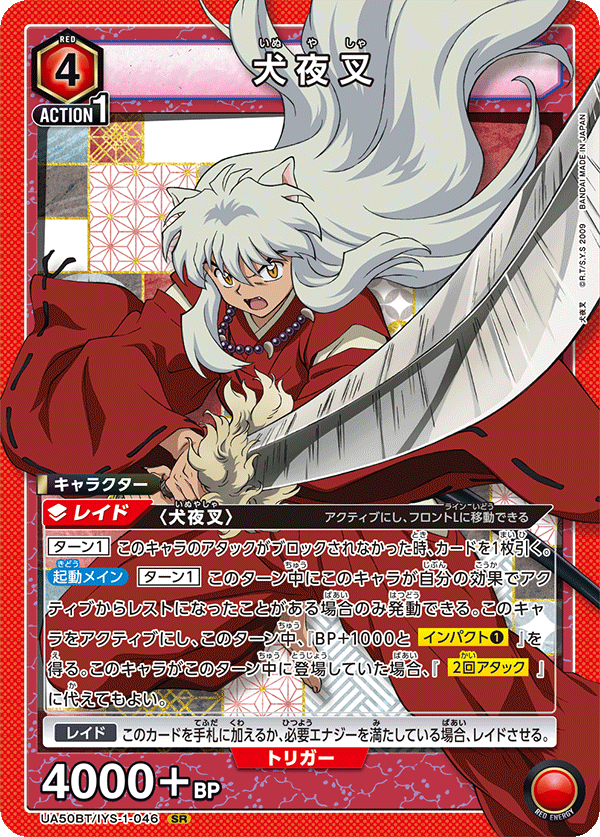 UA50BT-046UA50BT-046Shop on TCGplayer Full Demon InuYasha can enter play as an upgrade on the existing InuYasha. This is the win condition the deck is built around.
Critical rule: You cannot rush Jewel Shards by paying for them directly. They accumulate through game actions. The Counter Rush archetype maximizes the speed of accumulation by flooding low-cost characters. Control archetypes accept slower counter buildup in exchange for defensive tools.
Archetype 1: Counter Rush
Recommended for: Beginners and budget players. Lowest complexity of the three archetypes.
Core strategy: Play as many low-cost Jewel Shard characters as possible in turns 1-3. Each one adds a counter to your pool. By turn 3, Kagome can spend 2-3 counters for a draw burst or power boost that overwhelms the opponent's defense.
Key cards:
- Low-cost InuYasha crew characters (1-2 BP): Stack them fast
- Miroku (4x):
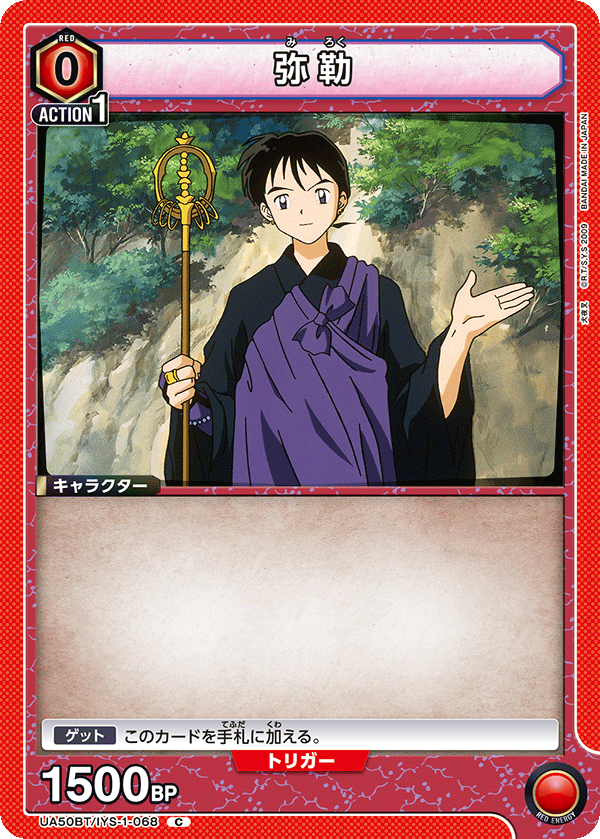 UA50BT-068UA50BT-068Shop on TCGplayer Miroku appears in the UA starter deck at 4 copies. He generates Jewel Shard counters efficiently and is budget-accessible
 - Kagome (Rare, $6-10): The engine. You need 3-4 copies. Without Kagome, the counter spend phase does not function
- Base InuYasha (Rare):
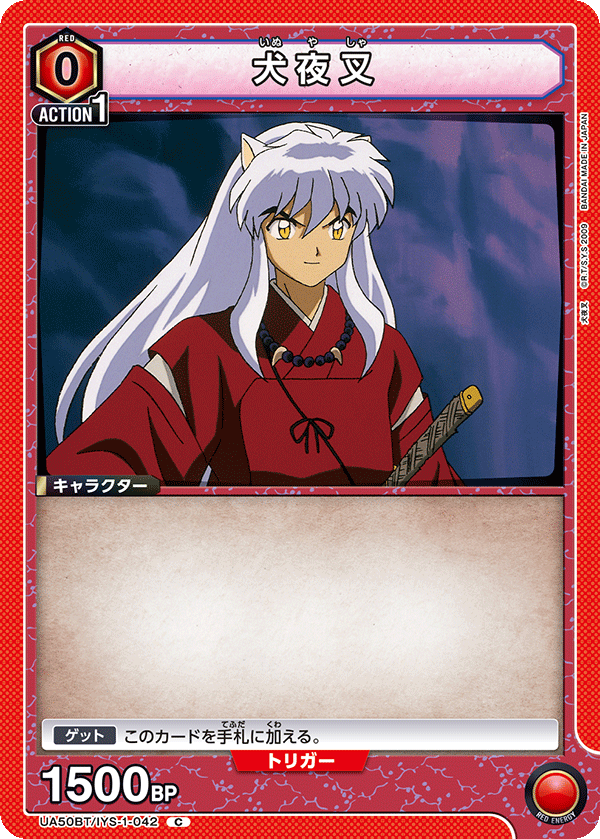 UA50BT-042UA50BT-042Shop on TCGplayer The counter accumulator. Runs 3-4 copies alongside Miroku
Turn pattern:
- Turn 1: 1-cost crew, add first Jewel Shard
- Turn 2: 2-cost character, second Jewel Shard
- Turn 3: Kagome enters. Spend 2 counters for draw boost. Attack for BP advantage
- Turn 4-5: If base InuYasha has 4 counters, Full Demon InuYasha activates. Close the game
Budget cost: $40-60. Miroku from the starter deck, budget Kagome copies, low-cost crew reprints. Full Demon InuYasha SR is not required for this archetype to function, though it is the ideal top end.
Weakness: Vulnerable to opponent removal on Kagome. If Kagome gets removed before you spend counters, the burst turn does not happen.
 Counter Rush archetype: low-cost Jewel Shard characters flood the board in turns 1-3, with Kagome spending counters for the burst swing.
Archetype 2: Sesshomaru Control
Recommended for: Experienced UA players. Harder to pilot than Counter Rush.
Core strategy: Accept a slower early game. Use Sesshomaru and Kikyo as high-cost defensive pieces while InuYasha builds counters in the background. Win by attrition rather than speed.
Key cards:
- Sesshomaru (high-cost):
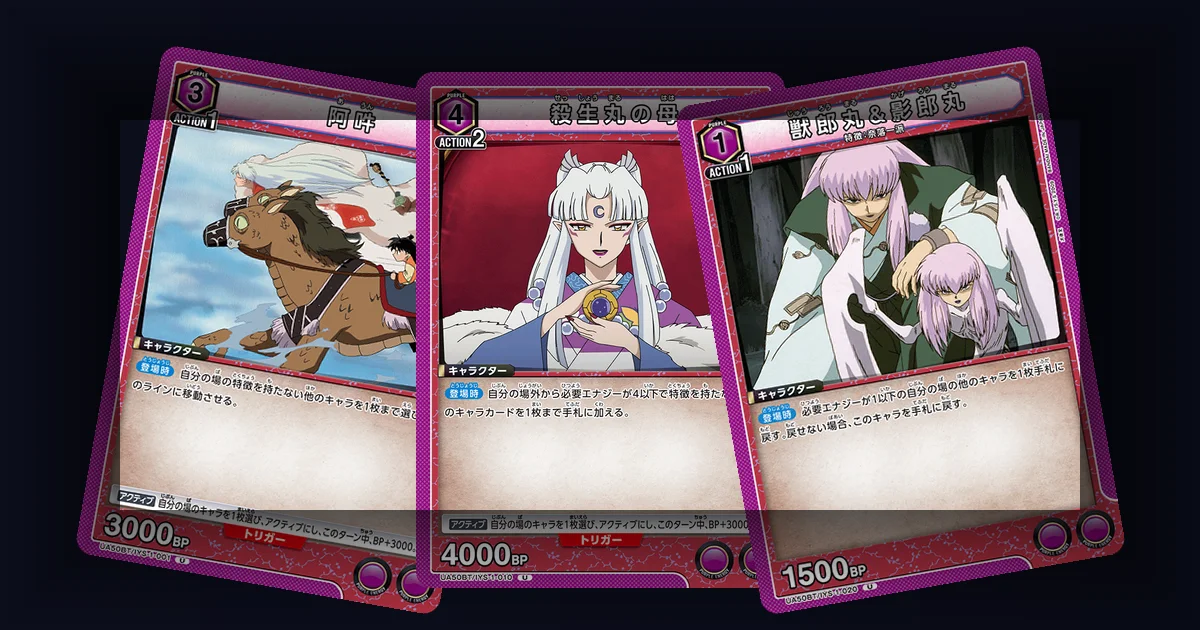
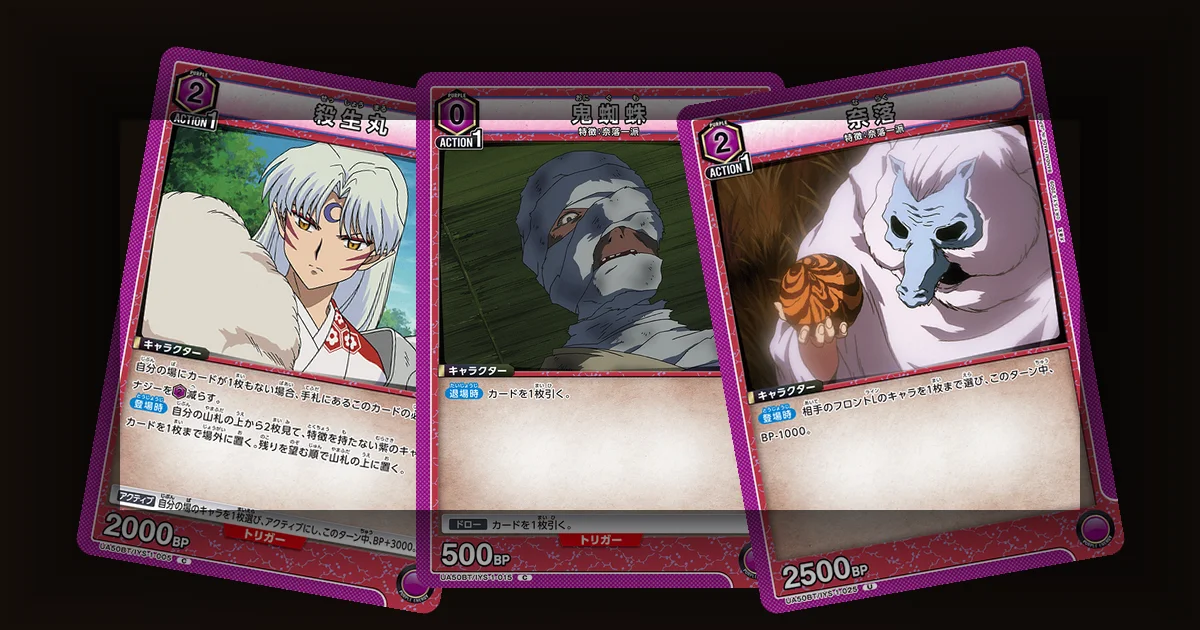
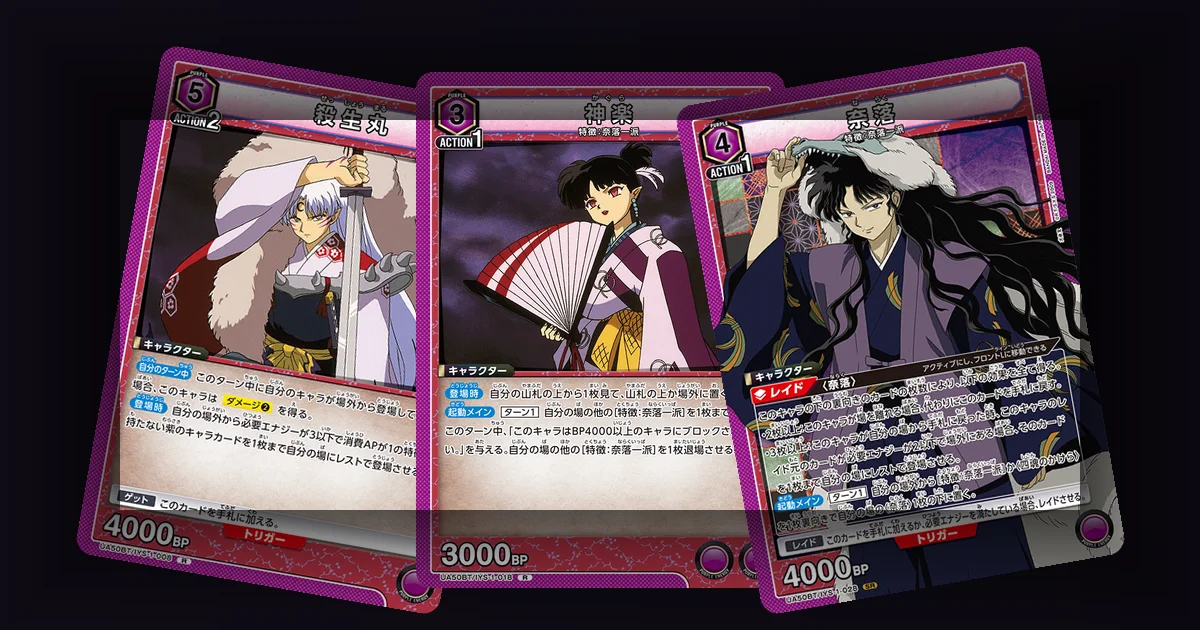
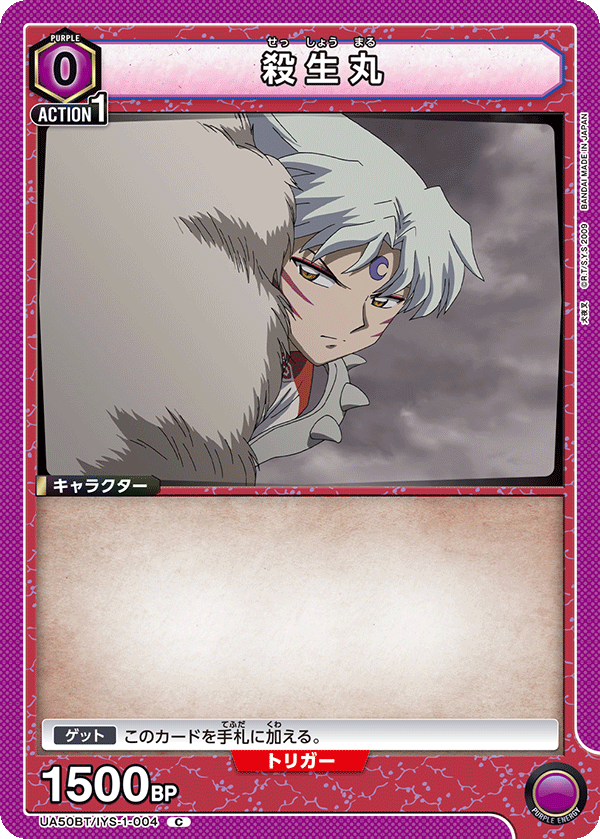 UA50BT-004UA50BT-004Shop on TCGplayer The defensive anchor. His power threshold denies opponent attacks. Runs 2-3 copies
 - Kikyo:
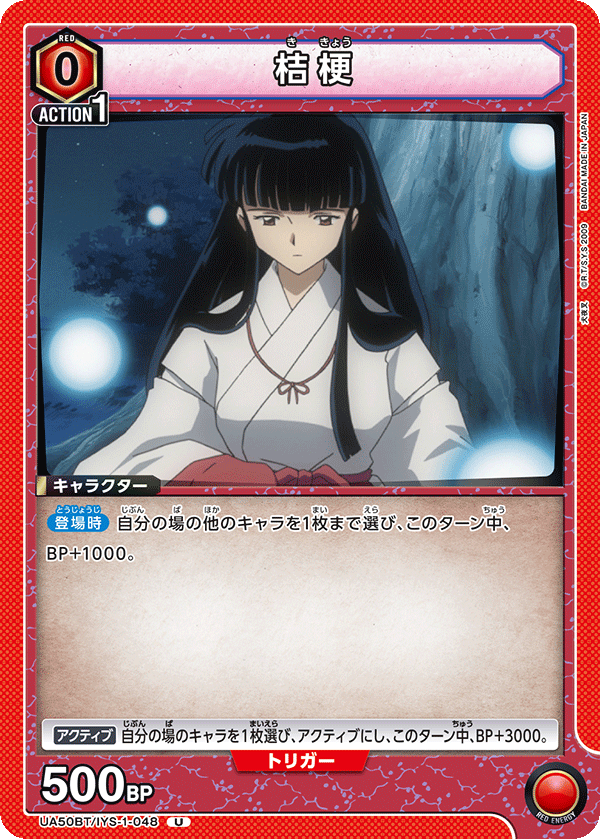 UA50BT-048UA50BT-048Shop on TCGplayer Provides a second high-power blocker. Thematically Kagome's past-life rival, mechanically a defensive complement
 - Naraku (1-2 copies):
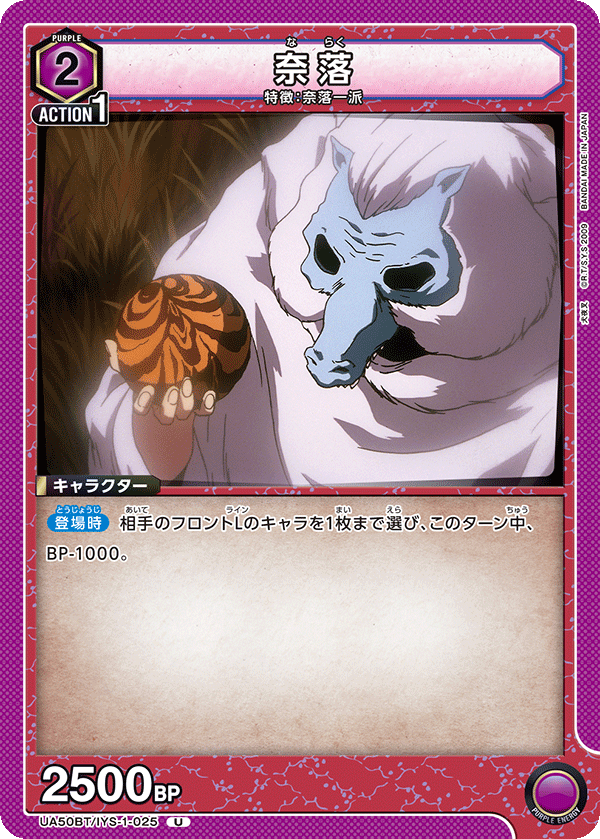 UA50BT-025UA50BT-025Shop on TCGplayer Disruption splash. Naraku's effect taxes the opponent's resources while you build up
 - Full Demon InuYasha SR: More important in this archetype as the singular win condition when the board stalls
Turn pattern:
- Turns 1-4: Defensive posture. Block attacks with Sesshomaru and Kikyo. Let InuYasha accumulate counters passively
- Turns 4-6: Kagome spends 3-4 counters for maximum effect. Full Demon InuYasha enters
- Turns 6-8: Sesshomaru plus Full Demon InuYasha is an unanswerable two-card combination
Budget cost: $90-140. Sesshomaru and Kikyo are higher-rarity pulls. Full Demon InuYasha is nearly mandatory in this build.
Weakness: Extremely slow opener. Faster decks (Bleach aggro, JJK technique chains) pressure you before Sesshomaru arrives. You must decide early whether to block or let Life cards flip.
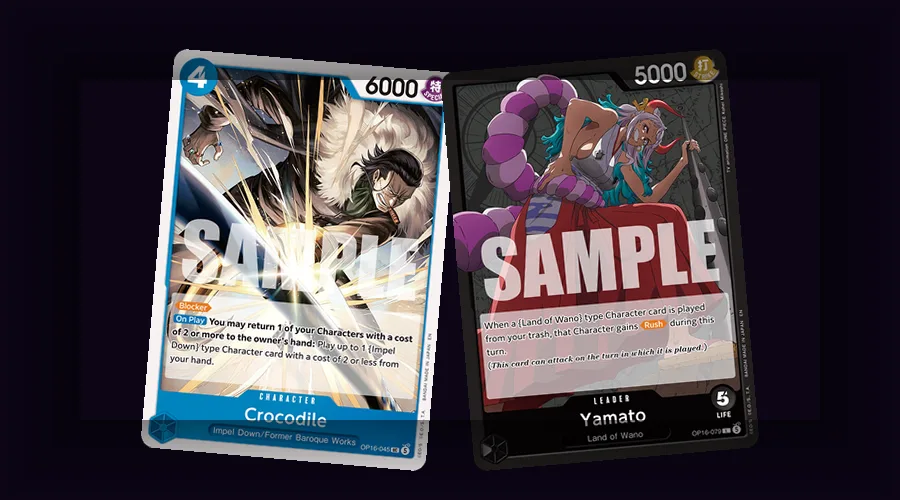 Sesshomaru Control archetype: high-cost Characters arrive in turns 4-6 after the counter engine is established, creating an unanswerable board state.
Archetype 3: Naraku Disruption
Recommended for: Players who enjoy denying the opponent's game plan.
Core strategy: Use Naraku's ability to disrupt the opponent's hand, remove their key pieces, or deny their own counter mechanics (valuable in UA mirror matches). InuYasha builds counters in the background while Naraku taxes every opponent action.
Key cards:
- Naraku: The deck's namesake piece. His effect likely costs BP or Action Points to use, so timing is critical
- Inuyasha/Kagome/Miroku: Same base engine as Counter Rush but run fewer copies to make room for Naraku support
- Disruption Event cards: UA event cards that disrupt opponent plays
Warning: This archetype has the least JP data supporting it. Counter Rush and Sesshomaru Control are the established builds. Naraku Disruption is theorycrafted from the available card descriptions. Test before investing.
Competitive Verdict
Early JP tournament results: InuYasha looks mid-tier, viable enough to win regionals but not the consensus best deck. Verify on Limitless as more data accrues after the EN launch.
EN meta shift: EN playerbase tends to favor aggro in the first weeks of a new IP release. If the EN community skews aggressive, Sesshomaru Control gains value. If EN mirrors Counter Rush, the deck-on-deck matchup data may shift.
Who should build InuYasha:
- Players who enjoy the anime (theme resonance matters for play enjoyment)
- Players who want a mid-tier deck with a clear skill ceiling
- Players looking for a less-played IP than Bleach or JJK in the early EN meta
Who should wait:
- Players who want the dominant deck: Wait for post-launch EN data before committing
- Players on tight budget: Counter Rush is affordable; Sesshomaru Control is not
Box EV and Pull Rates
Box contents (130-card set, JP data):
- Booster box: approximately 36 packs
- Full Demon InuYasha SR pull rate: roughly 1 per 2-3 boxes in JP
- Secondary SR cards (Sesshomaru, Kagome alternate art): 1 per box average
- Competitive Rare cards (Kagome, Miroku): 3-5 copies per box average
EN pricing projection:
- Box: $60-70 (street price, estimated 10-20% below JP market)
- Full Demon InuYasha SR: $30-50 EN (JP is $40-60; EN print volume slightly higher)
- Kagome (Rare): $6-10 EN
Box EV: Roughly neutral at JP street price. EN should be similar. Neither a strong value play nor a trap. Buy 1-2 boxes for the play experience; buy singles for competitive builds.
SHOP: Opening InuYasha boxes or hunting singles? Check current Union Arena prices on TCGPlayer. Shop TCGplayer →
Key Takeaways
- Union Arena InuYasha EN releases August 14, 2026 (community-reported date)
- Core mechanic: Jewel Shard counters accumulate and are spent through Kagome's Purification
- Three archetypes: Counter Rush (fast, budget), Sesshomaru Control (slow, expensive), Naraku Disruption (experimental)
- Full Demon InuYasha SR is the chase card at $40-60 JP price
- JP competitive standing: around mid-tier (early data)
- Budget entry with Counter Rush: $40-60 using starter deck Miroku as the base
GODEEPER: Already know InuYasha's release date and mechanics? The card value deep-dive covers exactly which singles to buy and avoid. Union Arena InuYasha Best Cards to Pull
Related Reading
-
Union Arena Beginner Mistakes: 8 Errors to Stop Making: Union Arena beginner mistakes.
-
Union Arena InuYasha: Everything We Know: Pre-release preview covering confirmed cards and mechanic details from JP release.
-
Union Arena InuYasha Best Cards to Pull: Card value rankings, pull rates, and box EV analysis for EN launch.
-
Union Arena TCG Beginner Guide 2026: Core Union Arena rules, turn structure, and how to start playing.
-
Union Arena Bleach Guide: Best Decks 2026: Another mid-tier IP comparison for players weighing which UA deck to build.
-
All Union Arena Sets: Complete EN Release Schedule: Full EN release calendar so you can plan what to buy and when.
-
Union Arena InuYasha English Release: What to Buy in 2026: box vs singles breakdown, best cards to target as singles, and where to pre-order for August 14.
-
Union Arena InuYasha Collector Guide: SR Rarity and Value: SR pull rates, voice-actor signed card pricing, and whether to buy boxes or singles as a collector.
-
Union Arena InuYasha Jewel Shard Mechanic Explained: How the set's signature counter mechanic works in every archetype, with timing rules and common misplays.
Frequently Asked Questions
Q: When does Union Arena InuYasha release in English? A: August 14, 2026 is the community-reported EN release date. Confirm on the official Union Arena EN product page before pre-ordering.
Q: How does the Jewel Shard mechanic work? A: Jewel Shard counters accumulate on your InuYasha characters through game actions. Kagome's Purification spends those counters for scaled effects. At 4 counters, Full Demon InuYasha can activate.
Q: What are the main deck archetypes? A: Counter Rush (flood counters fast, budget-friendly), Sesshomaru Control (high-cost attrition), and Naraku Disruption (opponent denial, experimental).
Q: Is the InuYasha deck competitive? A: Mid-tier competitive based on early JP results. Tournament-viable but not the dominant deck; verify as EN data forms.
Q: How much does a Union Arena InuYasha booster box cost? A: EN pricing estimated at $60-70 street price. JP boxes run $75-80.
Q: What is the Full Demon InuYasha card? A: The chase Special Rare in the set. Activates at maximum Jewel Shard counters (4). JP price $40-60, EN expected similar.
Q: Is InuYasha good for beginners? A: Moderate difficulty. Start with Counter Rush archetype for the lowest complexity entry point.
References
- Union Arena Official JP Site: Source for Japanese set information and card mechanics
- Union Arena InuYasha Everything We Know: Internal research from pre-release coverage
- r/UnionArenaCardGame: Community discussion and JP meta reports
- TCGPlayer Union Arena: Card pricing reference
- All Union Arena Sets EN Schedule: EN release calendar for planning purposes
Was this guide helpful?
Cards in this article
About the author

TCG Deck Analyst
Former card game tournament organiser turned analyst. Covers One Piece TCG meta, deck efficiency, and card valuation. Builds spreadsheets for decks most people just play.
- Regional TCG tournament organiser
- One Piece TCG meta specialist
- Competitive deck analysis
Disclaimer
This article is published for informational and entertainment purposes. It does not constitute professional financial, legal, or technical advice. Game performance, online services, patch schedules, and store listings change. Verify critical details (pricing, system requirements, regional availability) with publishers and storefronts before you buy. Affiliate links, where present, help support our editorial work and are labelled in our affiliate disclosure.