Loading…
Loading…
Shonen TCG · Guides
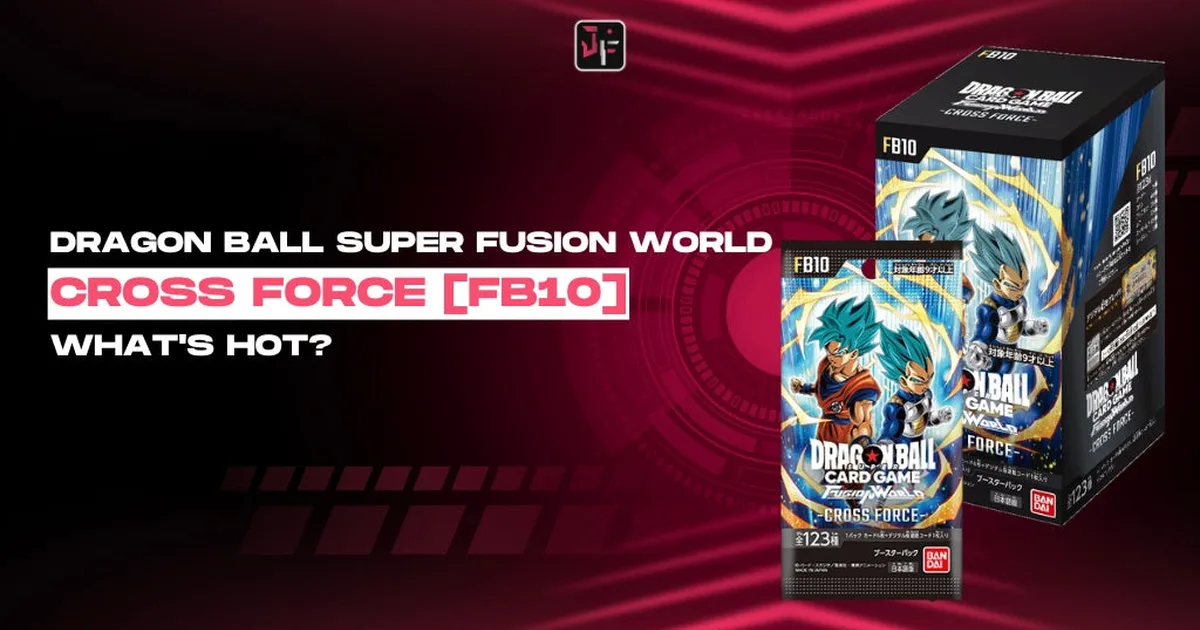
The Dragon Ball Fusion World Ki mechanic is the part of FB10 Cross Force that trips up new players most often. Ki accumulates passively, concentrates actively, and enables threshold effects that can flip a game state in a single Activate Main step. Gohan: Childhood's leader card runs this system harder than anything else in the current format, with a dual Awaken condition that lets him skip the damage requirement entirely if Ki generation cooperates.
TL;DR: Ki markers stack on Battle cards through play actions. An Activate Main skill lets you remove all Ki from the Battle Area and concentrate it on one card, triggering its threshold effects. Gohan: Childhood Awakens at 3 Life OR when 3 Ki accumulates in the Battle Area, whichever comes first. With the right opener, that Ki Awaken can happen turn 2-3 before you take meaningful damage. The key skill error is dumping Ki at the wrong time and resetting your threshold progress.
Ki markers are passive counters that build up on Battle cards during normal play. You concentrate them onto a single target using an Activate Main skill, and if that card meets its Ki threshold, the effect fires. Unlike Evolve, you don't pay a direct cost at the time of the effect. The cost is already embedded in the setup.
Ki markers accumulate on Battle cards during the course of a game. Specific cards and skills generate Ki as part of their text, and these markers sit on whichever Battle cards are in play until you choose to move them.
The core action is the Activate Main step. When you use a skill that says "remove all Ki from the Battle Area," every Ki marker on every card in play gets pulled off and concentrated onto a single designated card. That card then checks its current Ki count against its threshold requirements.
This is where threshold effects come in. A card with a threshold might say "if this card has 3 or more Ki, draw 2 cards" or "if this card has 5 or more Ki, KO target Battle card." The concentrated Ki determines which thresholds the card currently satisfies. If you've moved enough Ki onto it, the effect fires.
A few structural points that matter in practice:
Ki generation speed depends heavily on deckbuilding. Decks built around Ki leaders will run cards that generate extra Ki markers per turn, whereas decks running Ki cards as support pieces will see slower accumulation. For players new to Fusion World who want to understand the full game before committing to a Ki build, the Dragon Ball Fusion World beginner guide covers the energy system and starter deck options. The difference matters for how early you can realistically hit meaningful thresholds.
GODEEPER: Fusion World's other major upgrade path works through cost reduction rather than accumulation. Dragon Ball Fusion World Evolve Mechanic Explained →
 Ki counters accumulate on the Leader card throughout the game, unlocking powerful effects when thresholds are met.
1. Play cards that generate Ki markers during your normal turns. Specific cards and skills add Ki as part of their text, and every Battle card in play contributes to one shared pool across the Battle Area.
2. Decide which card you're concentrating Ki onto before you commit. Pick a specific target and a specific threshold you're trying to hit rather than reacting to whatever Ki total you happen to have.
3. Confirm the target card can survive until you use the effect. Concentrating Ki onto an exposed card creates a single point of failure. If the target is likely to be removed first, wait or pick a better-protected card.
4. Trigger the Activate Main skill to concentrate all Ki onto the target. Every Ki marker in the Battle Area pulls off simultaneously and stacks onto the one designated card, resetting every other card's Ki to zero.
5. Check the concentrated total against the card's threshold requirements. If the Ki count meets or exceeds the printed threshold, the effect fires immediately.
6. Start accumulating again from zero. Once you've concentrated, the Battle Area's Ki pool is empty, so plan your next few turns around building back toward your next meaningful threshold rather than cashing out small effects along the way.
Was this guide helpful?
About the author
Competitive TCG Analyst
Competitive One Piece TCG player and deck builder with 3 years of tournament experience. Covers meta analysis, tier lists, and leader builds.
Disclaimer
This article is published for informational and entertainment purposes. It does not constitute professional financial, legal, or technical advice. Game performance, online services, patch schedules, and store listings change. Verify critical details (pricing, system requirements, regional availability) with publishers and storefronts before you buy. Affiliate links, where present, help support our editorial work and are labelled in our affiliate disclosure.
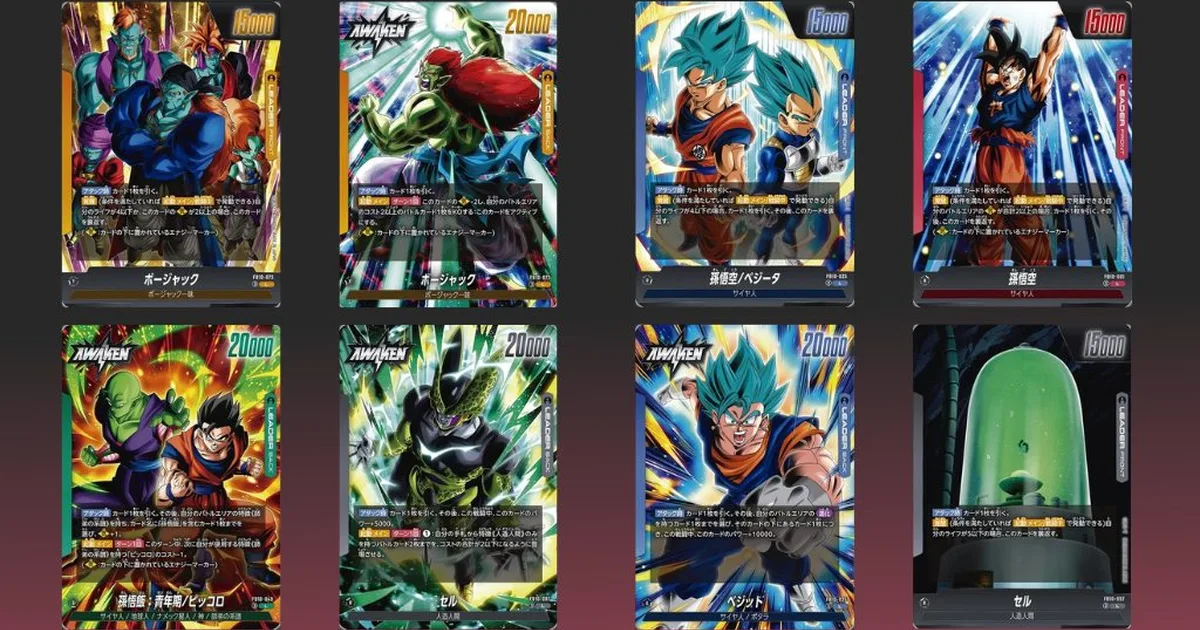
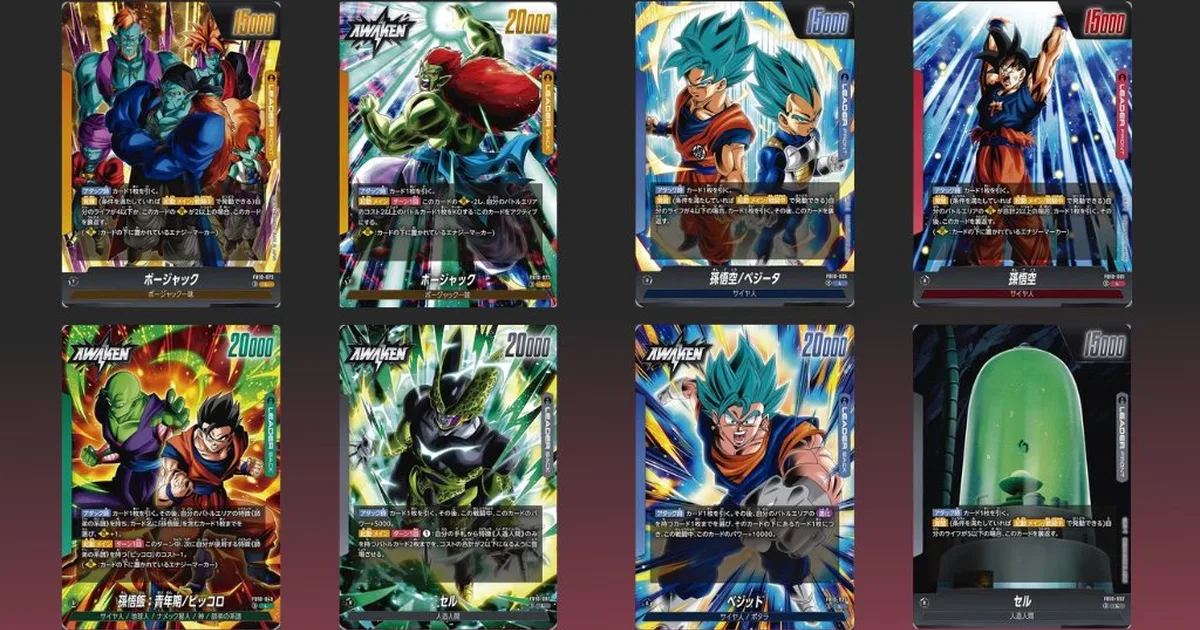
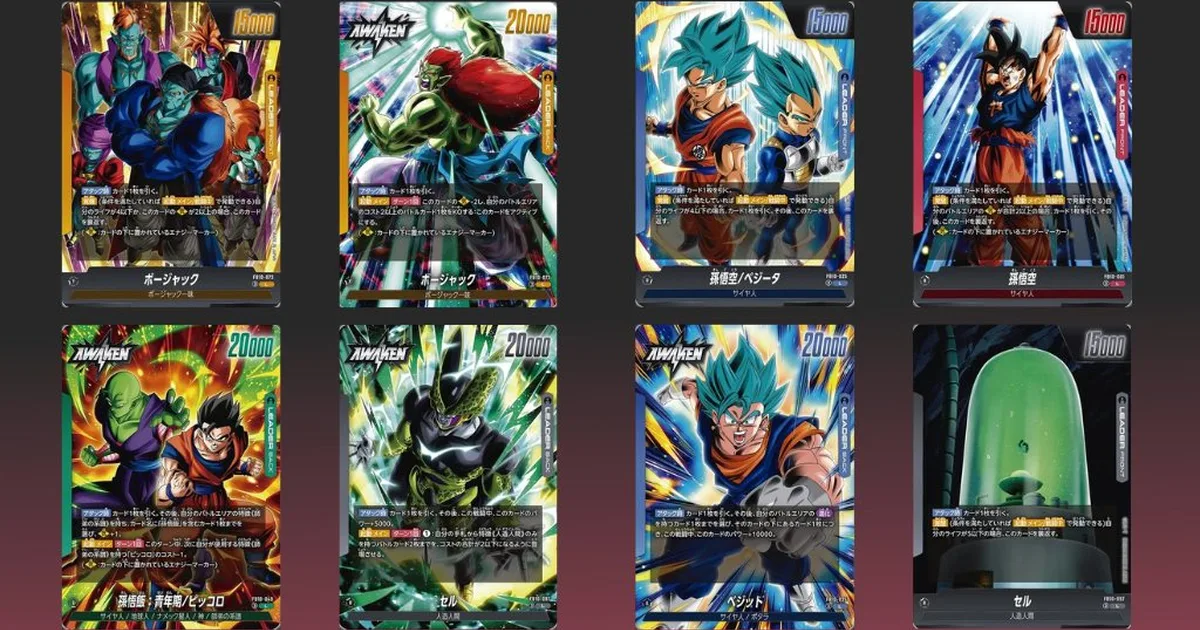
Son Gohan: Childhood is the Ki leader in FB10. His Awaken condition is what makes him strategically distinct from the other four leaders in the set.
Standard leaders Awaken by taking damage down to half their starting Life total. For most 8-Life leaders, that means reaching 4 Life. Gohan runs a different rule: he Awakens at 3 Life remaining OR when 3 total Ki accumulates in the Battle Area. Whichever condition is met first triggers the Awaken.
The damage condition is straightforward. The Ki condition is the one that changes how opponents have to play against him.
If your opening hand generates Ki-producing cards and you play them correctly, Gohan can hit 3 Ki in the Battle Area by turn 2 or turn 3. In a matchup where the opponent hasn't had time to set up their own board, that Awaken happens before you've taken significant damage. You're already in post-Awaken mode while they're still in setup.
Post-Awaken, Gohan gains his Master's Teachings trait. This reduces the cost of Piccolo cards you play, which feeds into the deck's mid-game plan. A Piccolo card that costs 4 Energy at baseline might drop to 2 or 3 after the Awaken, opening lines that weren't available before.
The counterplay to the Ki Awaken is disruption. If an opponent can remove your Battle cards with Ki on them before you hit 3, or use Activate effects that strip Ki from your Battle Area, they delay the Awaken. If you're comparing Dragon Ball Fusion World to other anime TCGs before committing, the Dragon Ball Fusion World vs One Piece TCG guide covers how Ki decks compare in complexity to OPTCG's mechanics. This is a legitimate line against Gohan, and it's one of the reasons high-disruption decks play better against him than aggro decks that just go under him.
A clean opener for the Ki Awaken path looks like this: drop Ki-generating cards on turns 1 and 2, reach 3 Ki in the Battle Area by your third turn before the opponent's disruption is online, Awaken, and start discounting Piccolo cards from turn 3 onward. You don't need to take a single point of damage.
GODEEPER: Gohan is one of five FB10 leaders, and understanding his position in the leader lineup shapes how you build and pilot against him. Dragon Ball Fusion World FB10 Leaders: All 5 Explained →
Both Ki and Evolve upgrade your board, but they work on different timelines and cost structures. Understanding the distinction is what lets you pick the right line in a given matchup.
Evolve works through direct cost reduction. You pay a reduced Evolve cost to place an evolved card on top of a base card. The energy you spent on the base card carries forward, so you're not starting over. Evolve effects trigger immediately when the evolution resolves. The full breakdown is in this site's Evolve mechanic guide (linked above). The short version: Evolve is an active, cost-based upgrade. You decide when to pay, you get the effect immediately, and you can chain multiple evolutions if you have the base cards in play.
Ki works through passive accumulation followed by a single active concentration. You're not paying at the moment of the effect. You're investing over multiple turns to set up one moment where the threshold fires. The cost is in card slots, in the actions you spend generating Ki, and in the vulnerability window while you're building.
The key structural difference: Evolve rewards having specific cards in hand and paying Energy at the right time. Ki rewards sustained setup and timing discipline.
Evolve decks tend to threaten earlier because the effect fires the turn you pay. Ki decks have a slower ramp but the concentrated threshold effects can be larger. A Ki threshold at 5 Ki can produce an effect that no single Evolve play would match, precisely because of the setup cost.
In the FB10 context: Vegito is the Evolve leader, Gohan is the Ki leader. The Dragon Ball Fusion World Vegito deck guide shows how Vegito's Evolve chain plays from the other side of this matchup. Their matchup tends to favor Gohan if Ki Awaken lands on curve, because the post-Awaken Piccolo discount creates card advantage Vegito doesn't have an immediate answer to. But if Vegito resolves key Evolve chains before Gohan stabilizes, the momentum flips.
Sequencing is where Ki decks separate good pilots from bad ones.
The wrong move, done repeatedly, is concentrating Ki too early. You hit 2 Ki in the Battle Area, see a threshold effect on a card, and pull the trigger. You concentrate the 2 Ki, the effect fires, but it's a minor effect that doesn't swing the game state. Now you've reset to zero Ki and your path to the next meaningful threshold is longer.
The right approach is patience with a clear plan. Before you concentrate Ki, you should know:
If any of those three questions don't have a clean answer, wait another turn.
The second sequencing error is leaving Ki spread across vulnerable cards. If your Ki is sitting on three different Battle cards and your opponent removes two of them with targeted removal, you've lost the progress. Concentration moves Ki to one card, which creates a different vulnerability (losing one card loses everything), but at least the threshold is reachable. Spreading Ki across fragile cards creates a situation where disruption costs you more than it should.
One practical rule: if you're running Gohan and the Ki condition is the Awaken path you're targeting, prioritize hitting 3 Ki before doing anything else. The Dragon Ball Fusion World best starter decks guide shows which starter option is the best entry into Ki-based play if you're just getting started. Don't concentrate partial Ki for small threshold effects when 3 Ki in the Battle Area means Awakening. The post-Awaken Piccolo discount is worth more than the intermediate threshold in most game states.
For non-Gohan Ki builds, the threshold decision is game-state dependent. Against aggro decks that are closing fast, you concentrate at 3-4 Ki to get a defensive effect online. Against slower Evolve builds, you can wait for 5+ Ki and fire a larger swing.
 The Ki stack creates a predictable power curve: each turn the Leader effect grows, rewarding players who develop efficiently.
Ki decks, specifically Gohan, have a favorable structure against Evolve in several conditions.
Ki decks win when: The Ki Awaken lands on curve (turn 2-3), the Piccolo discount generates card advantage the Evolve deck can't match immediately, and the game extends into the mid-game where multiple discounted Piccolo plays compound. The FB10 Cross Force set guide covers the full set context, but Gohan's post-Awaken value engine is the strongest sustained card advantage in the set.
Ki decks lose when: The opponent disrupts Ki generation early, concentrating before reaching meaningful thresholds, or removes Gohan's Battle cards before Ki accumulates to 3. Evolve builds with solid removal packages can interrupt the setup and force Gohan down the damage Awaken path instead, which is slower and puts him in a reactive position.
The Ki Awaken path also has a structural weakness against fast Evolve chains. If Vegito chains two or three Evolve plays in turns 2-4, the tempo generated by carry-forward energy can outpace Gohan's accumulation. Gohan needs his Ki generation to stay on schedule in those matchups, which means protecting Battle cards and sequencing plays to maximize Ki output per turn.
The matchup data from dragonball.gg shows mixed results across the community, but Gohan-specific variants built around maximizing Ki generation speed tend to outperform lists that treat Ki as an afterthought. The Dragon Ball Fusion World FB10 meta tier list tracks how Ki and Evolve leaders compare in post-launch competitive play. The difference is how many turns the deck needs to hit 3 Ki reliably. Lists that hit it on turn 2-3 consistently post better results against Evolve than lists that average turn 4-5.
For broader context on how Fusion World's leaders stack up across all five, the FB10 leaders guide (linked below) breaks down each one's game plan.
What are Ki markers in Dragon Ball Fusion World? Ki markers are counters that accumulate on Battle cards during play. Certain skills let you remove all Ki from the Battle Area and concentrate it onto a single card, enabling that card's Ki-based threshold effects to trigger.
How does Gohan's dual Awaken work in Fusion World? Son Gohan: Childhood Awakens under two conditions: when he reaches 3 Life remaining (standard damage path) OR when 3 total Ki accumulates in the Battle Area. Whichever condition triggers first causes the Awaken. With the right opener, that Ki Awaken can happen as early as turn 2-3 without taking damage.
Can Gohan Awaken before taking damage in Dragon Ball Fusion World? Yes. If your opening hand generates Ki fast enough to reach 3 Ki in the Battle Area, Gohan Awakens through the Ki condition without needing to take any damage at all. This is the primary reason the Ki Awaken path is stronger than it looks on paper.
What does Gohan's Master's Teachings trait do after Awakening? After Gohan Awakens, his Master's Teachings trait reduces the cost of Piccolo cards. This makes Piccolo-type cards cheaper to play and enables stronger board states in the mid-to-late game.
How is Ki different from Evolve in Dragon Ball Fusion World? Evolve requires paying a reduced Evolve cost to place an evolved card on top of a base card, carrying energy forward and triggering Evolve effects immediately. Ki builds passively through play actions, then concentrates onto one card via Activate Main to meet threshold effects. Evolve is active and cost-based; Ki is passive and timing-based.
When should you dump Ki onto a Battle card in Fusion World? Dump Ki when the threshold effect you unlock is immediately impactful, when the target card is protected or unlikely to be removed before you use it, and when you have enough Ki to meet the full threshold. Dumping prematurely resets your progress and wastes the setup.
Which FB10 leaders use the Ki mechanic? Son Gohan: Childhood is the primary Ki-focused leader in FB10 Cross Force. He is the only leader in FB10 with the dual Awaken condition tied to Ki accumulation.
Related
Best TCG Dice and Counters 2026: What You Actually Need
12 min read
Union Arena Bleach Ichigo Deck Guide: Purple Build 2026
8 min read
Best Deck Boxes for TCG Storage in 2026: Full Buying Guide
13 min read

Best TCG Playmats 2026: Stitched Edge Buying Guide
10 min read
Best TCG Binders and Portfolios 2026: Side-Load Guide
11 min read