Loading…


Shonen TCG · Guides
Dragon Ball Fusion World vs One Piece TCG: Which to Play
Dragon Ball Fusion World vs One Piece TCG: cost, complexity, and competitive depth compared. Which anime card game fits your playstyle and budget in 2026?
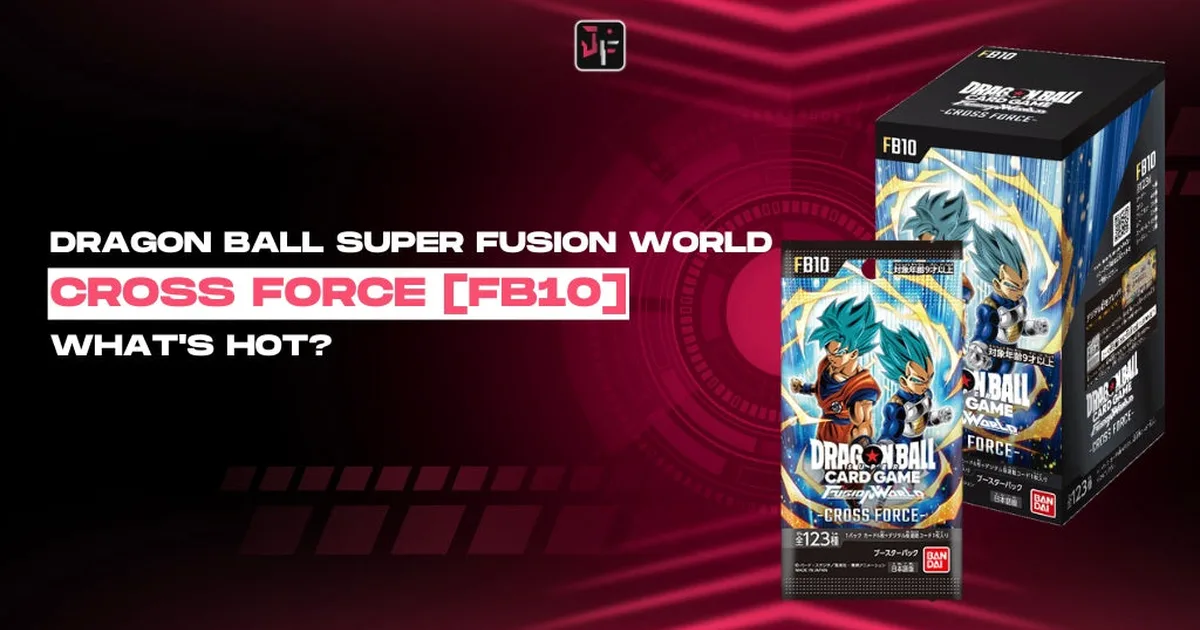
Dragon Ball Fusion World vs One Piece TCG is a comparison that trips up a lot of players, because these two games share more than a publisher.
Both were built from the same design blueprint: a Leader card, 50-card decks, Life cards that absorb damage, and a mid-game Awakening that flips your Leader to a stronger side. If you've played one and felt curious about the other, the gap is smaller than it looks. The real question is which game fits where you are right now as a player.TL;DR: Both games share core structural DNA (Leader + Life + Awaken) from the same publisher, Bandai. DBS Fusion World is simpler with 3 card types and cheaper singles (top SRs at $10 to $30). One Piece TCG is more complex with 5 card types and a deeper tournament scene, but top Manga Rares have climbed well over $1,000 each (OP-16's Admiral chase, volatile). New players and Dragon Ball fans should start with DBS; experienced TCG players wanting a rich competitive ecosystem will find more in OPTCG.
Dragon Ball Fusion World vs One Piece TCG: which should you play? (quick answer)
If you're newer to card games or prefer a lower buy-in, Dragon Ball Fusion World is the better starting point. It has 3 card types, structured color identities, and competitive singles that won't break the bank. If you want the most developed tournament scene in the anime TCG space and don't mind a steeper learning curve, One Piece TCG is the stronger long-term investment. Either way, you won't be learning two different games from scratch: you'll be learning one game and adjusting.
The shared DNA: why both games feel familiar
This is the angle most comparison guides skip. DBS Fusion World wasn't built in isolation. It launched in February 2024, roughly 18 months after One Piece TCG's Japanese debut, and Bandai carried over the structural core almost intact.
Both games use:
- A Leader card that starts the game active and flips mid-game via Awakening at half Life
- A 50-card deck (plus the Leader card)
- Life cards: damage to your Leader removes cards from your Life pile
- Turn structure: Draw, Resource (Charge in DBS, DON!! in OPTCG), Main Phase, Attack Phase
The differences are in the detail layers added on top. OPTCG added Events and Stages as dedicated card types with their own timing windows. DBS kept its card types to three (Leader, Battle, Extra) and made the Combo Power system the primary decision point in battles.
Players who cross over from one game to the other almost always say the same thing: the rhythm felt immediately recognizable, but the decision points shifted. In DBS, you're doing power math in combat: how much Combo Power do I add from hand to win this battle? In OPTCG, you're tracking DON!! assignments, Event timing, and potential Stage effects simultaneously.
Complexity and learning curve
DBS Fusion World's design is more deliberate in its complexity management. The Ki mechanic is one example where DBS rewards patient setup, covered in depth in the Dragon Ball Fusion World Ki mechanic guide. Each color has a mechanical identity that new players can hold onto:
- Red: aggro, direct pressure, fast Awakening
- Blue: Evolve chains, transforming Battle cards into stronger versions (covered in detail in the Dragon Ball Fusion World Evolve mechanic guide)
- Green: disruption, cost manipulation
- Yellow: hand advantage, value accumulation
This means a new player picking up a Red starter deck knows what they're trying to do before they play their first game. The Charge Phase (place 1 card face-down per turn as Energy) is simple enough that you make exactly one energy decision each turn.
OPTCG's DON!! system is more open-ended. You start with 10 DON!! cards that deplete and return, and each turn you decide which DON!! to attach (boosting a card permanently) versus which to keep active for cost payment. The One Piece TCG colors explained guide shows how each color's DON management approach differs, which is worth understanding before choosing a starting deck. That flexibility is where OPTCG gets its strategic depth, but it also means new players face more branching decisions before they know the meta well enough to evaluate them.
Learning timeline in practice: most new players get comfortable with DBS in 4 to 6 sessions. OPTCG typically takes 8 to 12 sessions before DON!! decisions feel intuitive. Neither is impenetrable, but DBS gets you to confident play faster.
GODEEPER: New to DBS Fusion World? The full beginner setup, color mechanics, and starter deck recommendations are all in one place. Dragon Ball Fusion World Beginner Guide →
Cost to play
This is the sharpest practical difference between the two games.
Dragon Ball Fusion World:
- Starter decks: $15 to $20
- Booster box (24 packs): $90 to $100
- Top chase Singles (SCR): $50 to $200
- Competitive playsets: most top SRs at $10 to $30 per copy
- Realistic competitive budget: $150 to $300 for a fully built meta deck
One Piece TCG:
- Starter decks: $15 to $25
- Booster box (24 packs): $100 to $130
- Top chase singles: Manga Rares well over $1,000 for OP-16's Admiral chase as of mid-2026 (volatile, launch-hype driven); SECs at $50 to $300
- Competitive playsets: functional meta decks can be built around $200 to $400, but some lists run a Manga Rare as a 4-of
- Realistic competitive budget: $200 to $600 depending on the meta deck
The booster box prices are comparable. The divergence happens at the top rarity tier. OPTCG's Manga Rare cards (introduced in OP-16 and later sets) function as competitive pieces in some lists, not just collector trophies. That ceiling creates a real cost gap for players who want to copy the top Regional lists exactly. Our OP-16 manga rare guide shows how these cards are priced and which ones affect competitive play.
If your goal is casual play or kitchen table games, both games cost roughly the same. If you're targeting Regional events, DBS is the more forgiving format to enter without a large single-card budget.
Tournament scene and community
One Piece TCG has the larger organized play structure by a clear margin. The OP Championship series runs Regionals across North America, Europe, and Asia with consistent prize support. Limitless TCG tracks competitive results weekly, giving players access to meta share data, top 8 decklists, and leader win rates. If you want to play in big-room events with bracketed Swiss rounds and Worlds at the end, OPTCG has that infrastructure built. Our One Piece TCG tournament guide explains how locals, Regionals, and Championship points work.
DBS Fusion World launched with strong local store support and Bandai US has run regional events, but the competitive structure is smaller. Fewer Regional-equivalent events, fewer publicly tracked competitive results. The community is active and growing, but if your goal is to travel to large events and compete for Championship points, you'll find more of that in OPTCG right now.
Local play is closer to even. Many stores that carry one Bandai TCG carry both. If your LGS runs a weekly DBS night, that community experience will be just as real as an OPTCG league. The gap opens up when you move to Regional-level competition.
GODEEPER: Wondering where to start with One Piece TCG? The full rules, DON!! system, and best starter picks are covered here. One Piece TCG Beginner Guide →
Art, IP, and collector appeal
Both franchises have 40-plus years of material to draw from, and both games lean into that depth. Dragon Ball Fusion World pulls from DBZ, DBS, Dragon Ball GT, and recent film entries like Dragon Ball Super: Broly. One Piece TCG covers the full 25-plus year manga and anime run, including characters from arcs as recent as Egghead.
For collectors, OPTCG currently has the higher ceiling in terms of card value and print rarity. Manga Rares and Secret Rares from popular sets have shown strong price retention. The One Piece collector market is more established, with clearer secondary market pricing.
DBS has strong chase cards (SCRs and SPs) with dedicated collector demand, but the market is younger and secondary prices are generally lower. That works in DBS's favor if you're a player-collector who wants your collection to hold value in relative terms without buying at peak hype prices.
For art quality, both games produce exceptional card art at their chase tiers. This is a matter of IP preference more than anything else.
Bandai isn't stopping at two single-IP anime TCGs either. The publisher revealed the Naruto Card Game in 2026 for a Summer 2027 launch, its third single-franchise trading card game alongside these two, built on the same Leader-driven, Life-Points-to-zero structure.
Which should you pick?
Here's the direct answer based on player type:
Pick Dragon Ball Fusion World if:
- You're new to TCGs or coming from a simpler card game
- You're a Dragon Ball fan first, card game player second
- Budget matters and you don't want to spend $300-plus on a single card
- You want to get to competitive-ready play faster
Pick One Piece TCG if:
- You've played other TCGs and want a game with more decision layers
- You're a One Piece fan who wants to see those characters in card form
- You want access to the largest anime TCG competitive ecosystem
- You're comfortable with a longer learning curve and higher ceiling cost
The honest version: most players who try both end up keeping both. The shared structural vocabulary means your second game takes a fraction of the time to learn. DBS makes a great entry point. OPTCG rewards the investment once you're comfortable. If budget is the primary constraint, start with DBS. If competitive depth is the priority, start with OPTCG. For a wider view across all anime TCGs in 2026, see our best anime TCG to play guide.
For a complete breakdown of the DBS competitive landscape, the Dragon Ball Fusion World Complete Guide 2026 covers set history, meta context, and deck-building foundations.
Key takeaways
- Dragon Ball Fusion World and One Piece TCG share the same structural core from Bandai: Leader + 50-card deck + Life cards + Awakening
- DBS uses 3 card types vs OPTCG's 5, making DBS easier to learn in 4 to 6 sessions compared to 8 to 12 for OPTCG
- DBS is cheaper to compete in: no singles above $200, top SRs at $10 to $30 each
- OPTCG has a significantly larger tournament infrastructure: Regionals, Worlds, Limitless TCG data
- DBS has 10 sets (FB01 to FB10) through June 2026; OPTCG has 16 main sets (OP-01 to OP-16) plus extras
- New players and Dragon Ball fans should start with DBS; experienced TCG players wanting deep competitive play should start with OPTCG
- Both games have strong collector appeal; OPTCG has the more established secondary market
Related Reading
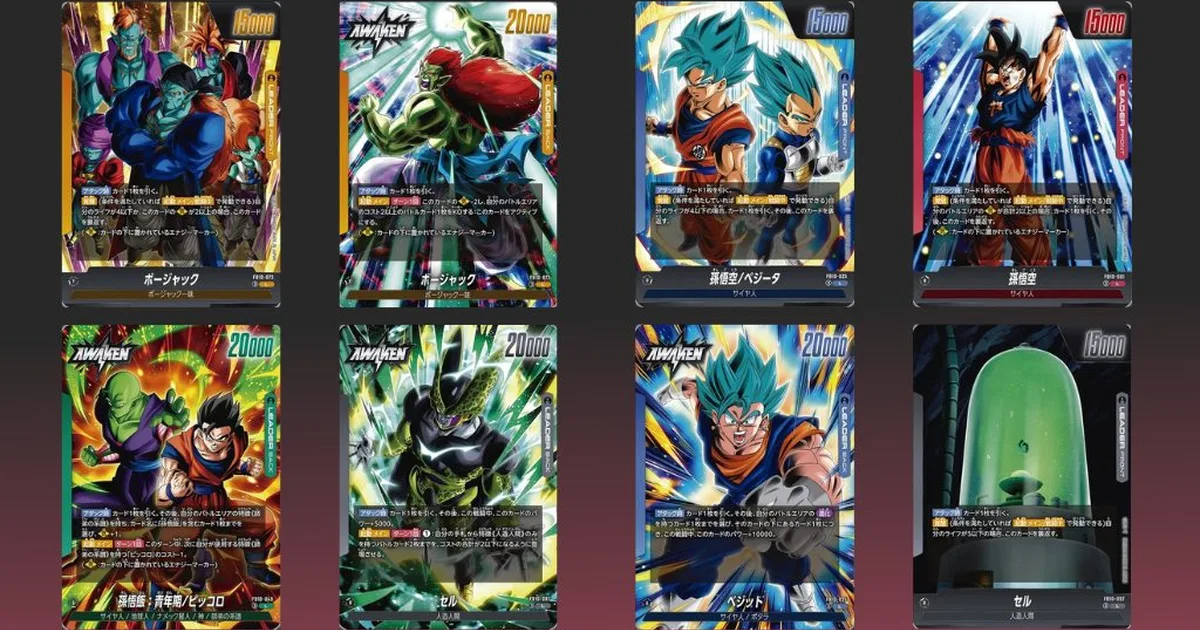
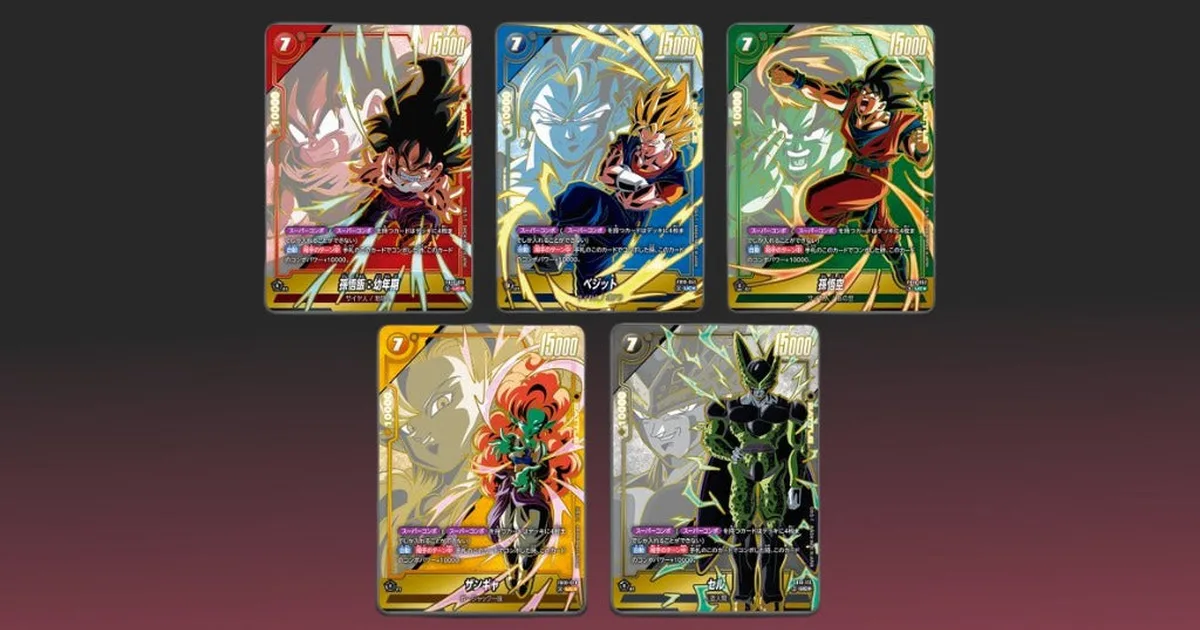
- Dragon Ball Fusion World FB10 tier list: where the current Cross Force leaders land competitively.
- OP-16 most expensive cards: the current price breakdown behind the Manga Rare chase discussed above.
- Union Arena vs Dragon Ball Super Card Game: how DBS stacks up against the multi-anime alternative too.
Frequently Asked Questions
Is Dragon Ball Fusion World or One Piece TCG better for beginners? Dragon Ball Fusion World is generally easier to learn. It uses only 3 card types (Leader, Battle, Extra) versus OPTCG's 5 types, and its color identities map cleanly to specific strategies: Red aggro, Blue Evolve, Green disruption, Yellow value. New players can grasp a full turn's decisions faster in DBS than in OPTCG, where DON!! attachment and Event timing add extra decision layers.
Which is cheaper to play competitively, DBS or One Piece TCG? Dragon Ball Fusion World is cheaper. Top competitive SRs typically sit at $10 to $30 each, and no single card is required at $400-plus. One Piece TCG's Manga Rare tier has spiked much higher, well over $1,000 for OP-16's chase Admirals as of mid-2026, though those prices are volatile and driven by launch hype. Budget-conscious players who want to compete without lottery-level singles costs will find DBS more accessible.
Do Dragon Ball Fusion World and One Piece TCG play similarly? Yes, more than most players expect. Both games share the same core structure: a 50-card deck plus 1 Leader, a Life card system, and a Leader Awakening that flips at half life. Bandai's design team built Fusion World with the same foundational DNA as OPTCG, just with fewer card types and a simplified energy system. Players who know one game will recognize the rhythm of the other within a few games.
Can I play both Dragon Ball Fusion World and One Piece TCG? Yes, and the learning curve for your second game will be noticeably shorter. The shared mechanical vocabulary (Leader, Life cards, Awaken, combat math) transfers directly. The main adjustment is learning OPTCG's DON!! attachment decisions if you come from DBS, or adapting to DBS's Combo Power system if you come from OPTCG.
Which has a bigger competitive scene, DBS or OPTCG? One Piece TCG has the larger competitive scene. It supports Regionals and a World Championship (OP Championship series), with Limitless TCG tracking detailed competitive data every week. Dragon Ball Fusion World has local events and some regional structure, but its tournament infrastructure is smaller and its competitive data is less publicly available.
Is Dragon Ball Fusion World worth playing in 2026? Yes. Fusion World reached its 10th set (FB10 Cross Force) in 2026 and has built a steady player base. It's the better pick for newer TCG players, Dragon Ball fans, and anyone who wants a competitive anime card game without committing to $300-plus chase singles. The game's structured color identities make deck building approachable, and Bandai's support for regional events is growing.
What is the main difference between DBS Fusion World and One Piece TCG? The clearest difference is complexity. DBS uses 3 card types and an energy system where you charge 1 card face-down per turn. OPTCG uses 5 card types (Leader, Character, Event, Stage, DON!!) and a DON!! system where you manage 10 energy across attachment and active uses each turn. Both games share structural DNA but OPTCG has more decision branches per turn.
References
About the author
AC
Multi-TCG analyst covering the competitive trading card game scene. Tournament coverage, format analysis, and cross-game comparison content.
- Covers multiple TCG formats
- Tournament reporter and analyst
- Cross-game format comparison specialist
- Active in OPTCG, Union Arena, and Lorcana communities

Disclaimer
This article is published for informational and entertainment purposes. It does not constitute professional financial, legal, or technical advice. Game performance, online services, patch schedules, and store listings change. Verify critical details (pricing, system requirements, regional availability) with publishers and storefronts before you buy. Affiliate links, where present, help support our editorial work and are labelled in our affiliate disclosure.