

Shonen TCG · Guides
Best Anime TCG to Play in 2026: 5 Games Ranked and Compared
Finding the best anime TCG to play in 2026 is less about naming one universal winner and more about matching a game to your time, budget, favorite series, and local scene.
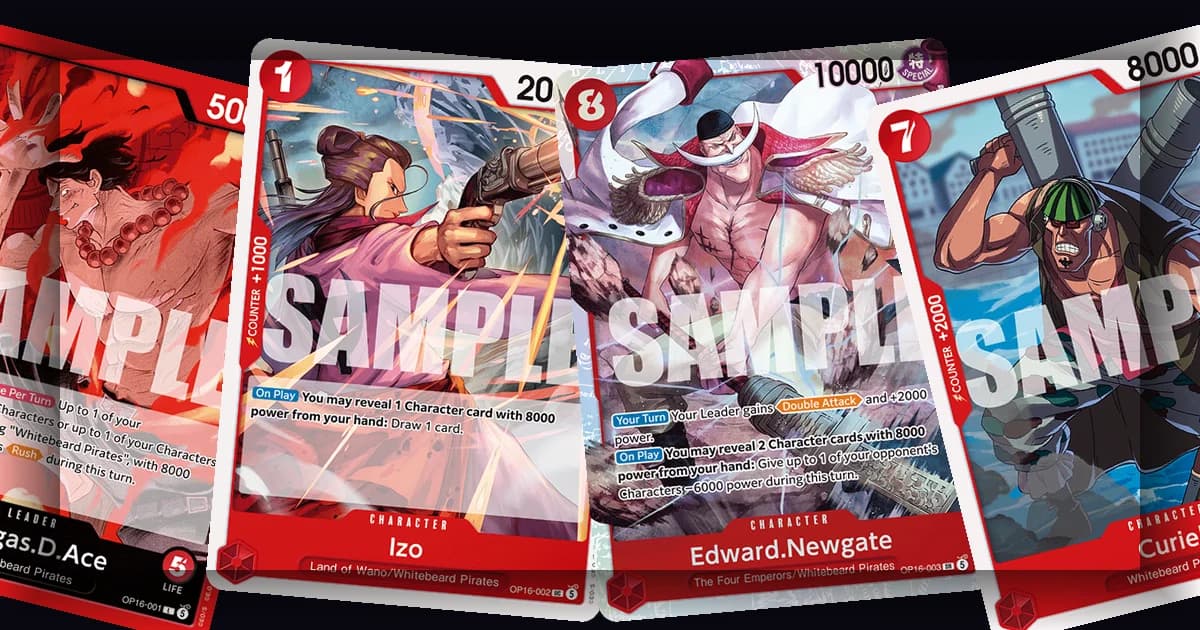
This comparison covers five games that have active products or organized-play resources in 2026: One Piece TCG, Union Arena, Dragon Ball Super Card Game Fusion World, Disney Lorcana, and Yu-Gi-Oh. The rankings are editorial recommendations, while event availability and card prices should always be checked for your region before you buy.
A sixth game is on the horizon but is not ranked yet: Bandai's Naruto Card Game is confirmed for a simultaneous global release in Summer 2027. It has not launched, so there is not enough released play data to compare it fairly with the five games below.
TL;DR: My picks are One Piece TCG for competitive depth, Union Arena for multi-IP variety, Lorcana for a gentle first step, Dragon Ball Fusion World for dedicated Dragon Ball fans, and Yu-Gi-Oh for players who want a mature, combo-heavy system. Check local events before making the final call.
Best anime TCG to play: the short version
One Piece TCG is my first recommendation for players who want a focused competitive game. Union Arena is the better fit for fans who want one rules engine across many anime franchises. Lorcana is the most approachable option for a family or a complete TCG newcomer. Dragon Ball Fusion World is a strong franchise-first choice, while Yu-Gi-Oh rewards players who are ready for a much deeper card pool and rules burden.
Key Takeaways
- One Piece TCG currently has a formal Championship 26-27 Finals and Regional path, including an invite route in North America and Europe.
- Union Arena's official site emphasizes a common rules game and lists many licensed titles plus Championship, festival, and store events.
- Dragon Ball Fusion World has a current Championship 26-27 schedule and Regionals Wave 2 listed on its official events page.
- Lorcana is not an anime TCG, but its official play resources include local play, prereleases, set championships, and multiple formats.
- Yu-Gi-Oh has the broadest official event menu in this comparison, from World Championship play to Regional Qualifiers and Official Tournament Stores.
- Do not treat the old dollar ranges in this article as fixed prices. Singles, sealed products, format legality, and shipping can move the entry cost quickly.
The Rankings
1. One Piece TCG: Best Overall for Competitive Play
Best for: Competitive players, One Piece fans, and players who want one focused system Worst for: Players who want multiple IPs or a very light rules commitment Cost note: Compare a current starter product with legal decklists and local singles listings
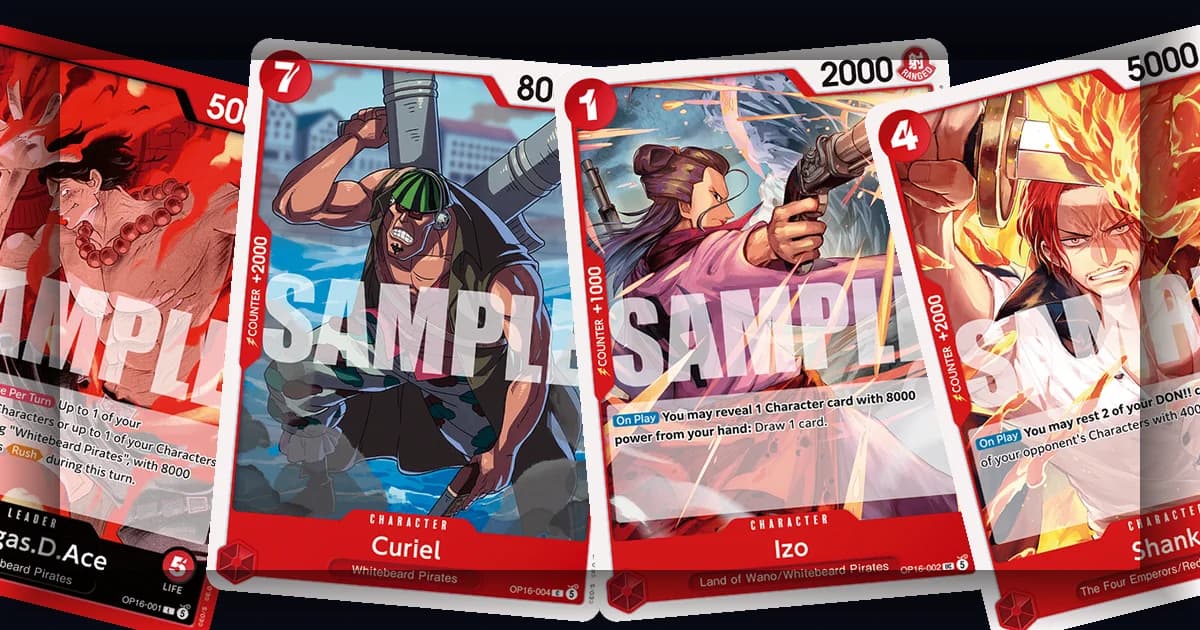
One Piece TCG is my top pick because its organized play has a clear competitive ladder. The current Championship 26-27 structure includes Regional events and Finals, and the official Finals information says that North American and European Finals invitations are earned through Regionals. That is a concrete path for players who want goals beyond weekly locals.
The DON!! system also gives the game a distinctive resource decision every turn. Collectors have strong reasons to stay interested in the card pool, including Manga Rare chase cards, although no rarity should be treated as a guaranteed investment.
The trade-off is focus. Every card, deck, and event is tied to One Piece. If the franchise does not appeal to you, a strong tournament structure will not make the game feel personal. Learn the rules at a local event first, then price a legal list instead of relying on a general build estimate.
2026 status: The official calendar is active for Championship 26-27 events and regional play. Competitive results and prices remain format-specific, so a tier snapshot from one week should not be presented as a permanent ranking.
2. Union Arena: Best Multi-IP Anime TCG
Best for: Fans of multiple anime franchises, collectors who follow licensed IPs, and players who want one shared rules engine Worst for: Players who only want one franchise or who need published attendance data for every event Cost note: Check the current title, starter, and singles market in your region
Union Arena's strongest idea is the common rules system. The official site describes it as a trading card game where you can use characters from different favorite titles while learning one rules set. Its current event and title pages list series such as Solo Leveling, BLEACH, Jujutsu Kaisen, Inuyasha, and newer additions, so the multi-IP pitch is not just a launch promise.
The official calendar also lists Championship 26-27, BANDAI CARD GAMES Fest events, store tournaments, and other battle events. That is enough organized play to make the game a serious option, but it does not justify claiming that every region has the same attendance or secondary-market depth. Use the official Union Arena events page to check your local schedule.
2026 status: Active and expanding. The title list and event calendar change frequently, which is the main attraction for players who enjoy moving between anime worlds.
3. Dragon Ball Super Card Game Fusion World: Best Franchise-First Pick
Best for: Dragon Ball fans, players who enjoy high-impact combat, and people who want both physical and digital play Worst for: Players who want the widest IP selection or who do not have a local Fusion World scene Cost note: Verify the legal format and current singles before buying a full list
Dragon Ball Fusion World is a good choice when the Dragon Ball identity matters more than having the biggest possible local scene. Bandai's official events page currently lists Championship 26-27, Regionals Wave 2, store tournaments, and BANDAI CARD GAMES Fest events. That gives the game a documented competitive route without requiring a claim about relative attendance.
The product line is also easy to understand for newcomers. The official FB10 page lists starter products, booster products, and a digital code in each FB10 pack, while the rules and card text provide a clear foundation for learning the energy and Awaken systems. The Dragon Ball Fusion World beginner guide is the better starting point if you want the rules before shopping.
2026 status: The official Championship calendar is live. Whether the game is the right buy still depends on finding regular opponents in your area.
GODEEPER: If you are choosing between One Piece and Union Arena, read Union Arena vs One Piece TCG before buying sealed product.
4. Lorcana: Best Newcomer Entry Point
Best for: Complete TCG newcomers, Disney fans, families, and casual players who want room to grow Worst for: Players who specifically want an anime IP or the most technical tournament environment Cost note: Starter products and competitive singles vary by set and region
Lorcana is not an anime TCG, but it belongs in this comparison because it competes for the same time and shelf space. Its official play page describes weekly play, prereleases, set championships, and multiple formats. That makes it a sensible first TCG for someone who wants a friendly on-ramp before trying a denser system.
The rules use ink as a resource and lore as the main route to victory. The official resources page lists a comprehensive rules document updated in July 2026, current tournament rules, and set championship documents, so newcomers can learn from the current rules rather than an old launch guide. Our Disney Lorcana beginner guide covers the first games in plain language.
The trade-off is identity. If your main motivation is playing anime characters, Disney art will not solve that problem. Choose Lorcana because you like its characters and play experience, not because a ranking calls it universally easier.
5. Yu-Gi-Oh: Established With the Highest Learning Burden
Best for: Existing Yu-Gi-Oh players, combo fans, and players who want a deep card pool Worst for: Brand-new players who want to learn through a short, simple rules explanation Cost note: Prices vary widely by format, rarity, reprints, and tournament goals
Yu-Gi-Oh remains the most demanding recommendation on this list for a new physical player. The reason is not a single price figure. It is the combination of a large card pool, long interaction chains, frequent format changes, and a rules history that rewards experience.
Konami's current event page lists World Championship play, Yu-Gi-Oh! Championship Series events, Regional Qualifiers, National Qualifiers, and Official Tournament Store events. That is a strong organized-play foundation. It also means new players should learn how the current format works before buying a deck from an old video or price guide.
For an existing player, the learning burden is an asset because the game keeps offering new interactions to master. For a first TCG, One Piece, Union Arena, or Lorcana will usually give you a shorter path from opening a starter product to playing a confident local game.
2026 status: The official calendar is active, with World Championship celebration events and additional Championship Series dates listed for the rest of the year.
How to choose the best anime TCG to play
The most useful question is not which game has the highest theoretical ceiling. Ask which game you can play next month with people who are actually nearby.
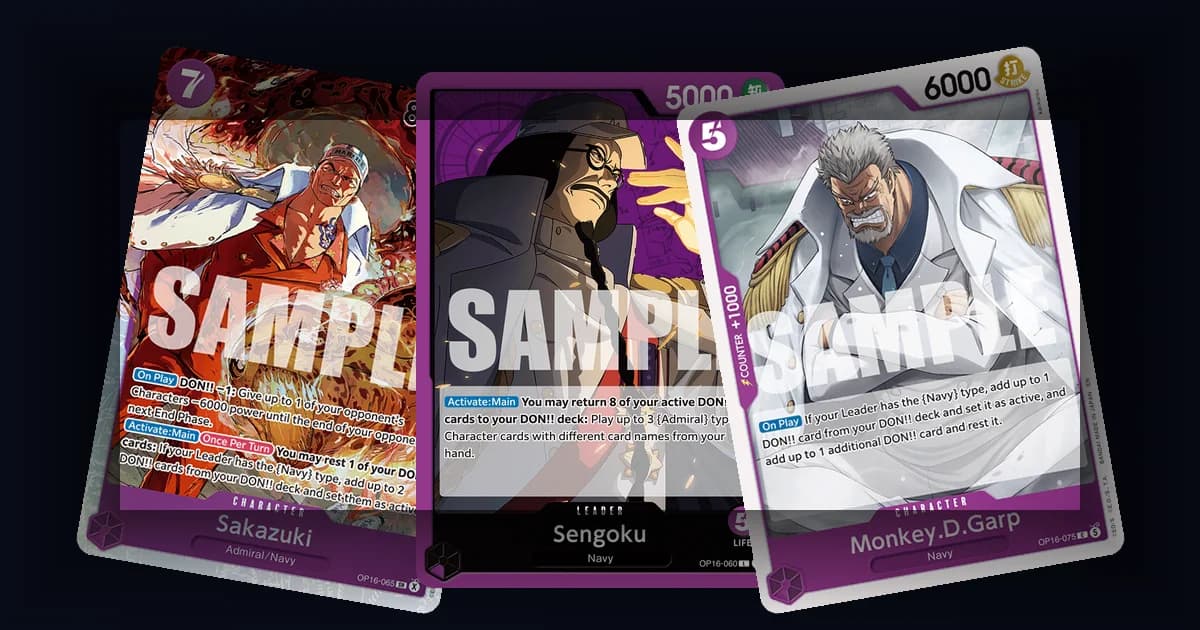
The person who starts One Piece TCG because they love the Paramount War arc may stay engaged through the learning curve because they care about cards such as Sakazuki 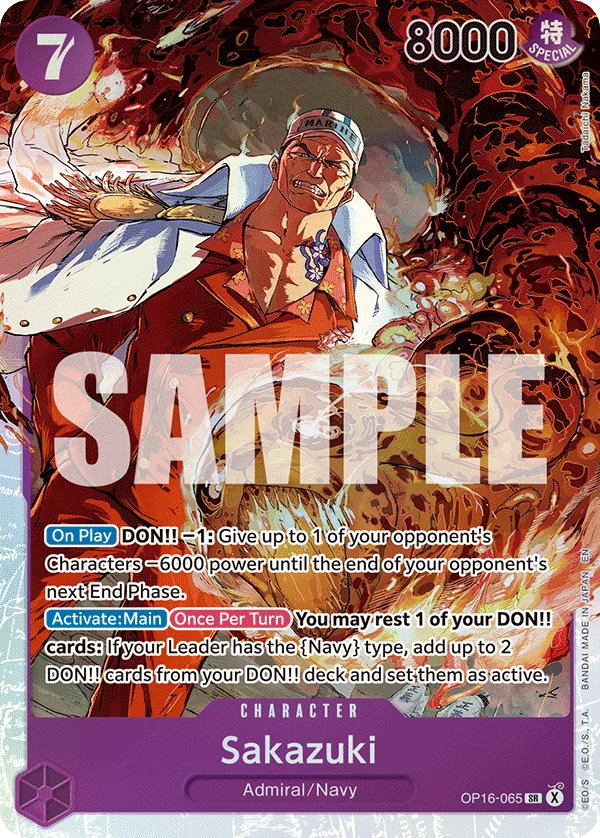 OP16-065OP16-065Shop on TCGplayer and Marco
 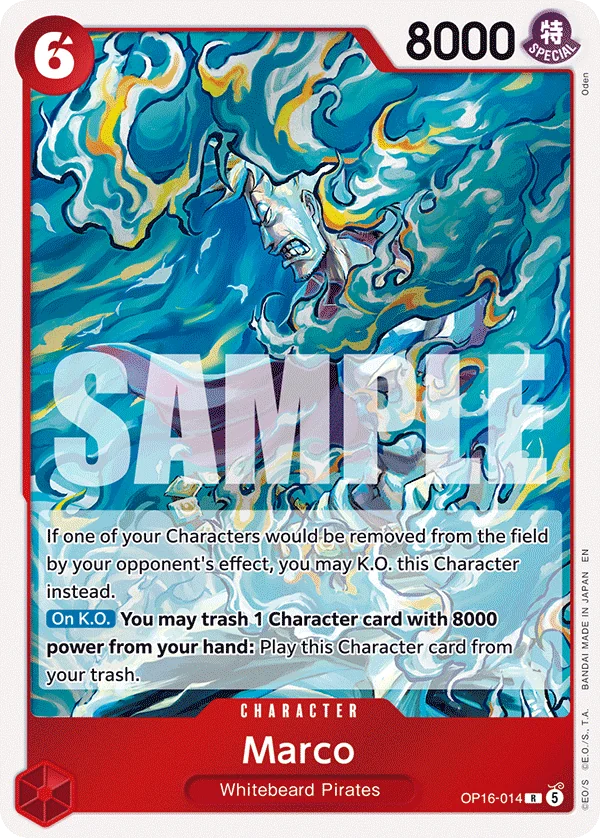 OP16-014OP16-014Shop on TCGplayer. A Union Arena player may stay for the ability to move from one licensed series to another without learning a completely new rules engine.
IP connection often outlasts a short-term tier list. Start with a game whose characters, art, and resource system you will still enjoy after the newest set stops being the headline.
If you have no strong franchise preference, use this order:
- Check the official event finder for stores within a realistic travel distance.
- Watch one current match or play a tutorial for the system that looks most natural to you.
- Buy one starter product or borrow a deck before buying singles for a full competitive list.
- Recheck format legality and local prices immediately before upgrading.
Cost and commitment across all five games
| Game | First question to answer | Commitment warning |
|---|---|---|
| One Piece TCG | Is there a weekly local scene? | A focused IP and format-specific singles market |
| Union Arena | Which titles does the local store support? | The title list and event calendar change often |
| Dragon Ball Fusion World | Can I find regular physical opponents? | Check current format and product legality |
| Lorcana | Do I want Disney art and a lore race? | Rotation and set rules still matter for competitive play |
| Yu-Gi-Oh | Am I ready for a large rules burden? | Decks and formats can change quickly |
There is no honest universal price table for these games. A starter MSRP, a local singles listing, and a tournament-ready deck can be very different numbers. Treat any fixed dollar range as a dated snapshot, not a promise.
SHOP: Choosing an anime TCG to buy into? Compare current One Piece Card Game listings alongside the other games in this guide. Shop TCGplayer →
Related Reading
- One Piece TCG Budget Competitive Guide 2026 Under $100: A focused way to approach a smaller OPTCG budget.
- Disney Lorcana vs Magic vs One Piece TCG: How Lorcana compares with two established card games.
- One Piece TCG Beginner Guide 2026: A first stop for learning OPTCG.
- Union Arena TCG Beginner Guide: A first stop for the multi-IP system.
- One Piece TCG vs Yu-Gi-Oh vs Pokemon: A comparison that includes Pokemon.
- Best One Piece TCG Decks for Beginners: Beginner deck choices for OPTCG.
Frequently Asked Questions
Is Pokemon a better anime TCG than the ones listed here? Pokemon is a major trading card game with an anime franchise, but this article focuses on games that are more directly marketed around anime or comparable pop-culture fandoms. If Pokemon is your favorite, its local event finder and current format rules should decide the comparison rather than a generic ranking.
Which anime TCG has the best resale value? None should be treated as a reliable investment. Card prices depend on print, condition, supply, demand, format legality, and timing. Check a current marketplace snapshot for the exact card and language you want instead of relying on a historical high.
Will more anime get their own TCGs soon? Naruto Card Game is the clearest confirmed example: Bandai's official site says it is arriving in Summer 2027 with a simultaneous global release. Union Arena also continues to maintain a broad licensed title list and active event calendar. Neither fact guarantees how large a future player base will become.
Can you mix cards from different anime TCGs in the same deck? No. Each game has its own card backs, deck construction, timing rules, and legal card pool. You can play several games, but each deck belongs to one rules system.
How important is finding a local community? It is one of the most important buying checks. A good tutorial cannot replace regular opponents. Use the official event finder for the game you are considering, then confirm that the listed store still runs events before spending on a competitive upgrade.
References
- Naruto Card Game official website
- One Piece Card Game Championship 26-27 Finals
- Union Arena North America events
- Union Arena North America home and title updates
- Dragon Ball Super Card Game Fusion World events
- Dragon Ball Fusion World FB10 product page
- Disney Lorcana organized play
- Disney Lorcana rules and resources
- Yu-Gi-Oh! events and championships
- Community survey data from /r/OnePieceTCG, /r/UnionArena, and /r/yugioh for player base estimates
Cards in this article
About the author
Pen name for the Shonen TCG desk's tournament coverage, format analysis and cross-game comparisons.
- Results taken from event pages and standings
- Other games checked against their own official rules
- Opinions marked as ours, with the reason
Keep reading
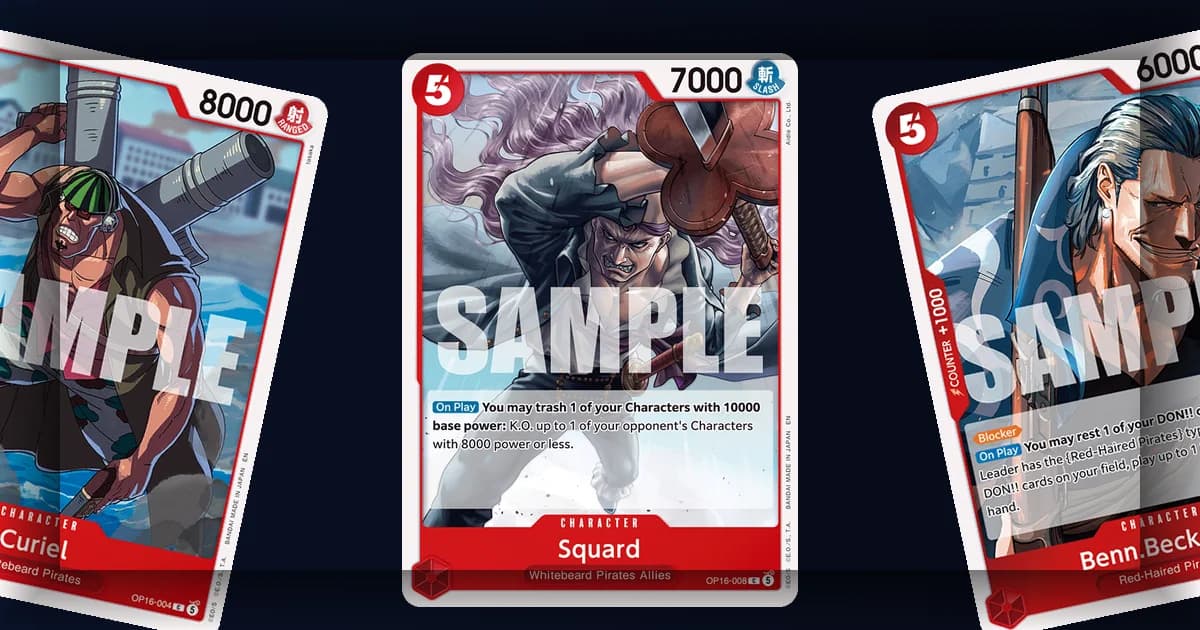
OP-16 Garp Deck Guide: Sengoku Navy Build and Meta
Guides · 11 min
OP-16 Akainu deck guide: Sakazuki in Sengoku Navy 2026
Guides · 10 min

All One Piece TCG Sets OP-01 to OP-17: Complete List (2026)
Guides · 13 min
OP-16 Pre-Launch Buying Guide: Post-Launch Update 2026
Guides · 11 min
One Piece TCG card rarities explained: C to Manga Rare
Guides · 12 min

OP-15 Meta Tier List 2026: Archived Format Snapshot
Guides · 9 min
OP-16 Red Law Decklist: No Leader, Rosinante's Key Piece
Guides · 14 min
One Piece TCG vs Yu-Gi-Oh vs Pokemon: Which Anime TCG
Guides · 13 min
Disclaimer
This article is published for informational and entertainment purposes. It does not constitute professional financial, legal, or technical advice. Game performance, online services, patch schedules, and store listings change. Verify critical details (pricing, system requirements, regional availability) with publishers and storefronts before you buy. Affiliate links, where present, help support our editorial work and are labelled in our affiliate disclosure.