Loading…
Loading…
Shonen TCG · Guides
Reviewing
Disney Lorcana
The Disney Lorcana Amber Emerald Aggro deck is a current Elinor-based Core Constructed shell, but its latest numbers are lower than the August snapshot. InkDecks' September 15 report lists Amber Emerald Elinor at 14% metashare, a 53% win rate, and Tier 1. The deck's name comes from Elinor - Renowned Diplomat (86/204 EN 12), a Super Rare from Wilds Unknown. Her Coordinated Efforts ability triggers at the end of your turn when you have at least three exerted characters, then deals 1 damage to a chosen opposing character, gains 1 lore, and draws a card. That payoff rewards a wide board, but the list still wins by sequencing cheap questers and tempo tools rather than relying on one card.
This deck puts several low-cost characters into play, quests before the opponent can establish a stable board, and uses Emerald interaction to preserve the lore lead. It is a proactive strategy with a current Tier 1 result, not a guaranteed turn-count combo.
TL;DR: Amber Emerald Elinor is a Tier 1 Core choice at 14% metashare and a 53% win rate in InkDecks' September 15 snapshot. Develop a wide board, quest early, and use bounce or other tempo effects when an opposing stabilizer threatens to erase your lead. The pairing is fast, but current analysis still places it behind the very fastest Amber/Amethyst tempo shells.
This go-wide, lore-racing strategy floods the board with low-cost Amber characters, quests as many of them as possible each turn, and uses Emerald disruption to answer opposing threats before they can stabilize. The goal is 20 lore before the opponent establishes control.
The September 15 InkDecks snapshot for Attack of the Vine Core lists Amber Amethyst Midrange at 19% metashare and a 56% win rate, Amber Emerald Elinor at 14% and 53%, Amber Ruby Boost at 8%, Amber Emerald Songs at 7%, and Emerald Steel Detectives at 5%. InkDecks labels the Elinor shell Tier 1, so it is a real competitive option, but the numbers do not support calling it the format leader. For background on Core Constructed and the next rotation, see our Core vs Infinity format guide.
The go-wide plan is especially useful against Evasive-style opponents. The official rules define Evasive as a limiter that prevents a character from being challenged except by another character with Evasive. If the opponent spends resources protecting that board instead of questing, the wide curve can win the lore race; if they ignore your board, your early questers keep accumulating value.
Wilds Unknown supplied the Elinor anchor, while Attack of the Vine is now part of the current card pool. For the full set guide covering Wilds Unknown, see the Disney Lorcana Wilds Unknown Set Guide. Amber provides the low-cost questing base, and Emerald contributes bounce, disruption, and card-advantage options. Together they create pressure without giving up every route to a longer game.
Control and Steel-based challenger decks remain real problems because the shell has thin interaction and many low-willpower bodies. Current TCG Contender analysis describes the pairing as a strong lore engine with limited ability to answer a wide opposing board, so the matchup plan is about preserving tempo rather than trying to trade one-for-one forever.
GODEEPER: The broader post-rotation Core breakdown and current archetype snapshot. Disney Lorcana Wilds Unknown Best Decks Meta Guide →
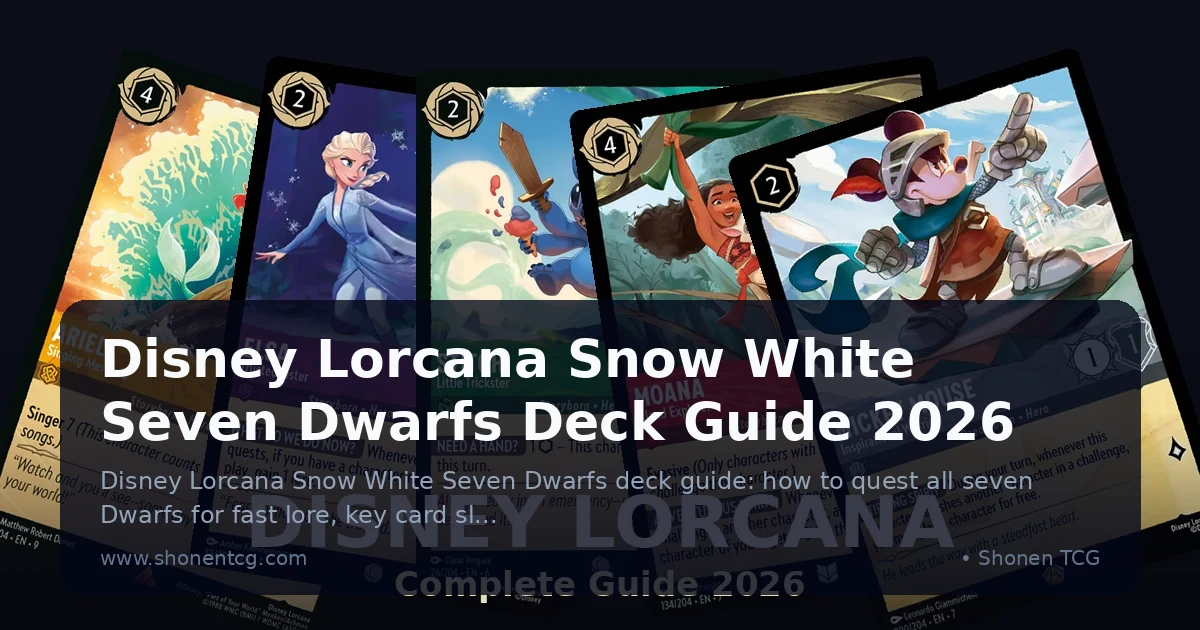
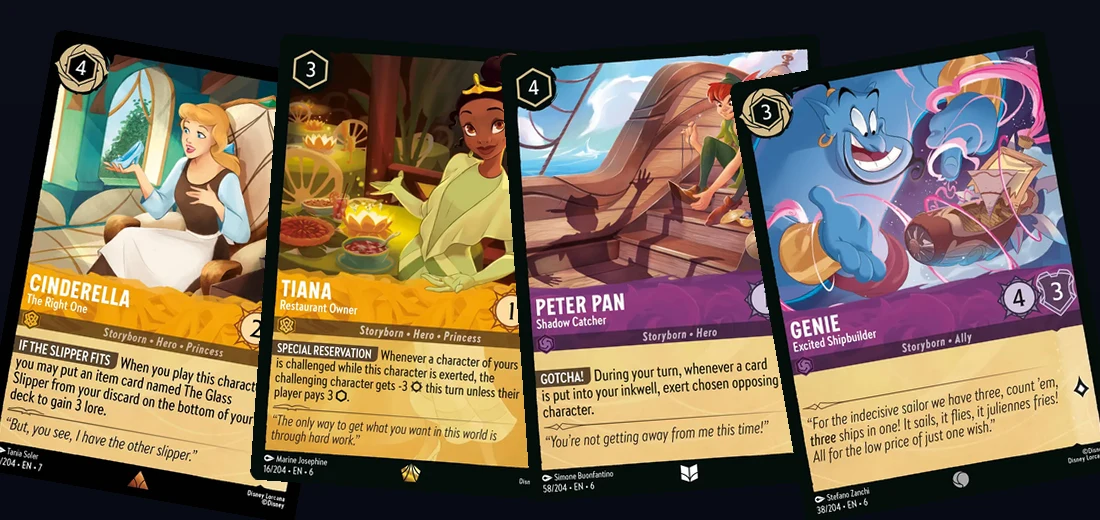 This collage shows Cinderella, Tiana, Peter Pan, and Genie cards from the broader Lorcana card pool; use current decklists to confirm which versions belong in a legal Core build.
Was this guide helpful?
About the author
Multi-TCG analyst covering the competitive trading card game scene. Tournament coverage, format analysis, and cross-game comparison content.
Disclaimer
This article is published for informational and entertainment purposes. It does not constitute professional financial, legal, or technical advice. Game performance, online services, patch schedules, and store listings change. Verify critical details (pricing, system requirements, regional availability) with publishers and storefronts before you buy. Affiliate links, where present, help support our editorial work and are labelled in our affiliate disclosure.
The deck must contain at least 60 cards and no more than two ink types in Core Constructed. This is a shell guide rather than a locked 60-card list, so use the current event lists to choose exact versions and quantities.
Low-cost questing base: Prioritize cheap characters that can quest before the opponent stabilizes. Current competitive lists use redundant low-cost bodies so a single removal spell does not end the pressure. Keep the curve low enough that you can develop and still hold an interaction card.
Elinor and consistency: Elinor - Renowned Diplomat is the named anchor in current Emerald/Amber data. Her end-of-turn trigger rewards three or more exerted characters with damage, lore, and a card, so she is strongest after the board is already wide rather than as an isolated four-cost play.
Emerald tempo package: Current TCG Contender analysis highlights Ursula - Deceiver and Dale - Ready for His Shot as disruption pieces that let the deck keep questing while slowing the opposing board. Treat bounce as a tempo tool, not automatic removal: returning a cheap card to hand may help the opponent replay it.
Support and protection: Grandmother Willow - Ancient Advisor, Aurora - Holding Court, David - Protective Snowboarder, Nani - Stage Manager, and Mike Wazowski - Heroic Climber all appear among the current comparison page's key cards. Their exact roles depend on the list, but they support consistency, board presence, or continued questing.
Songs and actions: Songs are alternative-cost actions that can be played by exerting characters with enough total ink cost. Include them only when the list has enough singers and the effect advances the plan; a hand full of expensive actions can otherwise stop the early curve.
SHOP: Building this list? Check current Disney Lorcana singles prices for the disruption package. Shop TCGplayer →
For current lists, the InkDecks Emerald Amber Core page currently shows 4,598 published decklists across Elinor, Songs, Toys, and other shells, with event finishes and card counts. For a comparison of the Amber/Amethyst approach, the Amber Amethyst Evasive deck guide covers why that strategy invests in board protection instead of racing.
1. Open with your cheapest characters. Play the lowest-cost characters that let you curve into another body or hold interaction. Do not keep an opening hand that only becomes active after the opponent has already developed a board.
2. Make the turn 3 call. Decide whether a third body or an interaction spell creates more pressure. A wide board is valuable, but playing into a likely answer can be worse than keeping a tempo card for the opponent's next turn. Check the opposing exerted characters, hand size, and available ink before committing.
3. Time bounce effects around the first stabilizer. Return the opposing character that is about to erase your lore lead or generate more value than you can answer. Do not spend the effect merely because a target is available. In many games, waiting until the opponent has exerted a key character creates a better opening for your next quest.
4. Protect the lead after the early curve. If the opponent is approaching a board reset, keep questing with your existing characters instead of filling the board without a reason. Add replacements only when the extra lore or a triggered effect is worth exposing another body.
5. Punish inefficient challenges. When an opponent spends a turn challenging one small character while two others remain ready to quest, keep building the lore total instead of automatically trading back. Challenge only when the target has a snowballing ability or when removing it changes the race.
vs Evasive-style decks (race-focused): Do not spend a turn trying to challenge an Evasive character unless you have an Evasive attacker. Quest with your early bodies and make the opponent choose between answering the board and keeping up on lore. If they use several resources to protect their evasive threats, the low curve has more room to pull ahead.
vs control and Steel-based challengers (unfavorable): This is the hardest class of matchup because broad answers and efficient challenges punish a board made of small characters. Establish a lore lead before the opponent's six-ink turns, but do not empty your hand into a known reset. Keep one or two threats back when the board is already winning and use bounce on the card that generates the most immediate value.
vs the Elinor mirror: The mirror comes down to who has the better disruption timing. Both players want to quest and use Emerald bounce effects. The player who bounces first puts the other on the back foot. In the mirror, holding one disruption spell for a key moment is often more valuable than questing for one additional lore. The player who floods the board slightly faster usually wins.
vs Sapphire Ruby Maui control: The current TCG Contender page labels this as a Tier 4 Core control shell built around Maui - Half-Shark, Olaf - Snowman of Action, and action-based card selection. It is a secondary matchup rather than one of InkDecks' September top five. Quest early, force it to spend selection and bounce before it can establish its slower win condition, and do not assume a six-percent metashare figure still applies.
GODEEPER: Amber and Emerald ink profiles, their core mechanics, and the other current archetypes that use them. Disney Lorcana Ink Colors Explained →
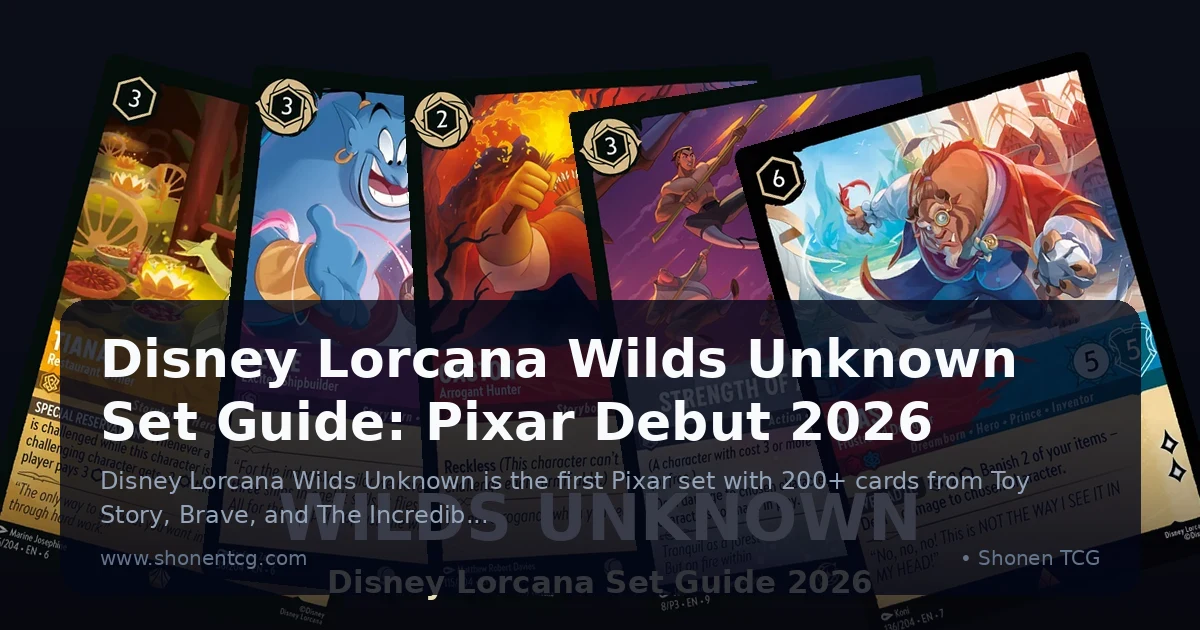
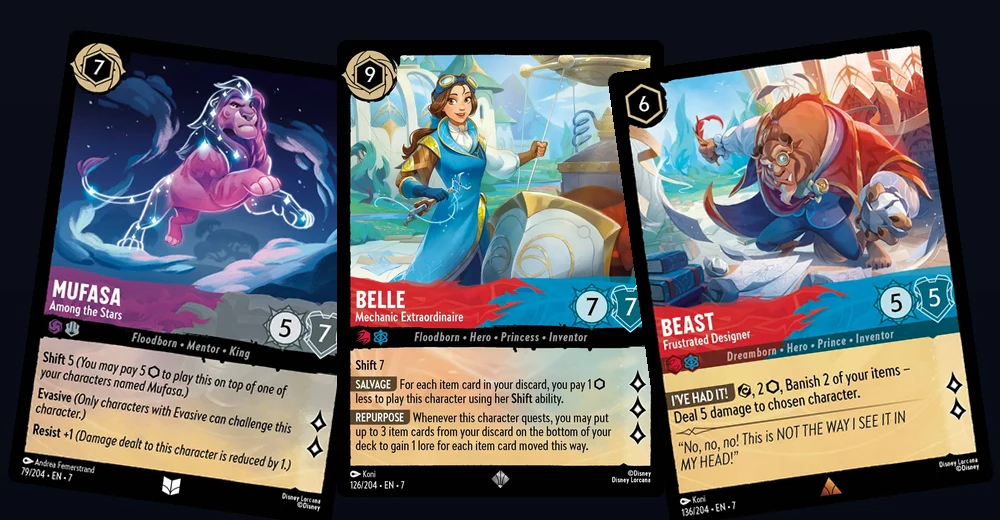 This collage shows Mufasa, Belle, and Beast cards from different ink colors; it is a visual card-pool reference, not a photographed tournament board state.
Holding characters in hand waiting for the perfect curve. The deck wins by having multiple characters questing, not by having the ideal sequence. A 1-cost character played on turn 1 generates lore starting turn 2. That same character played on turn 3 costs you two full turns of lore generation. Play your cheapest cards first.
Using Emerald bounce effects too early. Bouncing a character on turn 2 when the opponent has not committed their stabilizers yet wastes your best tool. Save bounce effects for characters that are about to challenge your board or that are already questing for 3 or more lore per turn. Early turns, prioritize deploying characters over disruption.
Challenging into wide boards. If the opponent is also running an aggro shell, using your characters to challenge theirs clears their board but also exerts your characters. That means they cannot quest this turn. You fell behind in lore to remove a threat. Unless their character has a passive effect that is immediately winning the game, it is usually better to quest your characters and trade lore generation instead.
Not counting to 20. Track the lore count every turn. If you are at 12 lore and questing three characters for 2 lore each, you are two turns from 18 and three turns from closing. Know exactly how many turns you need and adjust your disruption timing accordingly. Decks lose with 17 lore on board because they spent a key turn disrupting instead of questing.
Overloading the board before the opponent has sweepers. Against Control, putting six characters in play is a trap. A sweeper becomes more valuable as your board grows. Play two or three characters at a time, quest with them, and add replacements as earlier characters get removed. This makes sweepers inefficient rather than devastating.
Is this a good deck in Lorcana in September 2026?
Yes, with the right expectations. InkDecks' September 15 snapshot puts the Elinor shell at 14% Core metashare, a 53% win rate, and Tier 1. It is behind Amber Amethyst Midrange in that snapshot, but it remains a strong choice for players who prefer a proactive lore race.
What is the main weakness of this shell?
Control and Steel-based challenger decks can punish the low-willpower curve and thin interaction suite. Press early, but do not commit every character into a known reset. Save bounce for the opposing card that generates the most value.
How does this deck beat Evasive decks?
Evasive characters cannot be challenged except by characters with Evasive, so do not waste turns attempting illegal or inefficient challenges. Quest with your early bodies and force the opponent to choose between interacting with the wide board and racing to 20 lore.
Does this pairing work in Infinity Constructed?
It can be built in Infinity, but the percentages and tier in this article describe Core Constructed only. Infinity has a different card pool, so use a current Infinity list and matchup sample rather than importing the Core recommendation.
What does Emerald ink add to an Amber aggro shell?
Emerald provides bounce and disruption tools that Amber alone cannot access. Bounce effects return the opponent's stabilizing characters to hand before they can quest or protect the board. This disruption creates the tempo gap that lets your small Amber characters close the lore race before the opponent recovers.
How many lore do you need to win and how fast can this build get there?
You need 20 lore to win. The exact clock depends on the opening curve, the opposing interaction, and how often your characters survive to quest again. Current analysis rates the pairing as a fast lore engine, but not as fast as the leading Amber/Amethyst tempo shell.
What is the best counter to this strategy?
Wide-board removal and efficient Steel challenges are the cleanest answers. Try to trade into several low-willpower characters at once, or force the pilot to spend bounce before it can keep questing. Single challenges are less effective when multiple characters remain ready.
Related
Union Arena Fullmetal Alchemist Deck Guide: Blue 2026
8 min read
Union Arena Attack on Titan Vol.2: New Yellow Color
8 min read
OP-17 Mihawk Deck Guide: Green Dracule Mihawk 2026
13 min read
Dragon Ball Fusion World FB11 Leaders: All 5 Revealed
8 min read
OP-17 Mihawk Matchup Guide: All 6 Leaders Explained
14 min read