

Shonen TCG · Guides
One Piece TCG OP-16 meta report: July 2026 snapshot
One Piece TCG OP-16 meta report preserved as a July 2026 snapshot: Nami, Luffy, Enel, Rosinante, and Blackbeard before OP-17 changed Standard.
Reviewing
One Piece TCG
One Piece TCG OP-16 meta report is now a historical snapshot, not a live deck recommendation. This article records what the English OP-16 format looked like in July 2026 and separates archive data from the current OP-17 environment. OP-17 released in English on August 28, so the old OP-16 hierarchy should not be used as today's tier list.
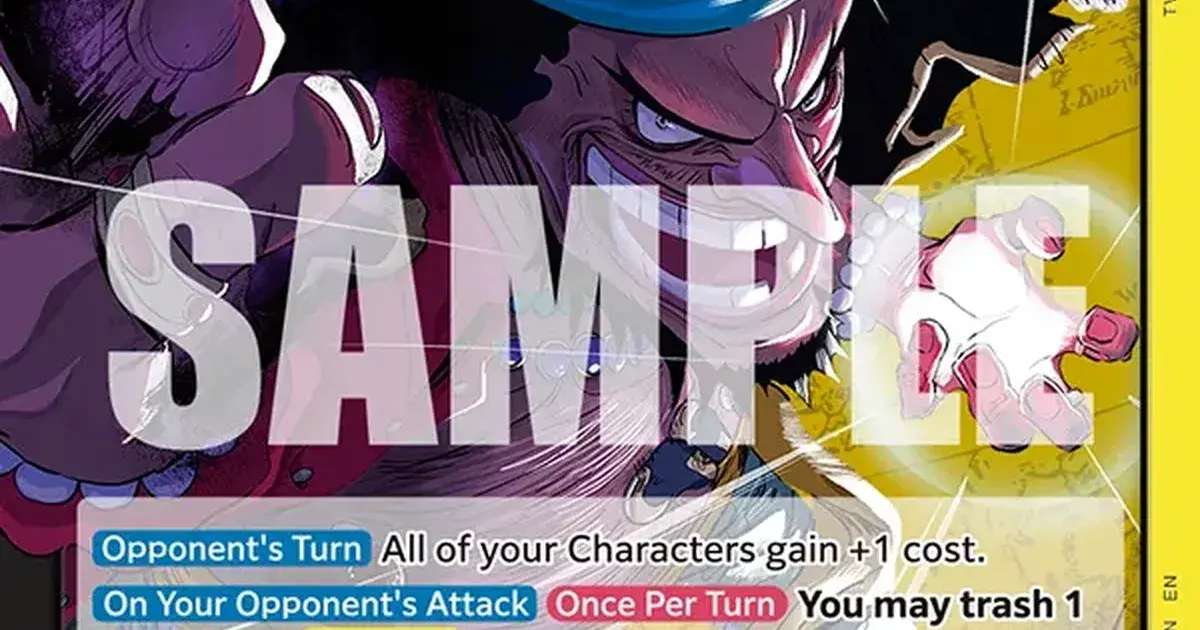
Featured image note: This official OP16-080 Marshall.D.Teach Leader card is representative OP-16-era artwork, not a complete tier grid or proof of any current ranking.
TL;DR: For a reproducible OP-16 retrospective, the current Limitless archive lists Blue/Yellow Nami at 23.52% of OP16 points, Green/Blue Luffy at 22.91%, Purple Enel at 22.71%, Purple/Yellow Rosinante at 9.88%, and Black/Yellow Blackbeard at 8.86%. Those are archive point shares, not win rates. OP-17 is now the live English format, so this report is best used to understand the previous format's card choices and tournament results. Updated September 30, 2026: The OP-17 comparison below is a dated pre-ban snapshot. Check the One Piece TCG banlist and effective dates before carrying a Mihawk result into an event after October 11.
One Piece TCG OP-16 meta report? (quick answer)
This is a retrospective, not a current tier list. Limitless' OP16 archive puts Nami, Luffy, and Enel close together by points share, with Rosinante and Blackbeard next. OP-17 is now live in English, so use the later-format context below for present-day deck choices.
One Piece TCG OP-16 meta report: the July snapshot
The cleanest way to read an old format is to preserve the metric. Limitless currently shows its OP16 deck archive ranked by points share:
- Blue/Yellow Nami: 23.52%
- Green/Blue Luffy: 22.91%
- Purple Enel: 22.71%
- Purple/Yellow Rosinante: 9.88%
- Black/Yellow Blackbeard: 8.86%
- Red/Blue Lucy: 2.44%
- Black Yamato: 1.37%
- Green Mihawk: 1.02%
- Red Ace: 0.87%
These percentages describe the archive's points distribution for the OP16 filter. They are not the same as a win rate, metashare percentage, or an official tier assignment. That distinction matters because the earlier version of this article mixed onepiece.gg ranked-simulation percentages with tournament placement data and presented both as one hierarchy.
The point-share archive gives Nami, Luffy, and Enel a close top group, with Rosinante and Blackbeard forming the next meaningful tier of representation. It does not prove that Nami wins every head-to-head matchup or that the other leaders are interchangeable. It only gives a consistent way to describe the historical OP16 sample.
One Piece TCG OP-16 meta report: what the tournaments showed
The late-July event pages show why the format could not be reduced to one leader.
At the July 26 Treasure Cup in Sofia, Limitless lists Green/Blue Luffy in first, Black/Yellow Blackbeard in second, Green/Blue Luffy in third, and Purple/Yellow Rosinante in fourth. Blue/Yellow Nami appears in fifth, while Purple Enel appears in sixth and in several later places.
At the July 26 Treasure Cup in Puebla, Blue/Yellow Nami took first, Purple Enel took second, and another Blue/Yellow Nami list took third. Green/Blue Luffy also appears in the top sixteen. These are separate event results, not a single combined win-rate table, but together they support the broader archive picture: Nami, Luffy, Enel, Rosinante, and Blackbeard all had credible OP-16 tournament presence.
The current Limitless OP16 deck archive also records six OP16 wins for both Green/Blue Luffy and Blue/Yellow Nami, three for Purple Enel, and one each for Red/Blue Lucy and Black/Yellow Blackbeard in its wins view. Because the archive's filters and totals can change as data is added, treat those figures as a live reference for a historical format rather than a frozen official record.
Luffy and Enel
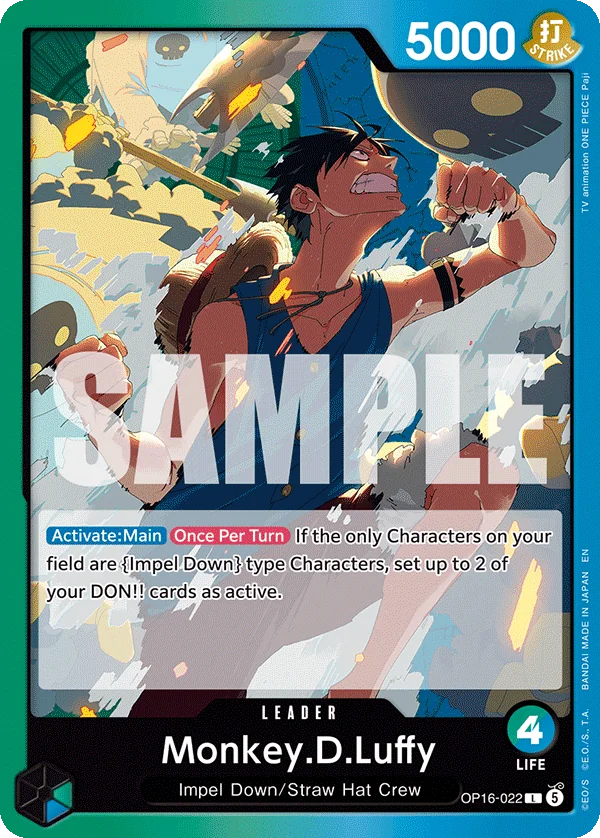 OP16-022OP16-022Shop on TCGplayer Green/Blue Luffy and Purple Enel were both central to OP16 testing. Limitless lists Luffy at 22.91% of the OP16 points archive and Enel at 22.71%, which puts them close by that metric. Their tournament paths were different: Luffy appears at the top of the Sofia event, while Enel appears second in the Puebla event and in several Sofia placements.
Those results are stronger evidence than an unsupported claim that one deck had no bad matchups. They show repeated access to top tables, while leaving room for regional field differences and pilot skill.
Nami
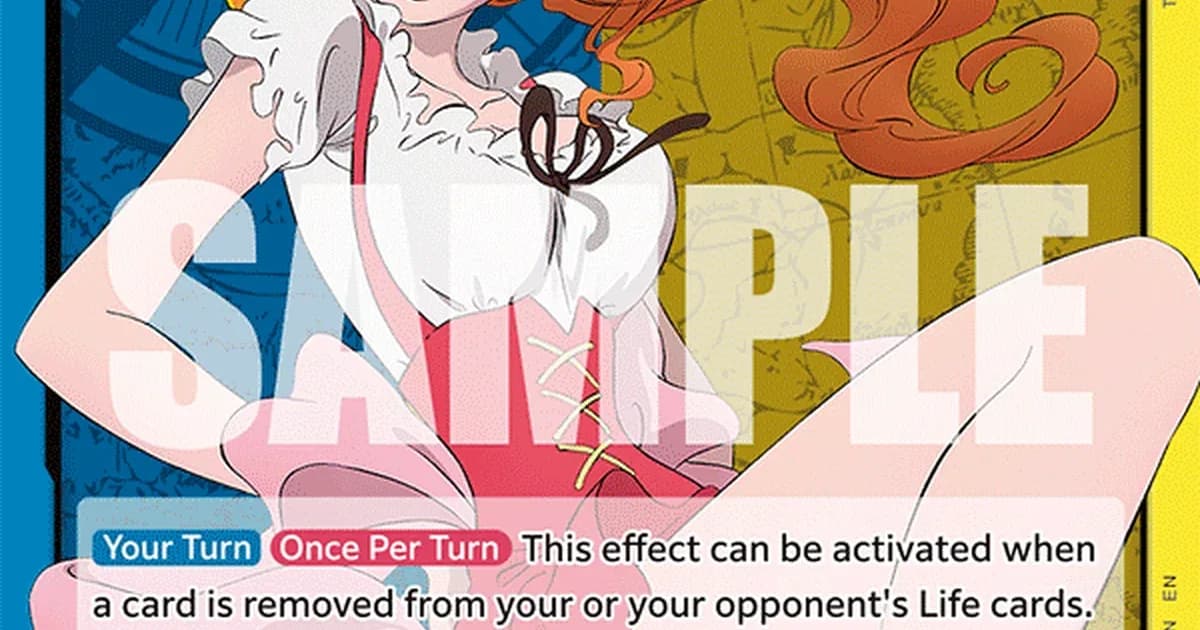
Nami OP11-041 was the leader behind the top Blue/Yellow archive entry. Limitless lists the deck at 23.52% of OP16 points and records a first-place finish in the July 26 Puebla Treasure Cup. That makes Nami an important part of the OP16 historical picture.
The correction is about scope. Nami's OP16 point share does not establish a current OP17 win rate, and it does not justify a present-day restriction forecast. Use the One Piece TCG Nami deck guide for the older deck engine, then check current OP17 results before choosing it for an event.
Rosinante and Blackbeard
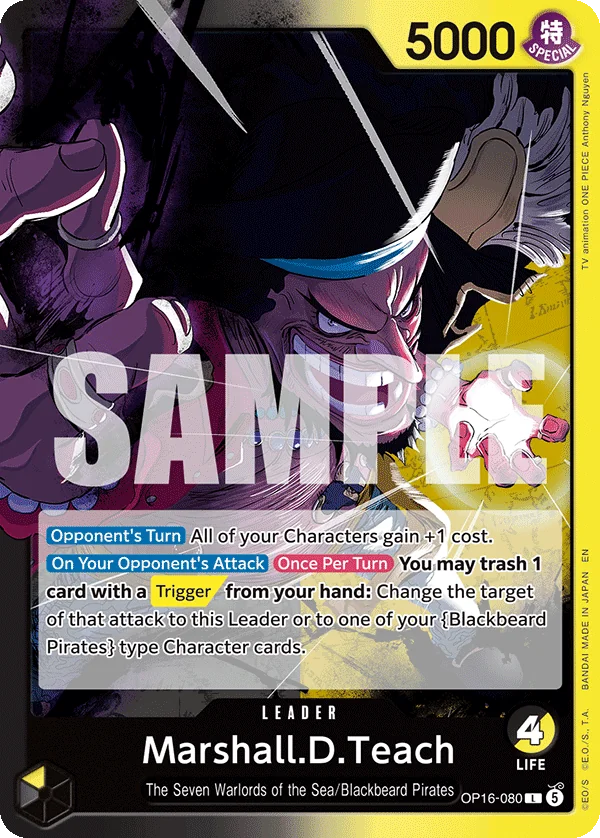 OP16-080OP16-080Shop on TCGplayer Black/Yellow Blackbeard sits at 8.86% of the OP16 points archive, while Purple/Yellow Rosinante sits at 9.88%. The July 26 Sofia results place Blackbeard second and Rosinante fourth, which illustrates why both remained meaningful choices even below the top three by archive share.
The older article called Blackbeard a Tier 2 leader based on a late-July classification and called Rosinante an S-tier riser. Those labels were tied to a particular tracker and date. The safer historical wording is that both decks produced measurable OP16 results, with Rosinante holding a larger archive share and Blackbeard taking second in the cited Sofia event.
The smaller OP16 branches
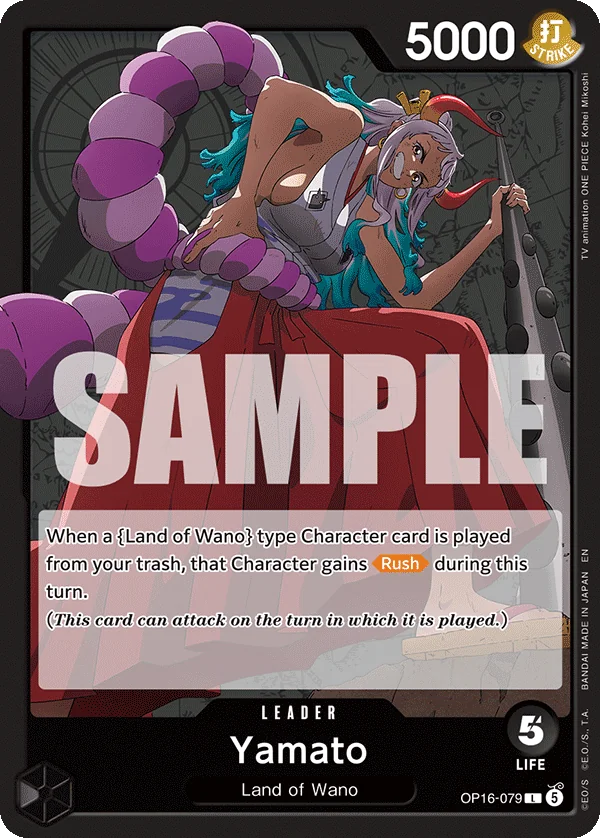 OP16-079OP16-079Shop on TCGplayer Black Yamato,
 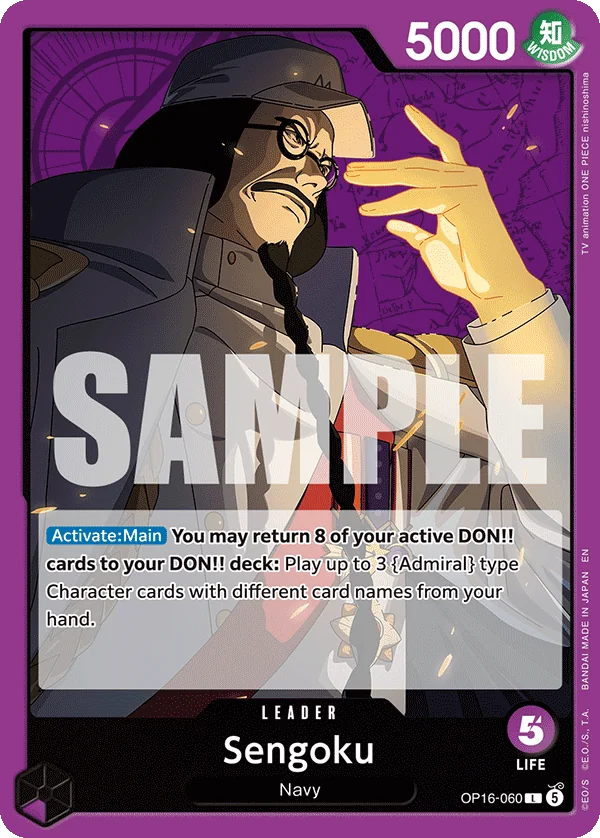 OP16-060OP16-060Shop on TCGplayer Purple Sengoku,
 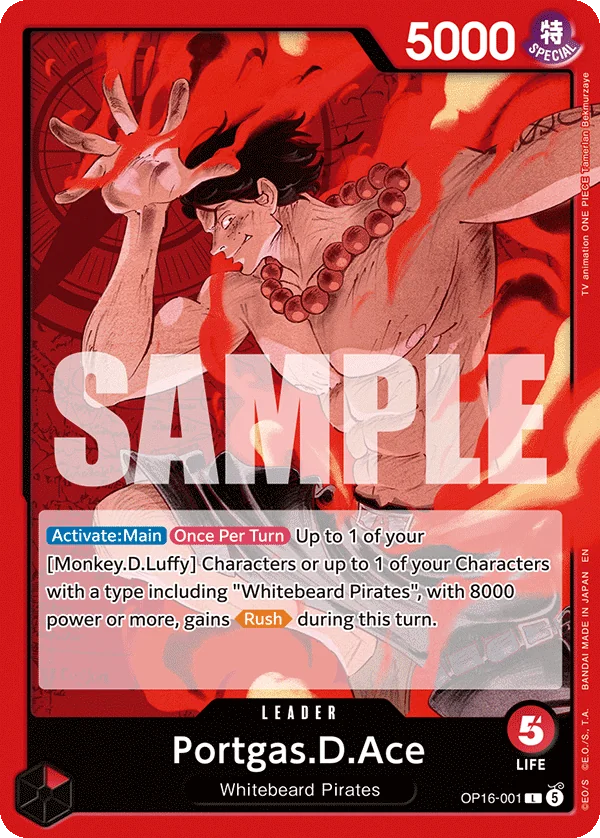 OP16-001OP16-001Shop on TCGplayer Red Ace, and
 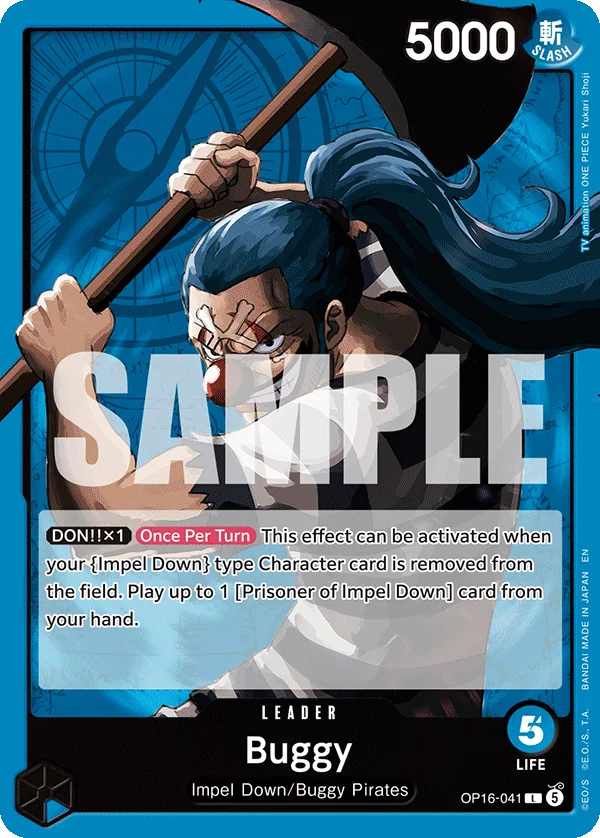 OP16-041OP16-041Shop on TCGplayer Blue Buggy were all part of the OP16 card pool, but they occupied much smaller positions in the current archive than Nami, Luffy, Enel, Rosinante, and Blackbeard. Limitless lists Black Yamato at 1.37%, Green Mihawk at 1.02%, Red Ace at 0.87%, and Red/Blue Lucy at 2.44%.
The Peoria Ace claim from the old draft could not be independently verified as a specific result, so it is not repeated here. A deck guide can still discuss Ace's card plan, but a meta report should not turn an unverified event anecdote into evidence.
What OP-17 changed after this July snapshot
OP-17 is no longer a future release. Bandai's Japanese product listing gives August 22, 2026 as the Japanese release date, and the official Bandai Card Games video lists August 28 for the English release. The US prerelease was August 21.
The six OP-17 leaders are:
- Edward.Newgate, Red
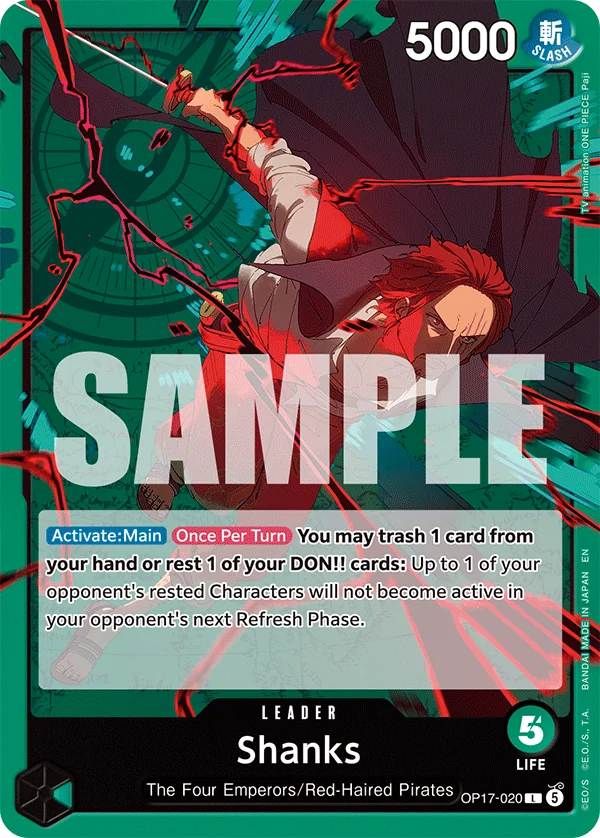 OP17-020OP17-020Shop on TCGplayer Shanks, Green
- Rocks.D.Xebec, Blue
- Kaido, Purple
- Monkey.D.Luffy, Black
- Charlotte Linlin, Yellow
The corrected Shanks shortcode above points to OP17-020, the Green Leader. OP17-022 is a different Shanks Character and should not be used as the leader card.
A September 2026 third-party tracker described a different environment. Its OP-17 page listed Green Dracule Mihawk at a 65% win rate and S tier, with Blue Rocks, Sabo, Nico Robin, and Luffy branches among the leading decks. That tracker is useful as dated context, but it should not be merged into the July OP16 statistics in this article, and OP14-020 is banned effective October 12. For the crossover details, see the OP-17 and OP-16 format guide in Related Reading.
How to use this report now
Use this article for three purposes:
- comparing the OP16 archive metrics with the dated July tournament results
- understanding why Nami, Luffy, Enel, Rosinante, and Blackbeard were the important OP16 test decks
- checking which claims belonged to a July snapshot rather than the live format
Do not use the old ranking here as a September deck recommendation. Check current OP17 decklists, current tournament results, the latest ban and restriction notices, and the official card list before registering an event list.
For the original card-pool context, use the One Piece TCG OP-16 complete guide. The OP-16 week 1 tier list remains useful as an even earlier launch comparison, but both articles are historical after OP-17.
Frequently Asked Questions
Is this still the current One Piece TCG meta report?
No. It is a July 2026 OP16 retrospective. OP17 released in English on August 28, 2026, so current deck decisions should use OP17 results.
Which decks led the OP16 archive?
The current Limitless OP16 archive ranks Blue/Yellow Nami first by points share at 23.52%, followed by Green/Blue Luffy at 22.91%, Purple Enel at 22.71%, Purple/Yellow Rosinante at 9.88%, and Black/Yellow Blackbeard at 8.86%. These are archive point shares, not universal win rates.
What did the late OP16 tournaments show?
The July 26 Sofia Treasure Cup was won by Green/Blue Luffy, with Black/Yellow Blackbeard second and Purple/Yellow Rosinante fourth. The July 26 Puebla Treasure Cup was won by Blue/Yellow Nami, with Purple Enel second and another Nami list third. Those results show a varied top table.
What happened to Nami in OP16?
Nami was a major OP16 deck. The archive gives Blue/Yellow Nami the largest points share and records a July 26 Puebla win. That is historical OP16 evidence, not a current OP17 ranking.
When did OP17 release in English?
The English wide release was August 28, 2026, after the August 21 US prerelease. Japan received the set on August 22.
What is the live format after OP17?
The current format is OP17, and third-party September trackers pointed to a different leading group that included Green Dracule Mihawk, Blue Rocks, Sabo, Nico Robin, and Luffy variants. Check the date, methodology, and Bandai's October 12 restriction before comparing that snapshot with the OP16 archive.
Related Reading
- OP-16 Blackbeard Deck Guide: the Black/Yellow control shell that appears in the OP16 archive.
- OP-16 Green Blue Luffy Deck Guide: the Luffy lines behind the historical OP16 results.
- OP-16 Price Guide: a dated OP16 market reference, separate from current OP17 prices.
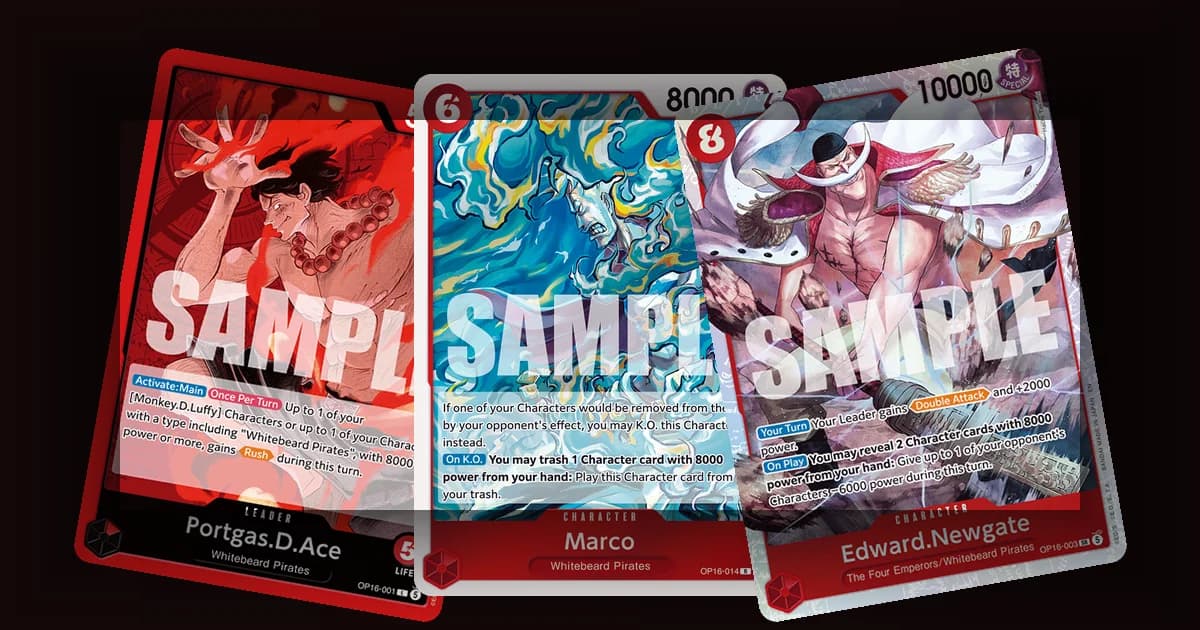
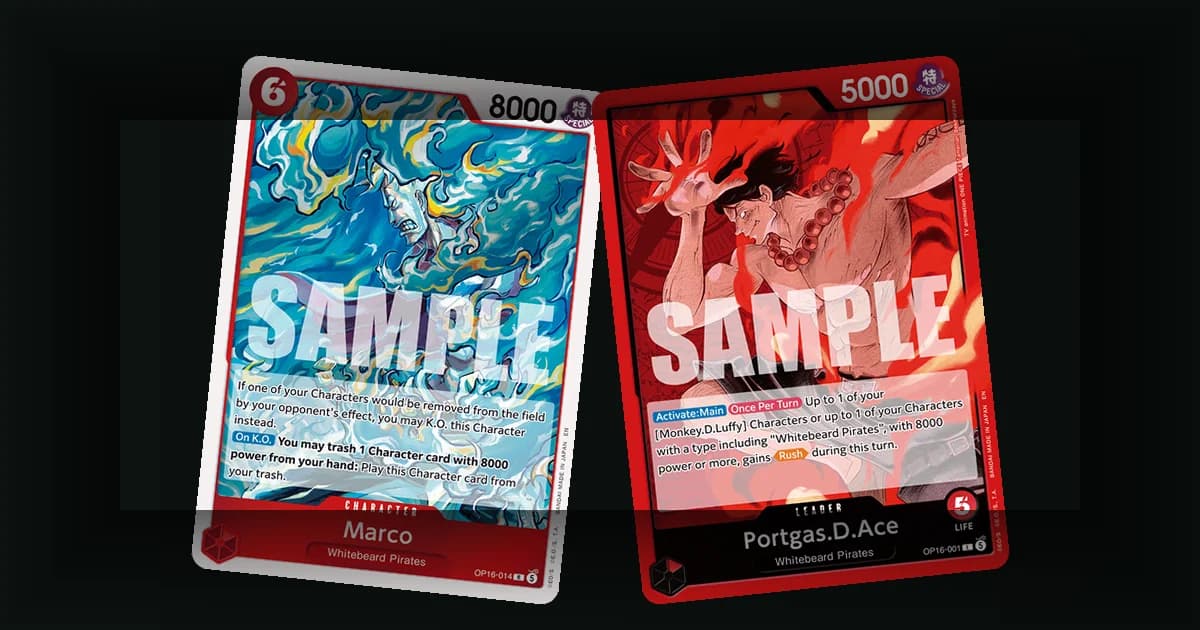
- OP-16 Marco Deck Guide: another OP16 historical deck guide with card-text verification.
- OP-17 and OP-16 Crossover Format Guide: how OP17 changes the older OP16 shells.
References
- Limitless One Piece OP16 deck archive: OP16 points shares and deck records
- Limitless One Piece decklists: dated OP16 tournament results and filters
- Limitless OP16 wins view: OP16 win totals in the archive
- Bandai One Piece Card Game official site: official products, card lists, rules, and restrictions
- Bandai OP-17 product listing: Japanese OP17 release date
- Official Bandai Card Games OP-17 release video: English release date announcement
- OP-17 September 2026 tier list: current third-party OP17 context, separate from the OP16 archive
Cards in this article
About the author

TCG Deck Analyst
Former card game tournament organiser turned analyst. Covers One Piece TCG meta, deck efficiency, and card valuation. Builds spreadsheets for decks most people just play.
- Regional TCG tournament organiser
- One Piece TCG meta specialist
- Competitive deck analysis
Keep reading
One Piece TCG Nami Counter Guide: Beat Blue Yellow 2026
Guides · 10 min
One Piece TCG Blue Yellow Guide: Pairing and Nami Strategy
Guides · 14 min
One Piece TCG Red Deck Guide: Full Aggro Strategy 2026
Guides · 14 min
OP-16 Marco Deck Guide: Phoenix in Whitebeard 2026
Guides · 15 min
One Piece TCG Green Deck Guide: Rest and Tempo Denial 2026
Guides · 17 min
OP-16 Price Guide: What Every Card Is Worth (2026)
Guides · 11 min
OP-16 Impel Down Buggy Deck Guide: Blue Swarm Build
Guides · 15 min
One Piece TCG Purple Deck Guide: DON Ramp and Control
Guides · 10 min
Disclaimer
This article is published for informational and entertainment purposes. It does not constitute professional financial, legal, or technical advice. Game performance, online services, patch schedules, and store listings change. Verify critical details (pricing, system requirements, regional availability) with publishers and storefronts before you buy. Affiliate links, where present, help support our editorial work and are labelled in our affiliate disclosure.