

Shonen TCG · Guides
One Piece TCG Most Expensive Cards 2026: Value Guide
One Piece TCG most expensive cards in 2026: verify card number, rarity, variant, condition, and current market value without stale price snapshots.
One Piece TCG most expensive cards are not a single permanent leaderboard. A card's apparent value depends on the exact card number, language, rarity, parallel treatment, condition, grading, marketplace, and date checked.
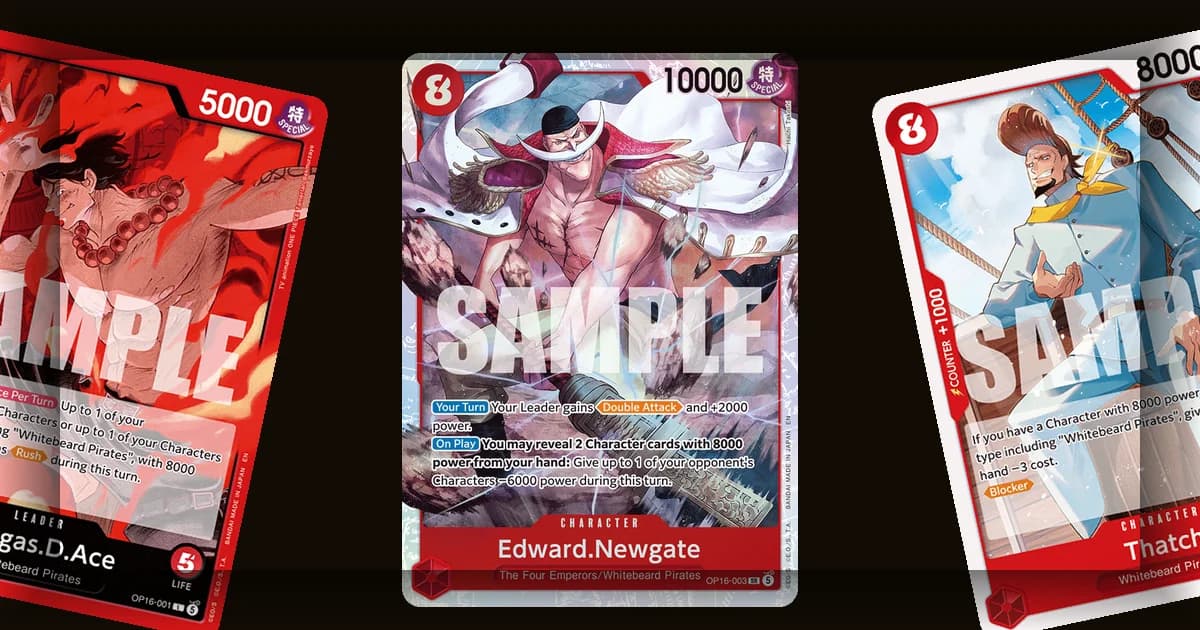
The previous version of this article presented mid-August price snapshots, unsupported pull-rate estimates, and OP-16 Manga Rare labels as if they were stable facts. Those claims are removed. The official OP-16 product page does not publish a price table or expected value, and it highlights a Three Admirals Super Alt-Art feature separately from its listed rarity families. The official card list is the source for card identity and printed rarity.
This guide gives you a repeatable way to identify a high-value card and compare a live listing. It also explains what Bandai officially confirms about OP-16, without inventing a current price when the source is not current or card-specific.
TL;DR: Use the official card list to verify the exact card number and rarity before looking at a market price. For OP-16, Bandai confirms two Secret Rare Characters, Portgas.D.Ace OP16-118 and Marshall.D.Teach OP16-119, plus a Three Admirals Super Alt-Art feature. A listing is only comparable when language, treatment, condition, and sale status match. Buy singles for exact targets and treat sealed product as a random opening experience.
One Piece TCG most expensive cards: quick answer
There is no defensible answer to "what is the most expensive card?" without a timestamp and a defined market. A raw English parallel sold today is not the same comparison as a Japanese graded copy, an asking price, or a tournament prize card.
Use this order:
- Identify the card: Record the card number, character, set, and card type.
- Identify the version: Record language, standard or parallel treatment, rarity, and whether it is graded.
- Check the sale status: Prefer completed or sold listings over an unsold asking price.
- Record condition and date: Near Mint, played, damaged, graded, and sealed products should not share one price line.
- Compare like with like: Use multiple recent listings and note shipping, platform fees, and currency.
Older set names and popular characters can create strong collector demand, while competitive cards may gain a second source of demand from players. That explains why different cards can be expensive for different reasons, but it does not make an old ranking current.
One Piece TCG most expensive cards: compare listings correctly
A useful price entry should look more like a small record than a single number:
| Field | Example of what to record |
|---|---|
| Card identity | OP16-118 Portgas.D.Ace |
| Card type and rarity | Character, Secret Rare |
| Language | English or Japanese |
| Treatment | Standard, parallel, Special, Treasure Rare, or other official variant |
| Condition | Raw Near Mint, played, damaged, or graded |
| Market evidence | Completed sale or current asking listing |
| Date | The day the number was checked |
| Total cost | Price plus shipping, tax, and platform fees |
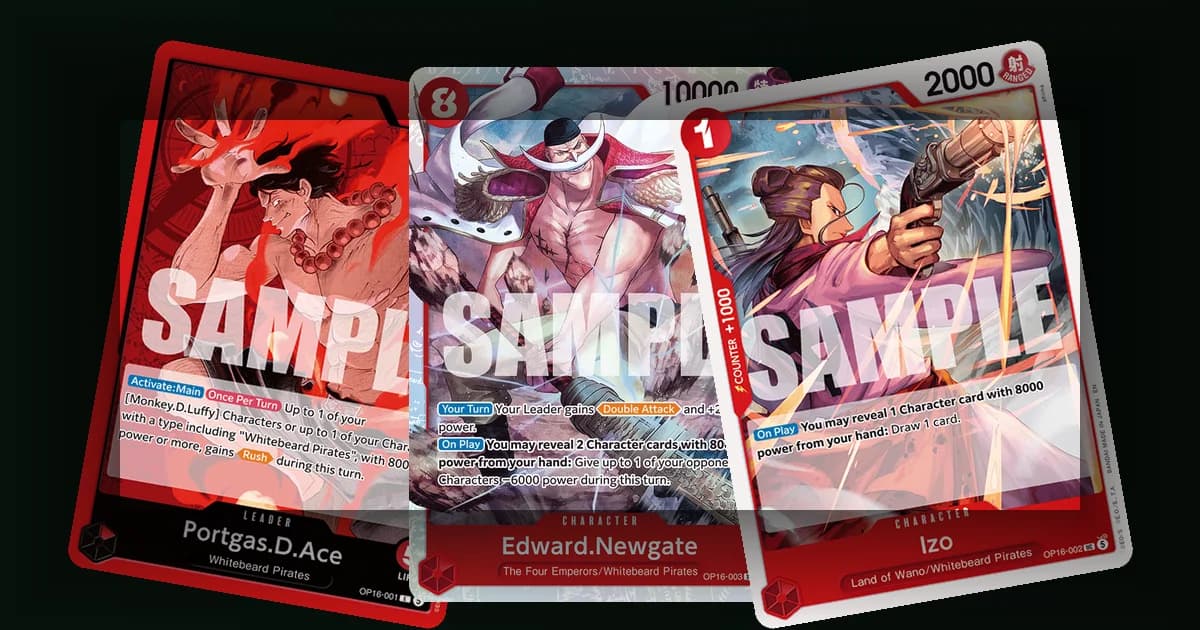
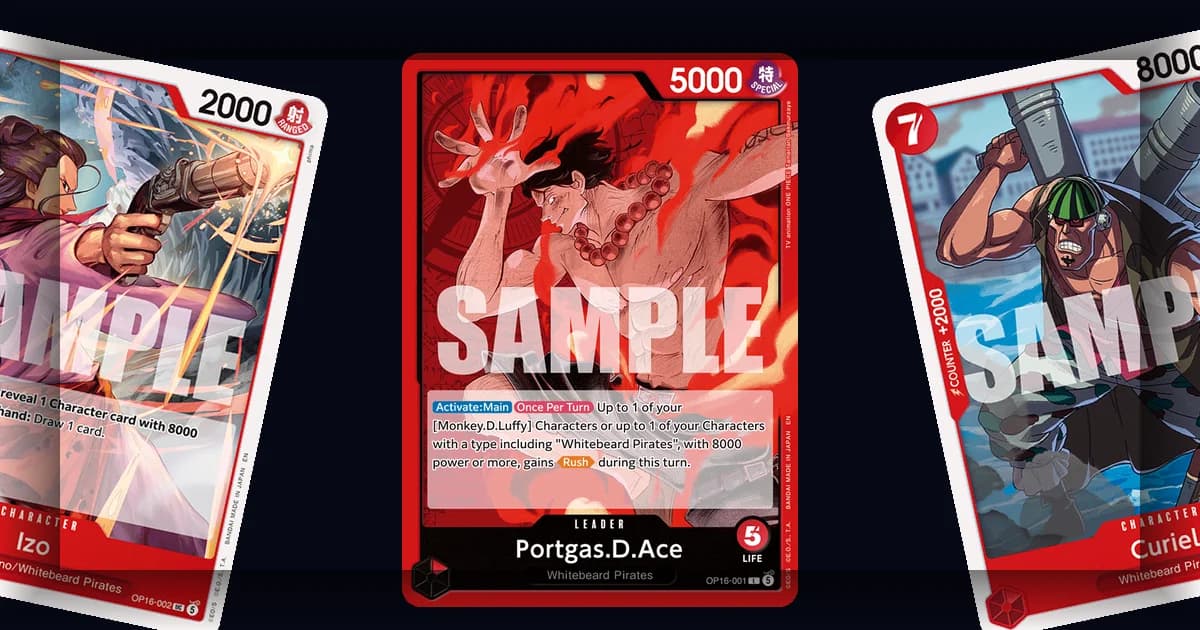
The exact card number is the most important field. Ace OP16-001 is a Red Leader, while Ace OP16-118 is a Red Secret Rare Character. They share a character name but are not interchangeable products. The One Piece TCG card rarities guide explains why a rarity label should always be paired with a card number and treatment.
An asking price is a seller's request, not proof that a sale happened. A sold listing is stronger evidence, but it still needs the same language, condition, and treatment before you use it in a comparison. If a marketplace does not show enough detail to identify the version, mark the data as uncertain instead of averaging it into a ranking.
What Bandai officially confirms about OP-16
Bandai's official product page confirms the set-level facts that can be safely used in a value article:
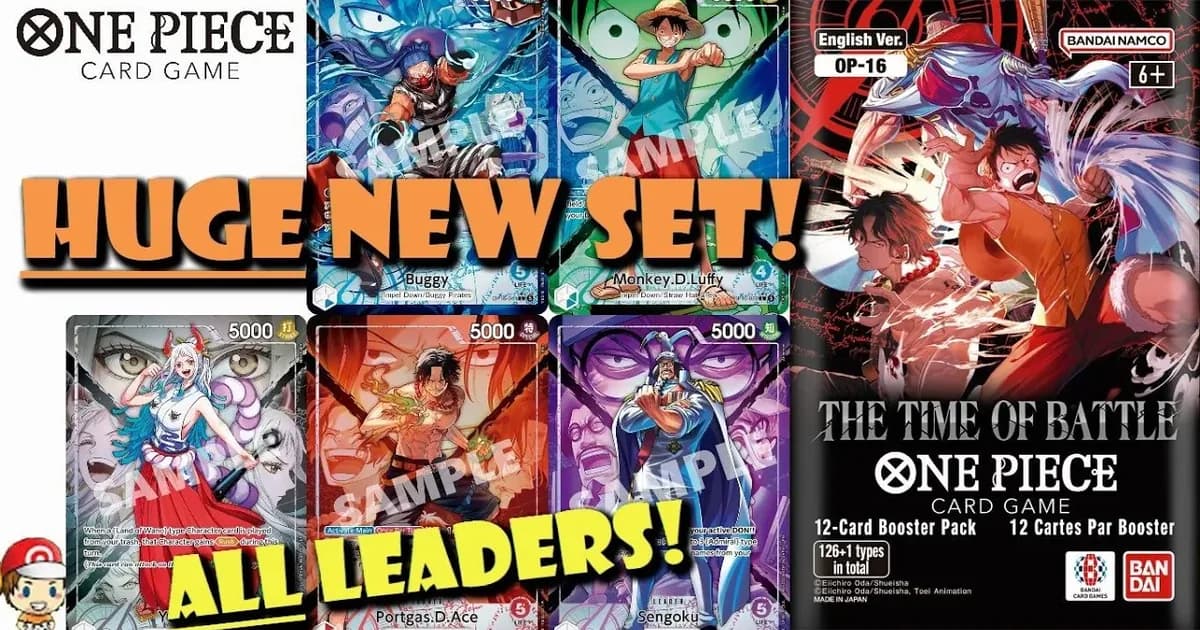
- The product is BOOSTER PACK -THE TIME OF BATTLE- [OP-16].
- The page lists Commons, Uncommons, Rares, Super Rares, Secret Rares, Leaders, Specials, Treasure Rare, and DON!! cards in the rarity information.
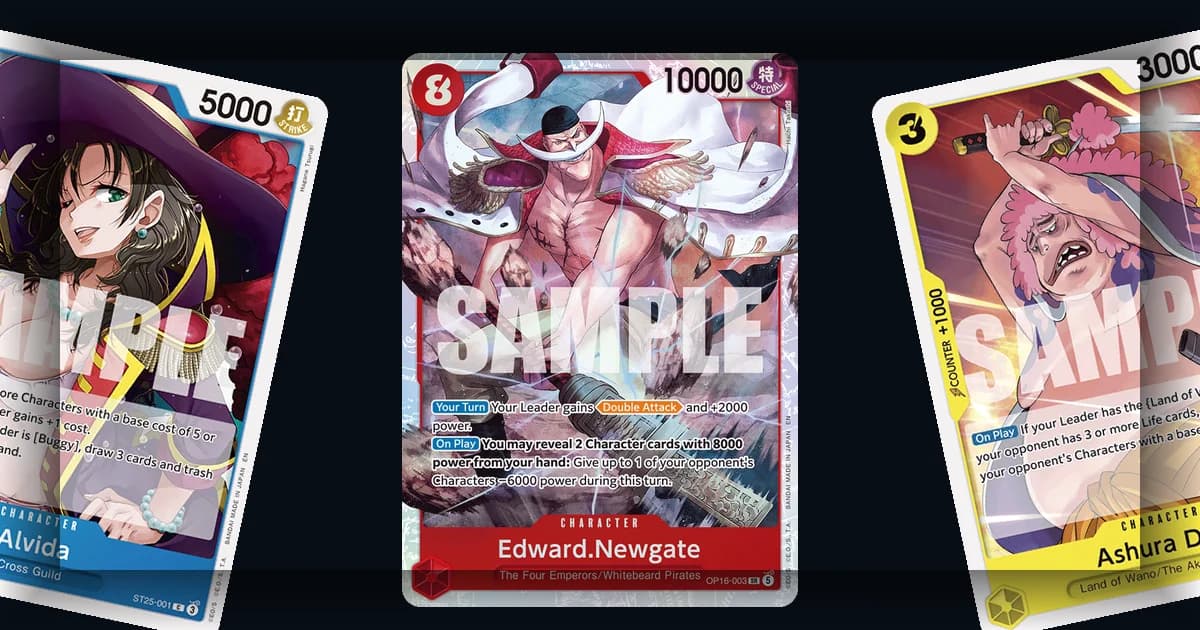
- Portgas.D.Ace and Marshall.D.Teach debut as Secret Rare cards in the product feature section.
- A separate product feature highlights a Three Admirals Super Alt-Art.
- The official page does not publish a live price table, pull-value ranking, or guaranteed expected value.
The official card list then identifies the individual cards. For example:
Portgas.D.Ace OP16-118
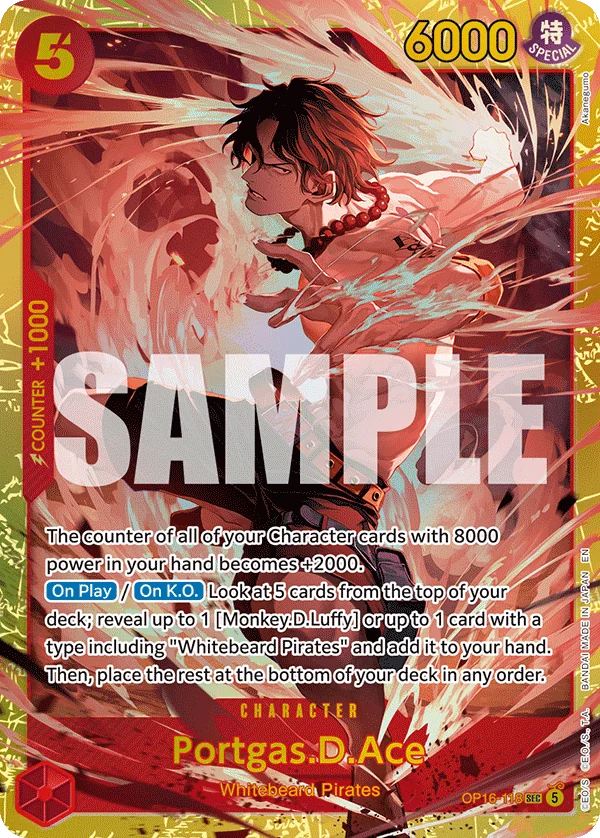 OP16-118OP16-118Shop on TCGplayer
The official list identifies this as a Red Secret Rare Character with the Whitebeard Pirates type. It is separate from Leader OP16-001.
Marshall.D.Teach OP16-119
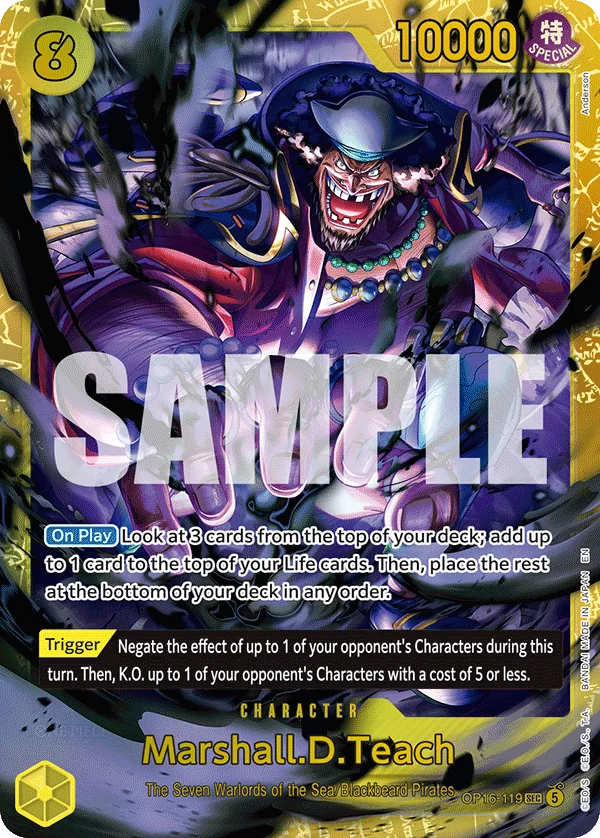 OP16-119OP16-119Shop on TCGplayer
The official list identifies this as a Yellow Secret Rare Character with the Seven Warlords of the Sea/Blackbeard Pirates type. It is separate from Leader OP16-080.
The Three Admirals
Sakazuki, Kuzan, and Borsalino are all official OP-16 Character cards with the Admiral/Navy type:
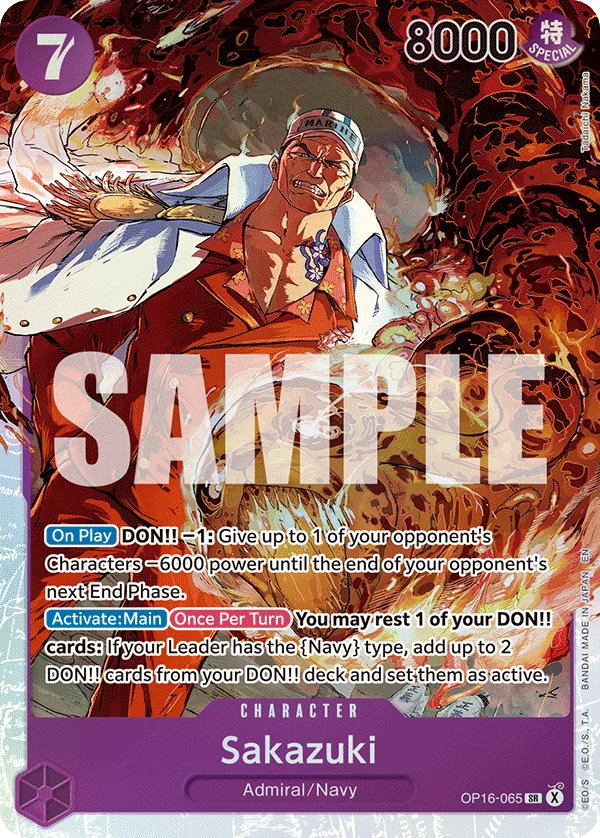 OP16-065OP16-065Shop on TCGplayer Sakazuki is a Purple Super Rare Character.
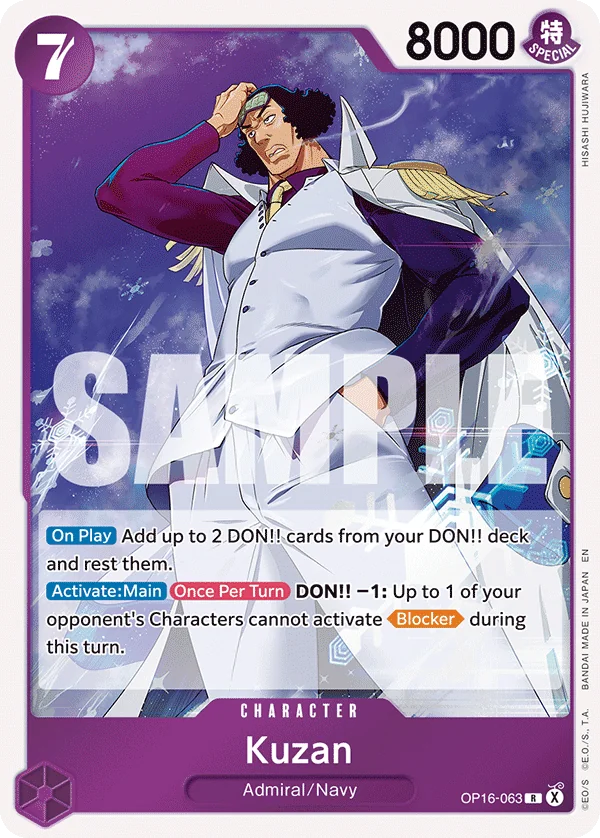 OP16-063OP16-063Shop on TCGplayer Kuzan is a Purple Rare Character.
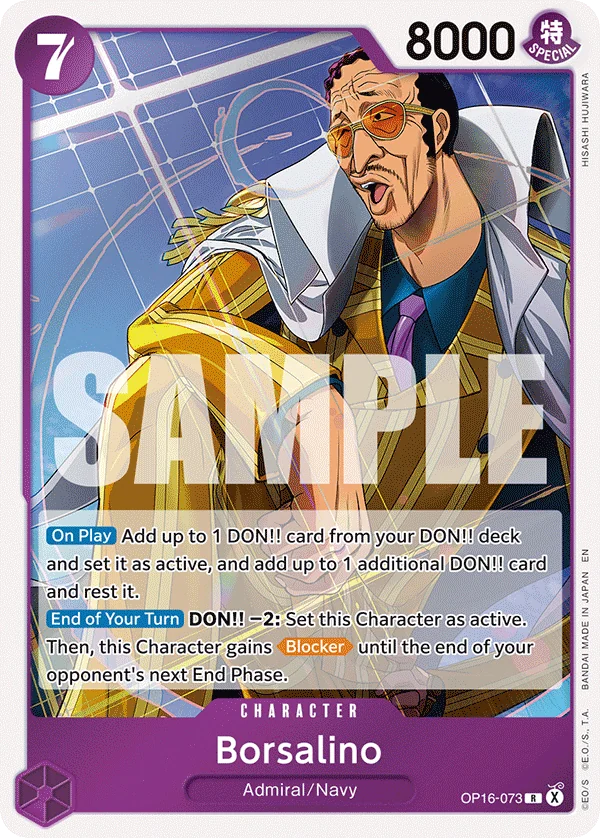 OP16-073OP16-073Shop on TCGplayer Borsalino is a Purple Rare Character.
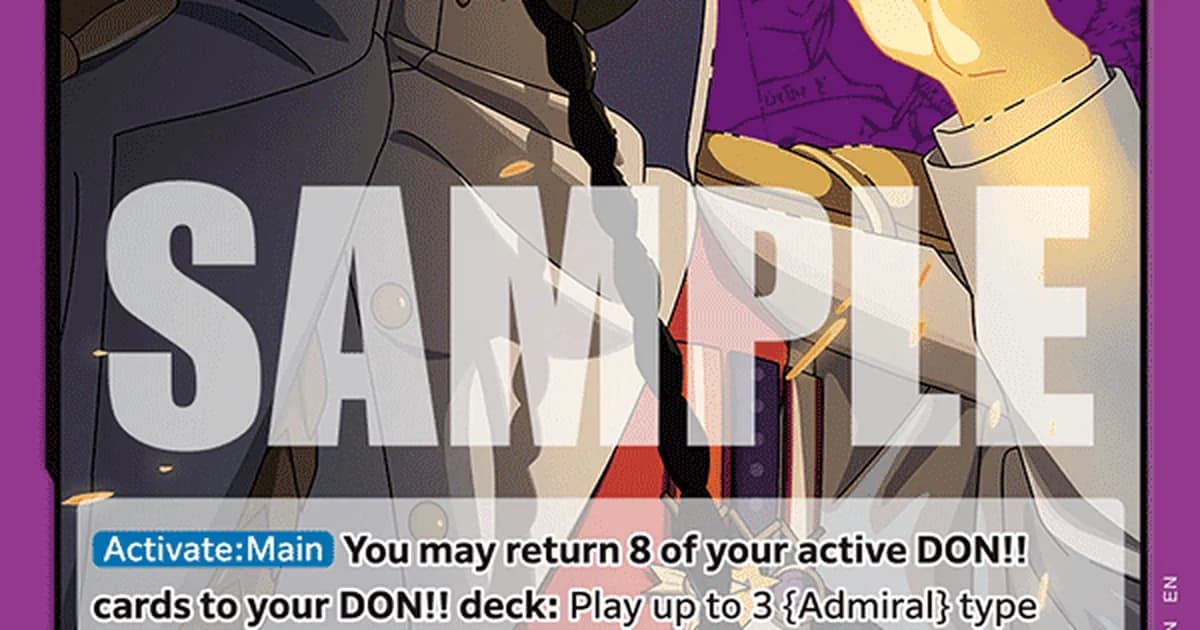
Bandai's product page highlights a Three Admirals Super Alt-Art feature. That is enough to establish the official feature. It is not enough to assign a current market price, call every treatment a Manga Rare, or claim that one Admiral is the most expensive card without a dated market source.
Why high-value cards can have different demand
Collector demand: Character popularity, key story moments, artwork, and set history can keep a card desirable even when it is not a competitive staple.
Competitive demand: A card that appears in legal tournament decks can have player demand in addition to collector demand. That demand can change when the format changes, a card is reprinted, or a deck stops being played.
Rarity and treatment: A standard print, parallel, Special, Treasure Rare, Secret Rare, and graded copy are different products for comparison purposes. Do not combine them into one average.
Supply and condition: A card can be scarce in Near Mint condition while played copies are more common. Shipping, seller location, authentication, and grading fees also change the total cost.
Timing: A launch-week price, an auction result, and a stable period of completed sales answer different questions. Every market note needs a source date.
These are reasons to investigate a listing, not guarantees that the price will rise. A card can be both rare and a poor purchase for your goal.
Competitive value versus collector value
A playable card is valuable to the player who needs it, but that does not make its rarest treatment necessary. The OP-16 Best Cards to Pull guide separates competitive roles from collector variants, while the One Piece TCG OP-16 Complete Guide provides the set and Leader context.
For a competitive purchase, ask:
- Is the card legal for the Leader's colors?
- Does its type or effect support the deck's actual plan?
- How many copies does the list need?
- Is the standard print enough for the deck?
- Will a lower-cost version solve the same game problem?
For a collector purchase, ask:
- Am I collecting a character, set, language, rarity, or treatment?
- Is the item raw or graded?
- Do the photos show the exact card number and condition?
- Is the asking price based on completed sales?
- Would I still want it if the market number fell?
The One Piece TCG trade guide can help with trade comparisons. The card grading guide covers condition and grading decisions.
How to use market pages without repeating stale numbers
Marketplace tools answer different questions:
- A seller marketplace shows current asking prices and availability.
- Completed sales show what buyers actually paid.
- A card database helps identify the card and may link variants.
- A competitive tracker shows play usage, not a guaranteed card value.
- A set product page confirms official rarity and feature language, not market price.
When you record a price, save the URL or source name, date, currency, language, treatment, condition, and whether the number is sold or listed. If any field is missing, use a range with a clear caveat or do not publish the number.
Do not use a community estimate for a pull rate as if it were an official statistic. Bandai's product page does not publish a guaranteed pull rate for the high-rarity cards listed there. A market article can discuss uncertainty, but it should not turn an estimate into a fact.
Step-by-Step: check an expensive card before buying
- Write down the exact card number. Names such as Ace, Luffy, or Shanks can appear on multiple cards and treatments.
- Verify the official identity. Use the official card list to check card type, rarity, color, and printed text.
- Match the version. Confirm language, standard or parallel treatment, set, and whether the copy is raw or graded.
- Inspect condition evidence. Ask for clear front, back, corners, surface, and any grading or serial details.
- Compare recent like-for-like sales. Use multiple completed listings where possible and separate asking prices from completed sales.
- Add the real total. Include shipping, tax, platform fees, currency conversion, grading, and authentication costs.
- Choose the goal. Buy if the card fits your deck or collection at a price you accept. Do not buy because an old article called it an investment.
Key Takeaways
- A "most expensive" ranking is only meaningful with a date, market, card number, treatment, language, and condition.
- OP-16 officially includes two SEC Characters, Ace OP16-118 and Teach OP16-119.
- Bandai highlights a Three Admirals Super Alt-Art feature but does not publish current prices or expected value.
- Sakazuki OP16-065, Kuzan OP16-063, and Borsalino OP16-073 are Admiral/Navy Characters, not Leaders.
- Completed sales are stronger evidence than asking prices, but only when the versions match.
- Rare does not mean financially safe. Separate competitive need, collector interest, and personal budget.
GODEEPER: For a current set-specific collecting framework, see the OP-16 Collectors Guide.
Related Reading
- OP-16 Is It Worth Buying?: Separate sealed-product questions from single-card value.
- OP-16 Budget Deck Guide: Build a playable list without defaulting to the highest-rarity version.
- One Piece TCG Meta Rotation Guide: Understand why competitive demand can change.
- One Piece TCG Beginner Guide 2026: Learn the game before evaluating a card for play.
Frequently Asked Questions
What are the most expensive One Piece TCG cards in 2026? There is no source-independent answer. Define the market and date, identify the exact card number and treatment, then compare recent completed sales. A raw English parallel, Japanese copy, graded card, and tournament prize should not be placed in one list without labels.
Why are some One Piece cards expensive? Collector appeal, competitive demand, rarity, treatment, supply, condition, language, and set history can all contribute. Those factors explain demand but do not guarantee future appreciation.
Does the official OP-16 page publish card prices? No. It publishes product details, rarity families, and highlighted features. Use current marketplace evidence for a price and record the source date.
Is Sakazuki OP16-065 a Manga Rare Leader? No. The official card list identifies OP16-065 as a Purple Super Rare Character with the Admiral/Navy type. It is not a Leader.
Should I buy a sealed box to find one expensive card? Only if you want the random opening experience and have set a budget for it. For one exact card, a single gives a known target and avoids the randomness of sealed product.
How should I report a current card price? Name the card number, language, treatment, condition, market, sale status, currency, source, and date. Without those fields, the number is not reproducible.
References
Cards in this article
About the author
Card values and pull rates
Pen name for the Shonen TCG desk's card value, pull rate and collector market coverage.
- Prices read from TCGplayer and Cardmarket listings, dated
- Pull rates tied to a stated sample
- Opinions marked as ours, with the reason
Keep reading
OP-16 Meta Tier List Week 1: Early EN Results (2026)
Guides · 10 min
OP-16 Chase Cards: Best to Pull & Value Guide (2026)
Guides · 12 min
Best One Piece TCG Decks for Beginners: 5 Picks (2026)
Guides · 14 min
One Piece TCG Manga Rare Cards: Guide & Values (2026)
Guides · 12 min
OP-16 is it worth buying? Box, singles, or sealed?
Guides · 9 min
One Piece TCG OP-16 Guide: Set Review & Leaders (2026)
Guides · 20 min
One Piece TCG Tournament Guide: How to Compete (2026)
Guides · 11 min
OP-16 All 6 Leaders Explained: Colors & Which to Build
Guides · 12 min
Disclaimer
This article is published for informational and entertainment purposes. It does not constitute professional financial, legal, or technical advice. Game performance, online services, patch schedules, and store listings change. Verify critical details (pricing, system requirements, regional availability) with publishers and storefronts before you buy. Affiliate links, where present, help support our editorial work and are labelled in our affiliate disclosure.