

Shonen TCG · Guides
OP-16 Ace Deck Guide: Whitebeard Pirates Rush Build
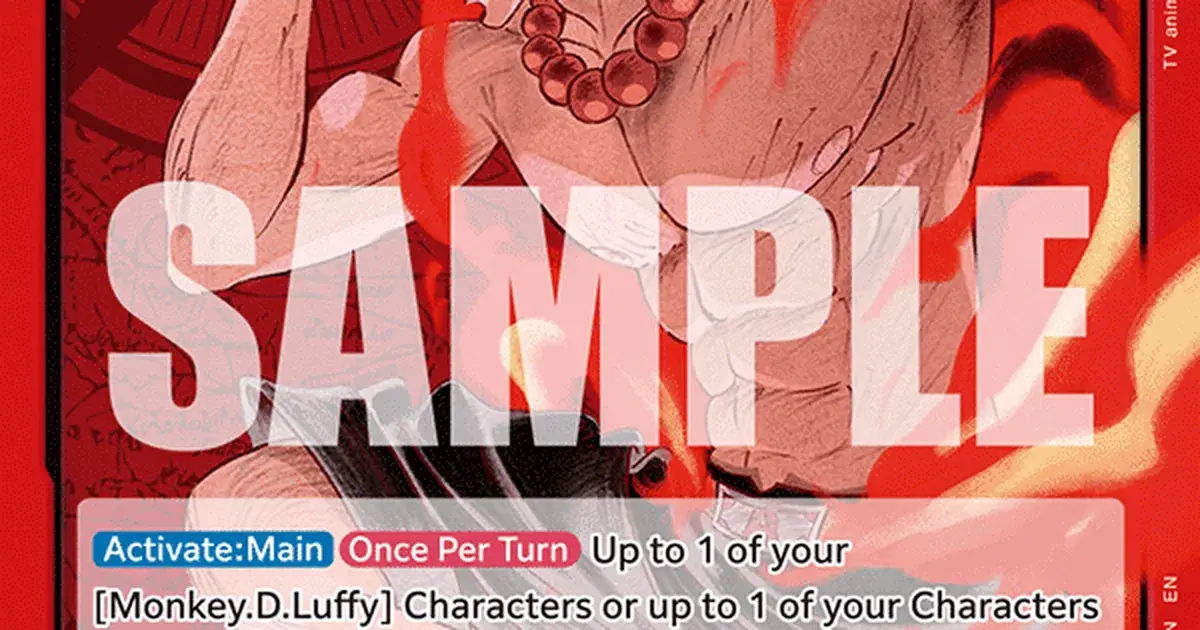
TL;DR: OP-16 Ace deck guide for the Red Whitebeard Pirates Leader. Ace grants Rush once per turn to a Monkey.D.Luffy Character or an 8000-power-or-higher Whitebeard Pirates Character. Build your curve around Izo, Marco, Thatch, and Edward.Newgate, then use that temporary Rush to turn a large body into immediate pressure.
Last checked: Card text, card legality, and the Limitless tournament snapshot were checked on September 18, 2026. Prices, deck shares, and tournament results can change after a new event or restriction notice.
OP-16 Ace deck guide? (quick answer)
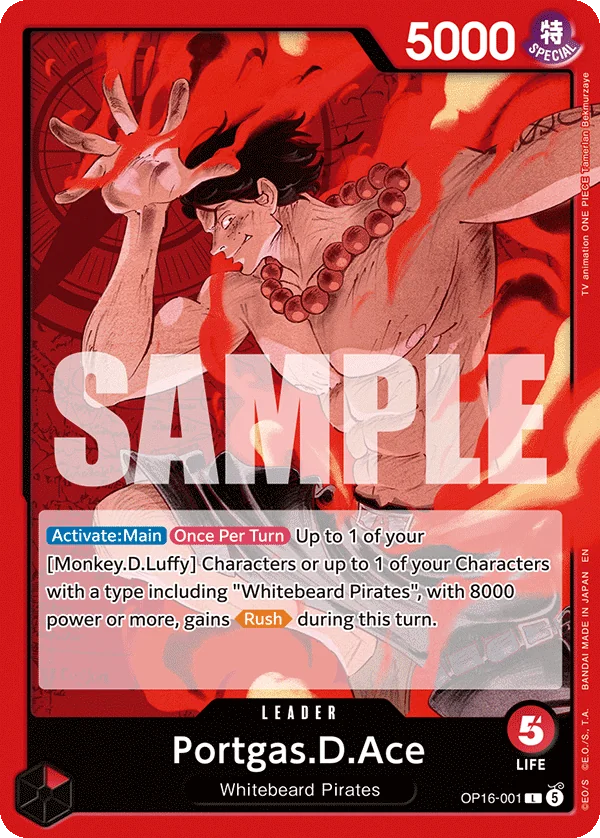 OP16-001OP16-001Shop on TCGplayer Portgas.D.Ace is the Red Leader for this shell. The current card has 5000 power and 5 Life. Its [Activate: Main] [Once Per Turn] ability gives [Rush] to up to one of your Monkey.D.Luffy Characters, or to up to one of your Characters with a type including Whitebeard Pirates and 8000 power or more.
That wording defines the deck. Ace is not a generic Red aggro Leader and the ability does not give Rush to any Red Character. You need a legal target already in play, so the deck spends its early turns finding or developing a large Whitebeard Pirates body. Once that body lands, Ace converts it into an attack before the opponent gets a full turn to answer it.
The simplest plan is to use Izo to smooth the opening, land Marco or another 8000-power threat, then use Thatch as a discounted follow-up. Edward.Newgate is the expensive payoff. It does not have Rush printed on the card, but Ace can grant it because Newgate is a 10000-power Whitebeard Pirates Character.
GODEEPER: Want to compare Ace with the other OP-16 Leaders before committing to a shell? The OP-16 all-Leaders breakdown compares their abilities and deckbuilding constraints.
OP-16 Ace deck guide: core cards
The card text below is checked against the current Limitless card records, with the official OP-16 product page as the set reference.
Portgas.D.Ace, OP16-001
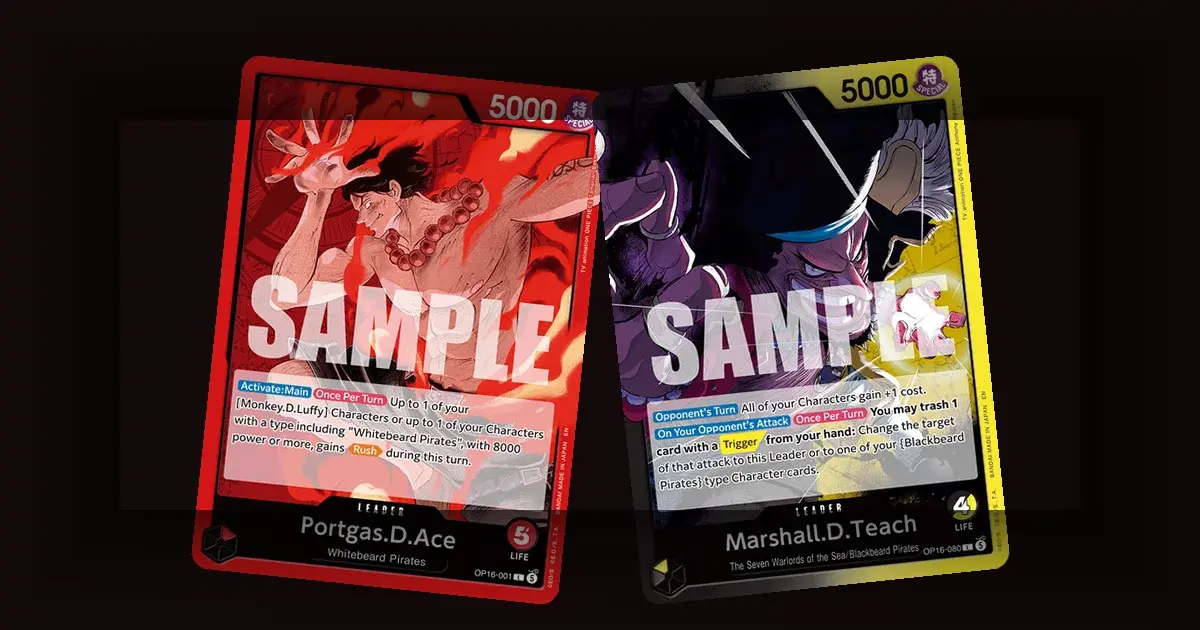
Ace is a Red Leader with 5000 power and 5 Life. The once-per-turn Rush grant is the engine, but its conditions are important. The Whitebeard Pirates target must be at least 8000 power, while the separate Luffy target does not use that power threshold.
Use the ability after the target is actually in the Character area. It cannot turn a card in hand into an attack, and it does not make a small utility Character an immediate attacker just because that card is Red. If you have multiple legal targets, choose based on the opponent's removal range and the value of putting damage through now.
Izo, OP16-002
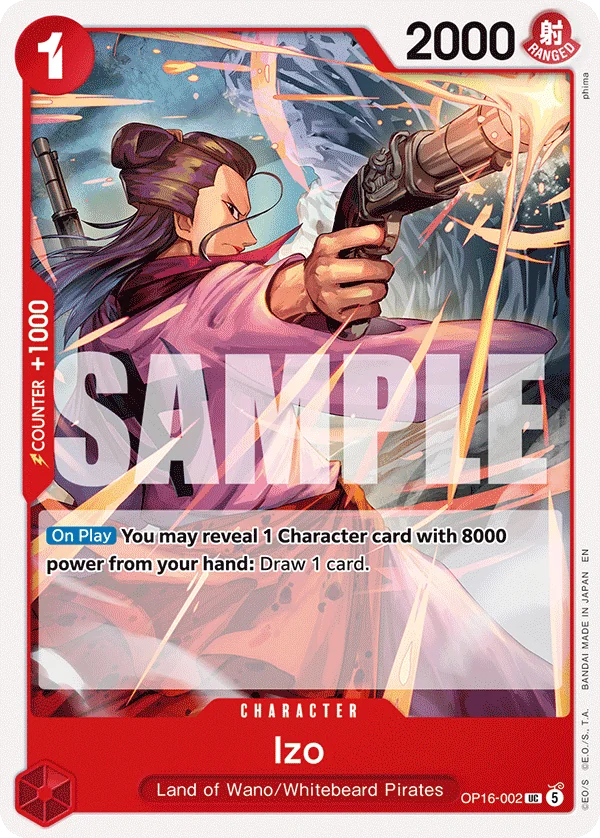 OP16-002OP16-002Shop on TCGplayer Izo is a 1-cost, 2000-power Character with +1000 Counter. Its [On Play] effect lets you reveal one Character card with 8000 power from your hand to draw one card. That makes it a useful early play when your hand already contains Marco, Newgate, or another qualifying Character.
Izo is not a tutor from the deck. You need the 8000-power card in hand before the effect works, so do not keep a hand that has only Izo and no believable route to a large body. It is a smoothing piece, not the whole opening plan.
Marco, OP16-014
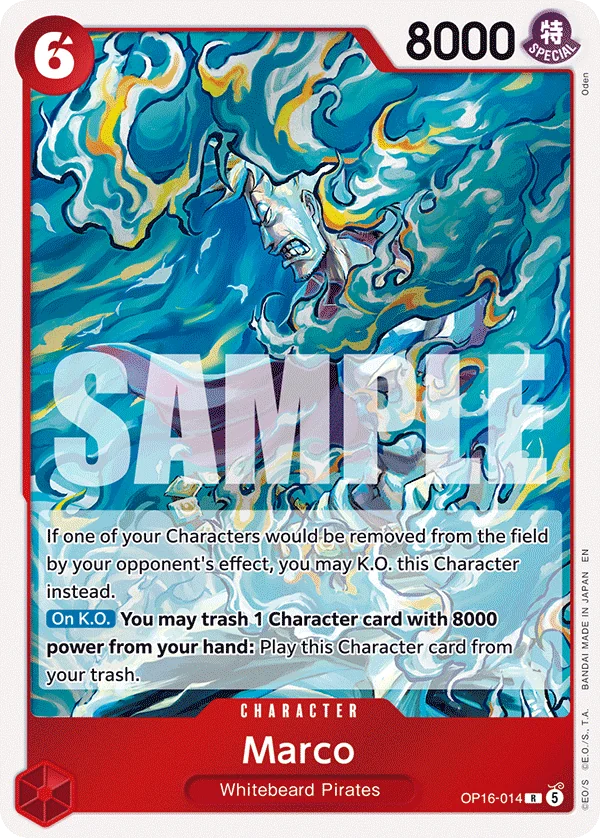 OP16-014OP16-014Shop on TCGplayer Marco costs 6 and has 8000 power. If one of your Characters would be removed from the field by an opponent's effect, you may K.O. Marco instead. Its [On K.O.] effect can then trash an 8000-power Character from your hand to play Marco from your trash.
Marco is both a Rush target and a protection resource. If the opponent has a clean removal effect, decide whether saving a different Character is worth losing Marco now. If you can pay the follow-up cost later, the trade can preserve your board while putting an 8000-power body back in range of Ace's Leader ability.
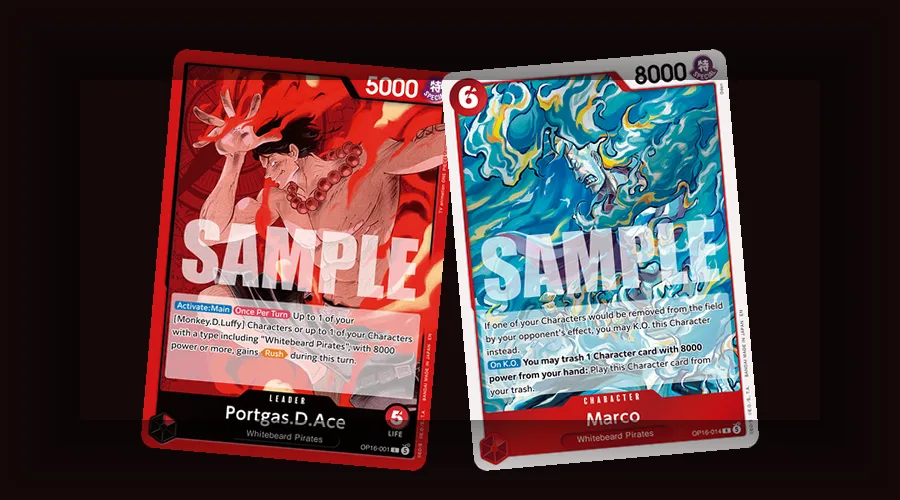 These real OP-16 sample cards show Portgas.D.Ace beside Marco. They illustrate the Leader and a qualifying 8000-power Whitebeard Pirates Character, not a complete list of required cards.
Edward.Newgate, OP16-003
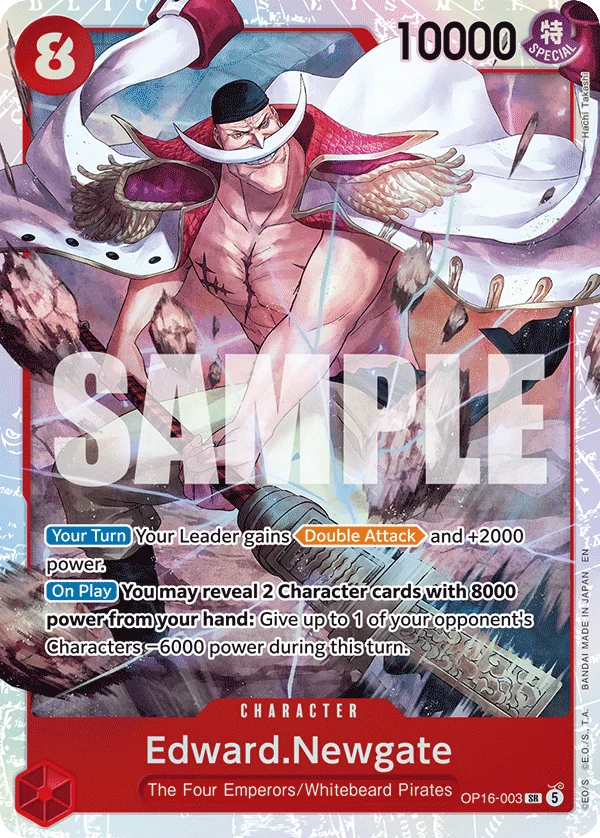 OP16-003OP16-003Shop on TCGplayer Edward.Newgate is an 8-cost, 10000-power Character. On your turn, its effect gives your Leader Double Attack and plus 2000 power. Its [On Play] effect can reveal two Character cards with 8000 power from your hand to give an opposing Character minus 6000 power during the turn.
Newgate is a high-impact Ace target, but do not describe it as a self-Rush or Blocker card. Those abilities are not in the current OP16-003 text. Ace supplies the Rush when you want Newgate to attack immediately, while Newgate supplies pressure and removal through its own printed effects.
Thatch, OP16-005
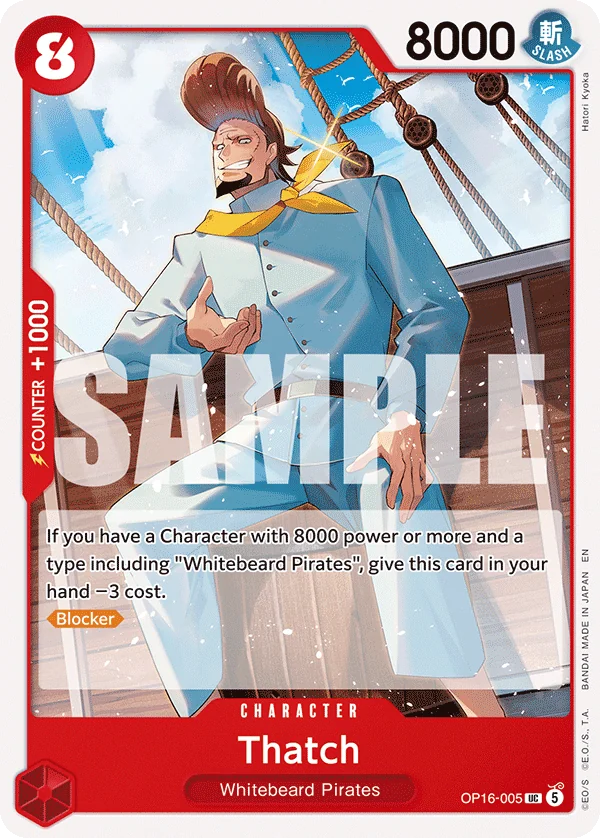 OP16-005OP16-005Shop on TCGplayer Thatch is an 8-cost, 8000-power Whitebeard Pirates Character with [Blocker] and +1000 Counter. If you have an 8000-power or higher Whitebeard Pirates Character in play, Thatch gets minus 3 cost while it is in your hand. Its effective cost is therefore 5 after the condition is active, not 2 and not a turn-one play.
This makes Thatch a follow-up. Do not mulligan as if it were your opening accelerator. First establish a qualifying body, then use the discount to add a Blocker while keeping enough DON!! for the rest of your turn.
Shanks, OP16-006
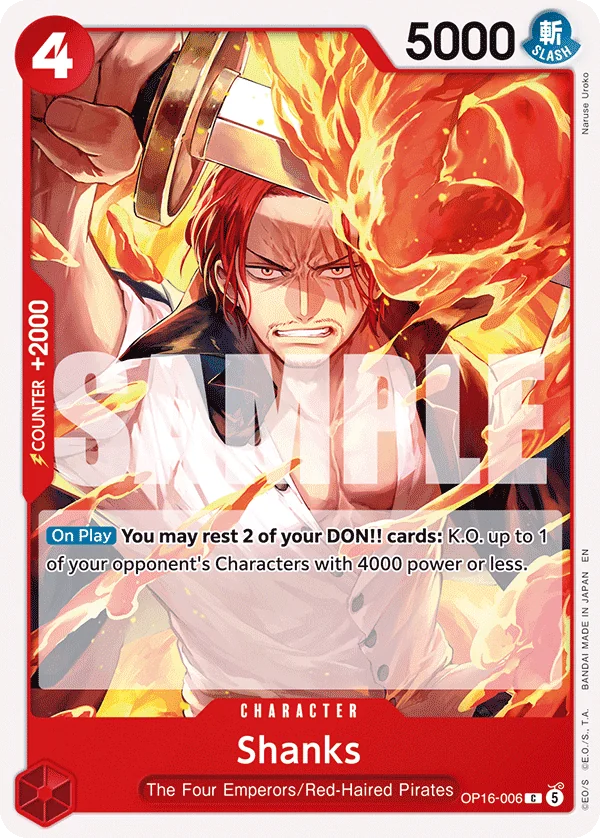 OP16-006OP16-006Shop on TCGplayer Shanks is a 4-cost, 5000-power Red Character. Its [On Play] effect lets you rest two DON!! cards to K.O. up to one opposing Character with 4000 power or less. It is a flexible removal slot, not an Ace Rush target, because its type is Four Emperors and Red-Haired Pirates rather than Whitebeard Pirates.
Whether Shanks belongs in your final list depends on the field and the current decklists. Treat it as a test slot rather than an automatic four-of.
What current results actually show
As of September 18, 2026, the Limitless OP16 format dashboard lists Red Ace at 0.87 percent of the tracked deck share, with Red and Blue Ace listed separately at 0.71 percent. The Ace Leader record shows four listed placings, including a third-place Treasure Cup finish in Peoria and a sixth-place Treasure Cup finish in Wolverhampton.
That is useful evidence that the Leader has real tournament results, but it is a small sample. It does not support a permanent Tier 3 label, a guaranteed matchup spread, or a claim that the current aggregate list is the only correct build. Use the current Red Ace deck profile as a starting point, then recheck the event date and format before registering.
Curve, mulligan, and resource plan
Ace needs a path to both a qualifying body and enough DON!! to use the Leader ability without falling too far behind. A useful test curve looks like this:
- Early game: Play Izo when its reveal condition is live, or use your early turns to preserve the cards needed for a large body.
- Midgame: Aim for Marco or another 8000-power Whitebeard Pirates Character. Keep track of whether using Ace now leaves you exposed to a clean answer.
- Follow-up: Once the condition is active, Thatch costs 5 from hand and can add a Blocker without consuming the whole turn.
- Top end: Newgate costs 8 and creates a large attack plus a possible minus 6000 effect. Ace can give it Rush when an immediate attack matters.
Mulligan priorities
Keep a hand that has a realistic curve, not just a collection of expensive names. Izo is stronger when you can reveal an 8000-power Character. Marco is a good keep when your DON!! curve can reach six. Newgate is more attractive when the hand can support both its cost and its reveal-two effect.
Ship hands that contain only high-cost cards, only utility cards, or no route to an 8000-power Whitebeard Pirates Character. The exact keep depends on the matchup and play or draw position, so test the opening hand against the current list rather than following an inflexible four-card rule.
Step-by-Step: Piloting the Ace Rush shell
1. Confirm the target before committing DON!!. Count the 8000-power Whitebeard Pirates Characters in hand and field. Ace needs a legal Character target, and Izo and Newgate both care about the same power threshold.
2. Use Izo only when its reveal condition is live. Revealing an 8000-power Character draws one card. If your hand cannot meet the condition, keep Izo as a Counter or play it for board presence only when that trade is worthwhile.
3. Land the first large body before spending the Rush grant. Marco is the cleanest first target because it is 6 cost, 8000 power, and can absorb an opponent's effect. The best attack is not always the first legal attack; consider whether Ace is needed to protect the turn's tempo.
4. Sequence Thatch after the condition is active. Its hand discount works only after an 8000-power or higher Whitebeard Pirates Character is in play. At that point, the card costs 5 and brings Blocker value, so avoid treating it as early acceleration.
5. Use Newgate for pressure and removal. Newgate's [On Play] effect needs two 8000-power Character cards in hand for the minus 6000 line. Preserve those cards when the removal is more important than immediate card flow, and remember that Newgate needs Ace's ability if you want it to attack on the turn it is played.
6. Choose damage or development with the board in mind. Ace's ability is once per turn. A Rush attack can close a game, but it can also expose your only large body to removal. If the opponent has a strong answer, developing a second threat or keeping Counter cards can be better than forcing one attack.
Matchup approach without invented win rates
The right plan depends on the opponent's actual list, not a permanent tier label. Use these principles while testing:
Against removal-heavy decks
Do not put every resource into one large body. Marco can replace another Character when an opponent's effect would remove it, but its protection is a choice and its recursion needs an 8000-power Character in hand. Keep enough material to recover after the first answer.
Against wide low-cost boards
Newgate's minus 6000 effect and Shanks's up-to-4000 K.O. line cover different ranges. Sequence the smaller removal effect before the opponent's board grows out of range, and do not assume that one large Rush attack solves a wide-board problem.
Against hand disruption or slow control
Protect the pieces that make Izo and Newgate live. Ace's plan is weaker when the opponent removes the high-power cards from your hand before you can establish a body. Keep the list's Counter count and recovery plan in mind rather than chasing the fastest possible damage every turn.
Against a defensive board
Use Ace's Rush grant when it changes the combat math or creates a meaningful life swing. A large Character that attacks immediately is valuable, but the opponent may still have blockers, Counter cards, or removal. Read the board before assuming a 10000-power attack ends the exchange.
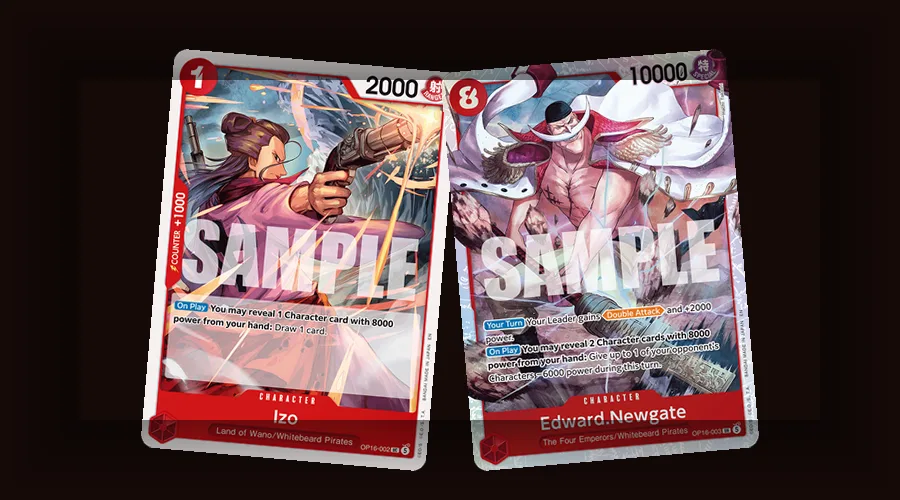 These real OP-16 sample cards show Izo and Edward.Newgate. Izo represents the early reveal-and-draw line, while Newgate represents the high-cost payoff; the image is not a full decklist.
Budget and testing choices
Do not anchor this deck to a fixed dollar range. Current prices differ by region, reprint, language, alternate art, and the timing of a tournament result. A price claim that was reasonable at launch can be misleading weeks later.
For a lower-cost test build, start with base-print versions and the role players you already own. Proxy or borrow the high-rarity pieces for testing where the event rules allow proxies for non-tournament practice. Upgrade only after you know whether you prefer a heavier Newgate plan, more removal, or more early Counter cards.
For an optimized tournament build, compare a current Red Ace profile with the exact event format and card legality. Do not assume that a recent list's rarest cards are mandatory. The Limitless aggregate is a snapshot of lists that placed, not a purchase order or a promise of future performance.
Sample testing shell
This is a role-based starting point, not a complete 50-card tournament list:
- Leader: OP16-001OP16-001Shop on TCGplayer Portgas.D.Ace
- Early selection: OP16-002OP16-002Shop on TCGplayer Izo
- First qualifying body: OP16-014OP16-014Shop on TCGplayer Marco
- Top-end pressure: OP16-003OP16-003Shop on TCGplayer Edward.Newgate
- Discounted defense: OP16-005OP16-005Shop on TCGplayer Thatch
- Flexible removal: OP16-006OP16-006Shop on TCGplayer Shanks
- Remaining slots: current Red support, Counter cards, and event or Stage choices tested against the field
Use the One Piece TCG counter guide to evaluate defensive slots, then compare the result with recent Red Ace lists. The goal is a coherent curve that reaches a Rush target consistently, not a list full of individually powerful cards that cannot meet Ace's conditions.
Common Ace deck mistakes
- Calling Ace a burn Leader: The card grants Rush. It does not deal bonus Life damage through a family-bond mechanic.
- Treating every Red Character as a target: The Whitebeard Pirates route requires at least 8000 power. The separate Luffy route is a card-name condition.
- Calling Thatch a 5-cost card: It starts at 8 and gets minus 3 in hand only after the qualifying board condition is active.
- Giving Newgate abilities it does not have: OP16-003 does not print Rush or Blocker. Ace can grant Rush, while Newgate provides its own Double Attack, power, and On Play effects.
- Using Izo without an 8000-power reveal: Its draw effect needs the reveal. It is not a free deck tutor.
- Spending Ace too early: The Leader ability is once per turn. Save it when a later attack creates more value or when you need to protect your position.
- Buying from an old price guide: Check current card pages and recent decklists before spending on high-rarity cards.
Key takeaways
- Ace OP16-001 is a Red Leader with 5000 power and 5 Life.
- Its once-per-turn ability gives Rush to a Monkey.D.Luffy Character or an 8000-power-or-higher Whitebeard Pirates Character.
- Izo smooths draws, Marco is a resilient 8000-power target, Thatch is an 8-cost card discounted to 5 after the board condition, and Newgate is an 8-cost 10000-power payoff.
- Newgate does not have printed Rush or Blocker. Ace can grant Rush when the timing is right.
- Current Limitless data shows real Ace placings, but the sample is small and should not be turned into a permanent tier or win-rate claim.
- Test the curve, Counter count, and recovery plan before buying high-rarity upgrades.
GODEEPER: Compare this shell with the OP-16 Marco deck guide and OP-16 Sengoku deck guide before choosing your first OP-16 build.
Related Reading
- OP-16 Ace Deck Tech Week 1: Earlier event results and the first tested Ace shell.
- OP-16 Best Cards to Pull: Review the set's chase cards and useful pulls.
- OP-16 Luffy Deck Guide: Explore the other OP-16 plan built around a different Leader ability.
- One Piece TCG Standard Format Guide 2026: Check current Block legality and tournament rules.
- One Piece TCG Meta Rotation Guide: Track format changes before registering an older list.
Frequently Asked Questions
Q: Is Ace a Leader in OP-16? A: Yes. Portgas.D.Ace OP16-001 is a Red Leader with 5000 power and 5 Life. Its once-per-turn ability grants Rush to a qualifying Luffy or Whitebeard Pirates Character.
Q: What does the Ace ability target? A: Up to one Monkey.D.Luffy Character, or up to one Character with a type including Whitebeard Pirates and 8000 power or more. It does not target every Red Character.
Q: Is Marco the main Rush target? A: Marco is a natural target because it is a 6-cost, 8000-power Whitebeard Pirates Character with protection and a trash recursion line. It is not the only possible target.
Q: What is Thatch's real cost? A: Thatch is an 8-cost, 8000-power Character. Its cost in hand is reduced by 3 when you have an 8000-power or higher Whitebeard Pirates Character, so it can be played for 5 after the condition is live.
Q: Does Newgate have Blocker? A: No. OP16-003 has 8 cost, 10000 power, a Leader Double Attack and power effect on your turn, and an On Play minus 6000 effect that requires revealing two 8000-power Character cards. Ace can give it Rush.
Q: Is Ace currently top tier? A: The current Limitless snapshot shows real tournament placings but a small sample. Recheck the latest deck data instead of relying on a fixed tier label.
Q: What is the cheapest way to test the deck? A: Use base-print cards, borrow or proxy expensive cards for non-tournament testing where allowed, and upgrade after the curve works. Prices and successful lists change over time.
References
- OP-16 The Time of Battle official product page: Set identity and official product information.
- One Piece Card Game official rules hub: Current rules and organized-play documents.
- Portgas.D.Ace OP16-001 card record: Current card text, legality, and recent results.
- Marco OP16-014 card record: Current card text and legality.
- Edward.Newgate OP16-003 card record: Current card text and legality.
- Thatch OP16-005 card record: Current cost, power, ability, and legality.
- Red Ace deck profile: Dated aggregate list for a current build snapshot.
- OP16 deck dashboard: Current format share and results context.
Was this guide helpful?
Cards in this article
About the author
Deck guides and meta
Pen name for the Shonen TCG desk's One Piece TCG deck guides, tier lists and meta reports.
- Lists averaged from public tournament results, sample size stated
- Card text quoted from Bandai's official card list
- Opinions marked as ours, with the reason
Keep reading
OP-16 Collectors Guide: SEC, Manga Rare, Alt-Art Cards
Guides · 11 min
One Piece TCG Standard Format Guide 2026: Legal Sets
Guides · 12 min
One Piece TCG Trade Guide: How to Trade Cards Fairly
Guides · 13 min
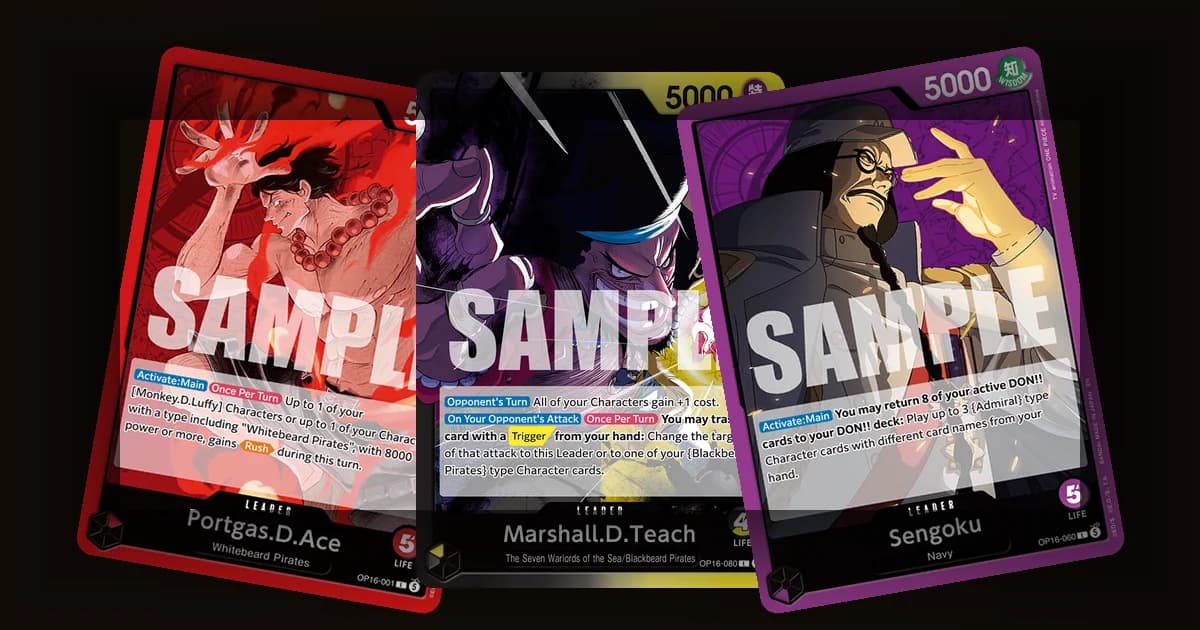
OP-16 Box Opening Strategy: How Many Boxes to Open
Guides · 10 min
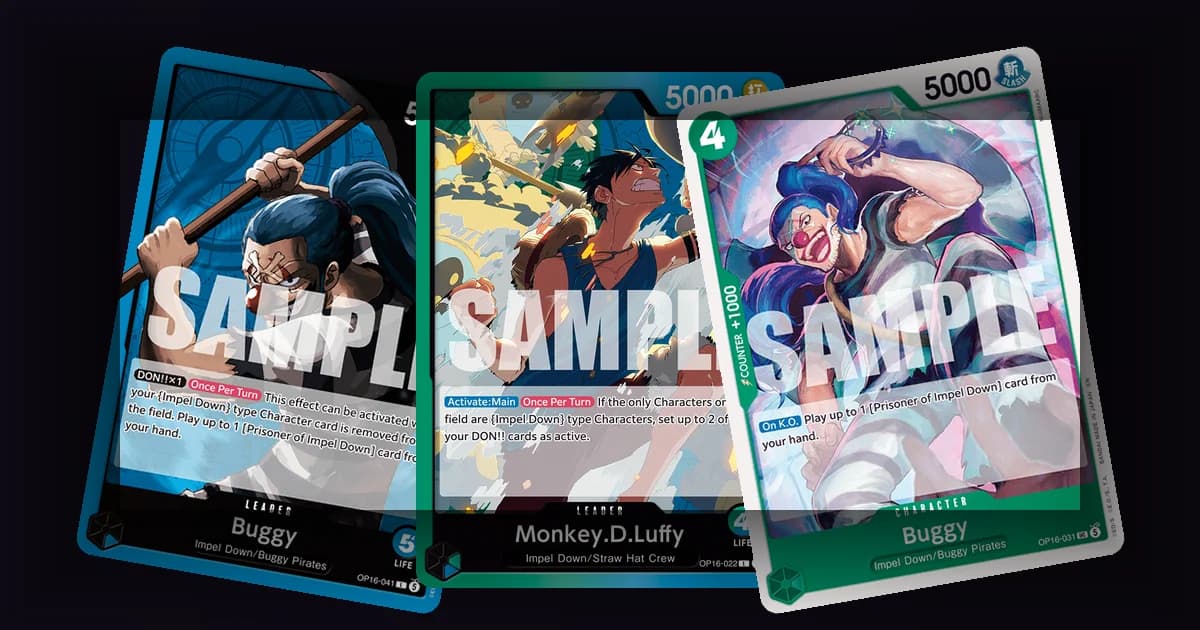
One Piece TCG Budget Competitive Guide 2026 Under $100
Guides · 13 min

One Piece TCG Deck Building Guide: Build From Scratch
Guides · 7 min
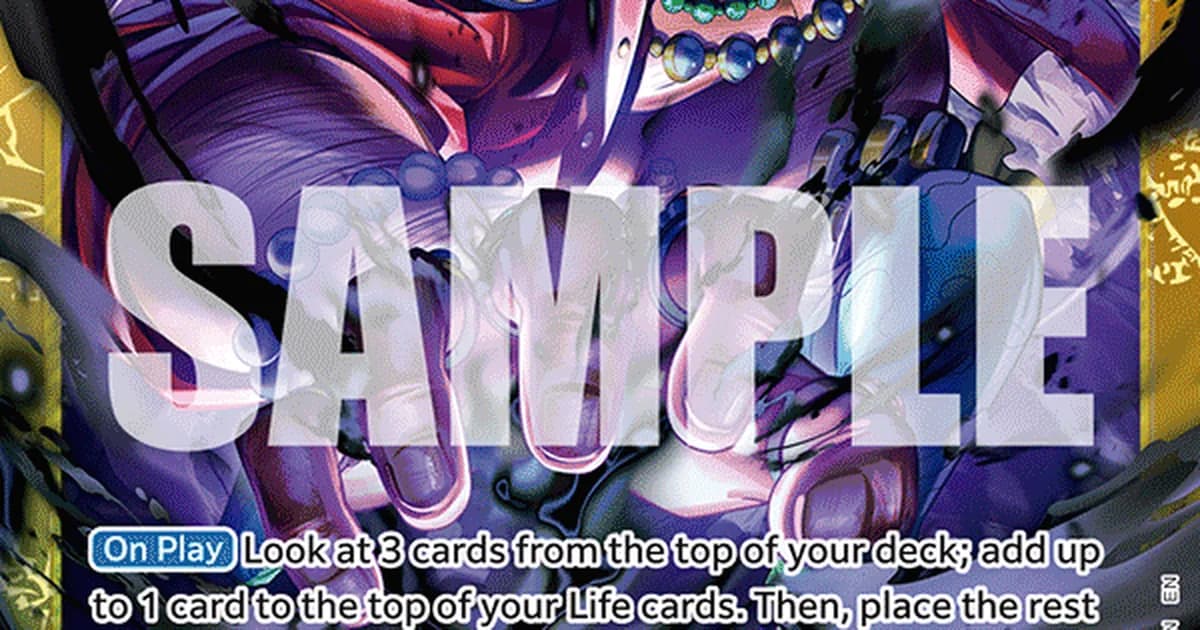
One Piece TCG Meta Rotation Guide: When to Sell Cards
Guides · 15 min

OP-16 vs OP-15 power level comparison: what changed?
Guides · 11 min
Disclaimer
This article is published for informational and entertainment purposes. It does not constitute professional financial, legal, or technical advice. Game performance, online services, patch schedules, and store listings change. Verify critical details (pricing, system requirements, regional availability) with publishers and storefronts before you buy. Affiliate links, where present, help support our editorial work and are labelled in our affiliate disclosure.