

Shonen TCG · Guides
One Piece TCG Common Beginner Mistakes: 9 to Avoid
One Piece TCG common beginner mistakes: 9 errors new players make with DON, counters, life, and attacks, plus how to fix each one fast in 2026.
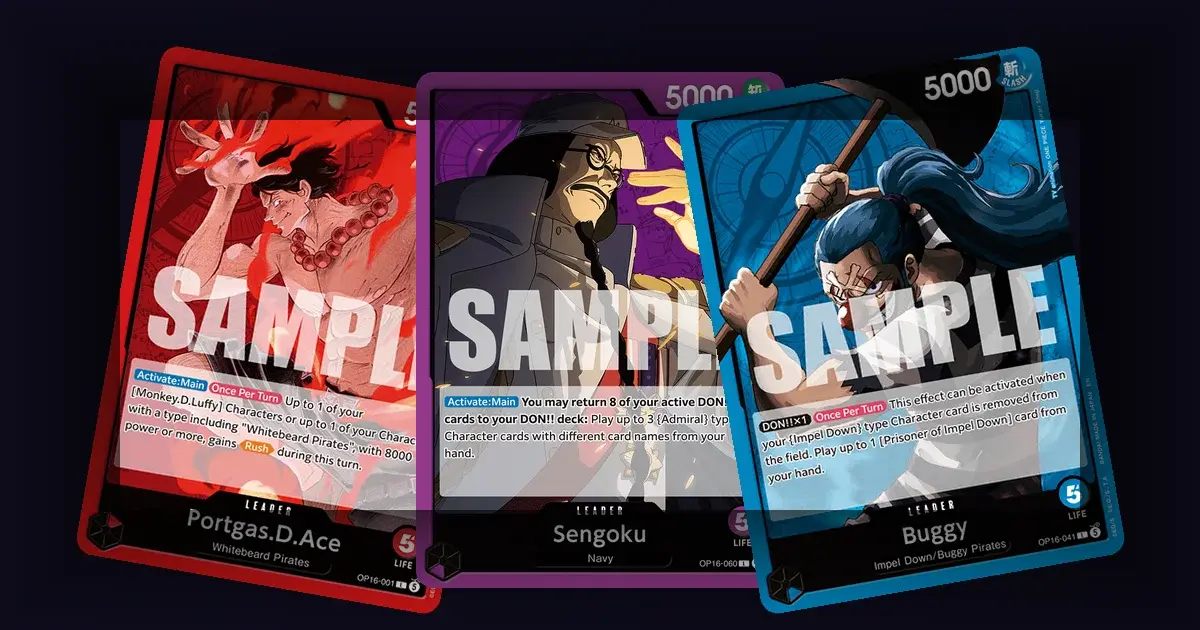
TL;DR: One Piece TCG common beginner mistakes mostly come from habits, not bad cards. The big nine: emptying your hand of counters, over-developing without boosting DON, attacking into blockers, forgetting attached DON returns next turn, blocking when you should take Life (and vice versa), ignoring the opponent's DON before attacking, keeping greedy mulligans, over-extending into removal, and misreading lethal. Fix these in order and your win rate climbs without spending a cent.
Note: Every mistake below is a free fix, it costs attention, not money. Habits beat upgrades for new players.
One Piece TCG common beginner mistakes: quick answer
If you are losing games with a deck you like, the cause is almost always one of these:
- You empty your hand and have no counters to defend.
- You over-develop and never boost attacks, so they bounce off blockers.
- You attack into blockers or into a defender who can Counter.
- You misjudge when to take Life versus block.
The good news: all of these are habits you can fix today, no new cards required.
GODEEPER: New to the rules entirely? Start with the full walkthrough. One Piece TCG How to Play: Rules & Mechanics
1. Emptying Your Hand of Counters
The number one mistake. New players play every card for board presence and reach the opponent's turn with an empty hand, no way to use the Counter step. Then a boosted attack connects that two counter cards would have stopped.
Fix: keep 1-3 counter cards in hand in the mid-game. Treat counter value as defensive ammunition, not leftover cards.
2. Over-Developing, Never Boosting
Dumping all your DON!! into Characters every turn feels productive, but it means your attacks stay small and bounce off blockers and bigger bodies. You build a board that cannot actually threaten anything. The DON!! system explained guide breaks down exactly when to attach versus when to pay costs.
Fix: most turns, develop a little and attach DON!! to push real damage. Plan each turn around one clear goal, board or pressure, not a vague mix.
3. Forgetting Attached DON!! Returns
Players hoard DON!! "to save it," afraid that attaching it to the Leader wastes it. It does not: all DON!! cards attached to cards return to your cost area in an active state during your next Refresh Phase, whether they were active or rested.
Fix: use your DON!! every turn. Boosting an attack costs you nothing long-term; the +1000s are essentially free pressure.
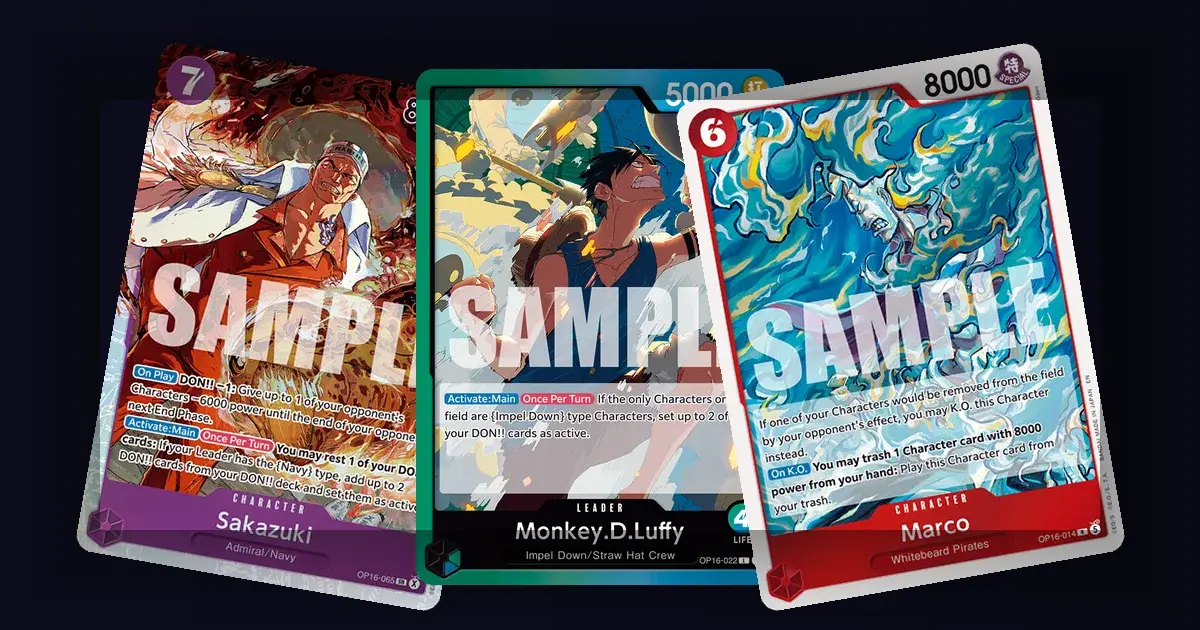
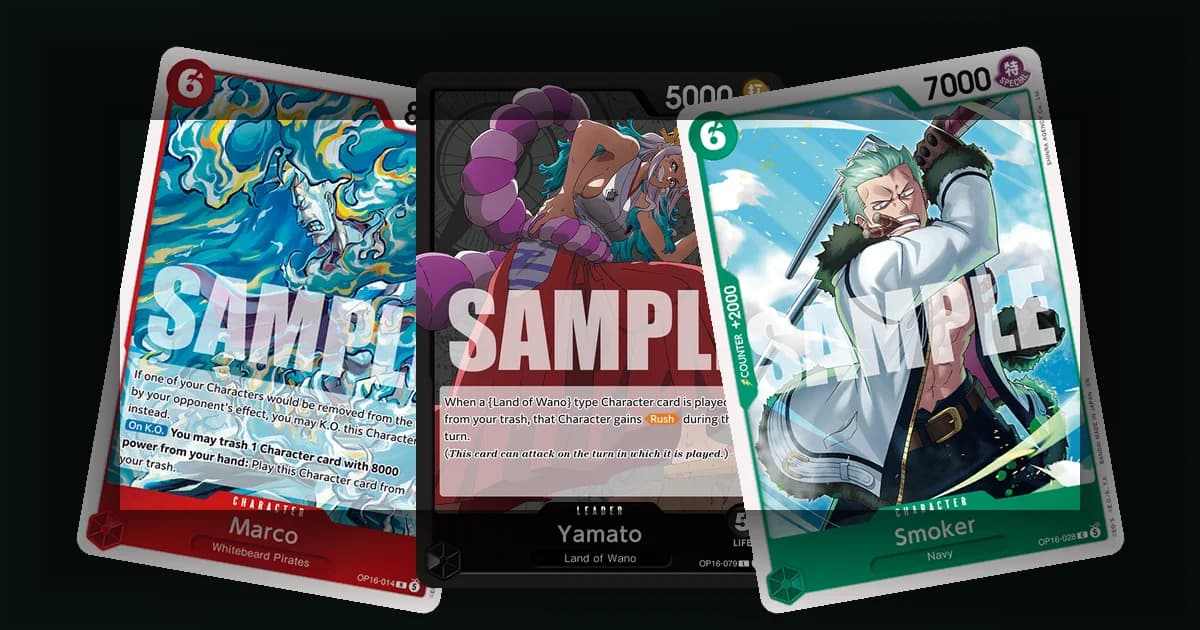
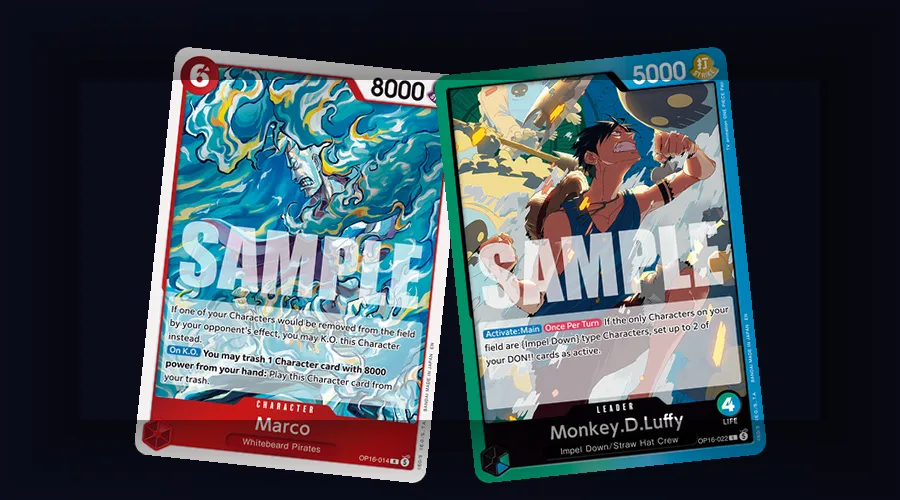 Official sample artwork featuring Marco and Monkey.D.Luffy, used as a visual reference for board development and removal decisions rather than a literal game state.
4. Attacking Into Blockers and Counters
Swinging your best attacker into a board with an active Blocker, or into a defender holding cards, often wastes the attack. The Blocker eats it, or counters push the defender's power above yours.
Fix: before attacking, look at active Blockers and the opponent's hand size. Sometimes you attack specifically to bait a Blocker before sending your real threat.
5. Blocking When You Should Take Life (and Vice Versa)
Beginners often block everything, denying themselves the cards and Triggers that taking Life provides. Others take every hit and die to a Double Attack they should have blocked.
Fix: take Life when you are high and the attacker is plain (no Banish, no Double Attack), block or Counter near zero Life or against those keywords. Taking Life early to refuel is frequently correct.
GODEEPER: This decision deserves its own study. Learn exactly when Life is cheap or expensive. One Piece TCG Life Cards Explained
6. Not Counting the Opponent's DON!!
Attacking without checking the opponent's active DON!! and hand is how "winning" attacks get countered. Their resources tell you how much they can boost on defense.
Fix: before every important attack, count their active DON!! and cards in hand. Then decide how much DON!! you need to attach to push through.
7. Keeping Greedy Mulligans
Holding a hand of powerful, expensive cards with no early plays looks strong and plays dead. There is no penalty to mulligan, you draw five fresh cards.
Fix: mulligan any hand that cannot act on turns 1-2 or lacks your deck's enablers. Curve-out potential beats raw card power in the opening.
8. Over-Extending Into Removal
Committing your whole hand to the board, then watching a single removal or board effect undo three turns of work, is a brutal but common lesson. The deck building guide shows how to structure a hand and board plan that avoids this.
Fix: develop enough to apply pressure, but keep a threat or two in reserve, especially against control colors that play removal. Do not give the opponent a two-for-one.
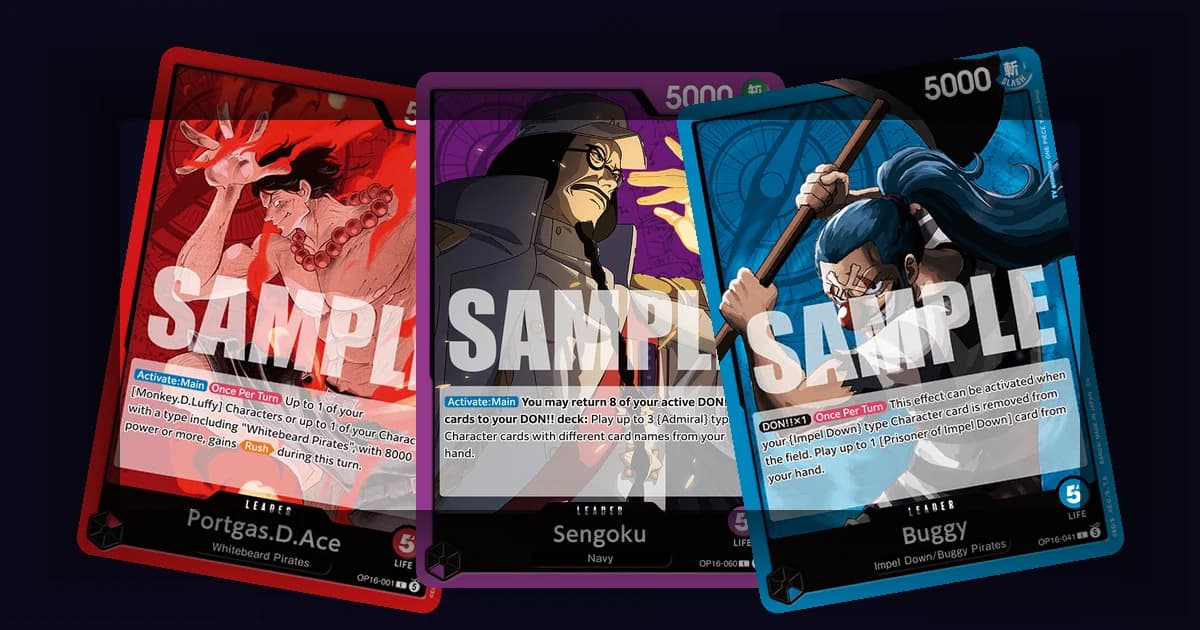
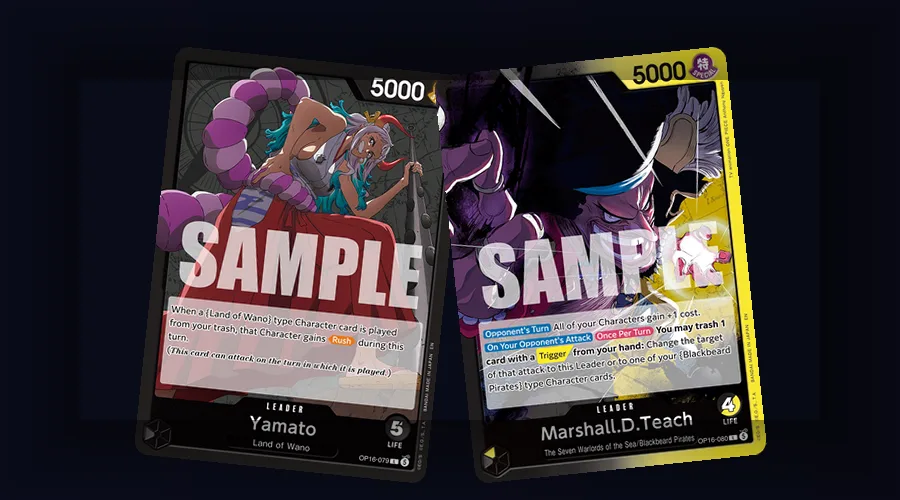 Official sample artwork featuring Yamato and Marshall.D.Teach, used as a visual reference for keeping pressure while respecting removal.
9. Misreading Lethal
Both attacking and defending, new players miscount. They attack for "lethal" that the defender easily counters, or they fail to block a lethal swing they could have survived.
Fix: at low Life totals, slow down and count: their attackers, their possible DON!! boosts, your Blockers, and your counter value. Combat math wins close games, and close games are most games.
Fix Them in This Order
You do not have to fix everything at once. Prioritize:
- Hold counters (mistake 1) , the biggest single win-rate gain.
- Count opponent DON!! before attacking (mistake 6).
- Stop over-extending into removal (mistake 8).
- Learn the take-versus-block read (mistake 5).
Master those four and the rest follow naturally. None cost money, and together they are worth more than any single card upgrade for a new player. If you want to take things to the next level, the tournament guide covers what separates casual-level habits from competitive-level play.
Key Takeaways
- The top mistake is emptying your hand of counters, keep 1-3 in the mid-game
- Develop a little and boost DON!!; do not over-develop with no pressure
- Attached DON!! always returns next turn, so use it every turn
- Take Life early to refuel; block near zero or against Double Attack and Banish
- Count the opponent's DON!! and hand before attacking
- Fix habits before upgrading cards, they raise your win rate for free
Related Reading
-
One Piece TCG Beginner Guide 2026: How to Play & Rules: Core rules, DON!! system, and turn structure for players new to One Piece TCG.
-
Dragon Ball Super Fusion World Beginner Guide 2026: Dragon Ball Super Fusion World beginner guide.
-
One Piece TCG Counter Mechanic Explained: Why holding counters wins games.
-
One Piece TCG Mulligan Guide: Avoiding greedy keeps.
-
One Piece TCG Attack and Battle Rules Explained: The combat sequencing mistakes that trip up new players most.
-
One Piece TCG How to Read a Card: Misreading a card's cost, power, or counter value is where most early mistakes start.
-
One Piece TCG Card Rarities Explained: Understanding rarity keeps new players from overvaluing the wrong cards.
Frequently Asked Questions
Q: What is the most common beginner mistake? A: Emptying your hand of counters. Keep 1-3 counter cards in the mid-game to survive boosted attacks.
Q: Should beginners block every attack? A: No. Take Life early when high and the attacker is plain; block or Counter near zero or vs Double Attack and Banish.
Q: Why do beginners lose with good cards? A: Habits, not card quality, over-developing, attacking into blockers, and emptying their hand of counters.
Q: How many counters to keep? A: Around 1-3 in the mid-game, more against aggro. Do not empty your hand entirely.
Q: Is mulliganing bad? A: No, there is no penalty. Mulligan any hand with no early plays or missing your enablers.
Q: How do beginners improve fastest? A: Hold counters, count opponent DON!!, stop over-extending, and learn the take-versus-block read.
References
- One Piece Card Game Official Rules: the rules index for each habit
- Official Rule Manual (PDF): Refresh Phase, DON!!, battle, and opening-hand rules
- Official Rules Q&A (PDF): Blocker, Banish, Double Attack, and Trigger rulings
- Limitless TCG OPTCG: tournament lists and play patterns
- r/OnePieceCardGame: community new-player advice
About the author
Pen name for the Shonen TCG desk's tournament coverage, format analysis and cross-game comparisons.
- Results taken from event pages and standings
- Other games checked against their own official rules
- Opinions marked as ours, with the reason
Keep reading
One Piece TCG Attacking Rules: Targets, Blocks and Ties
Guides · 6 min
One Piece TCG How to Read a Card: 6 Things to Check
Guides · 6 min
One Piece TCG Locals Etiquette Guide: Play Right at Events
Guides · 7 min
One Piece TCG Sleeves and Accessories: What to Buy First
Guides · 6 min
One Piece TCG Life Cards: Face-Down, Damage and Triggers
Guides · 6 min
One Piece TCG Keywords Explained: Rush, Blocker & More
Guides · 9 min
One Piece TCG DON Cards: 10 Per Deck, Rest or Attach
Guides · 6 min

OP-17 Release Date: Asia English (Philippines), US, Japan
News · 4 min
Disclaimer
This article is published for informational and entertainment purposes. It does not constitute professional financial, legal, or technical advice. Game performance, online services, patch schedules, and store listings change. Verify critical details (pricing, system requirements, regional availability) with publishers and storefronts before you buy. Affiliate links, where present, help support our editorial work and are labelled in our affiliate disclosure.