

Shonen TCG · Guides
One Piece TCG Mulligan Guide: When to Keep or Redraw
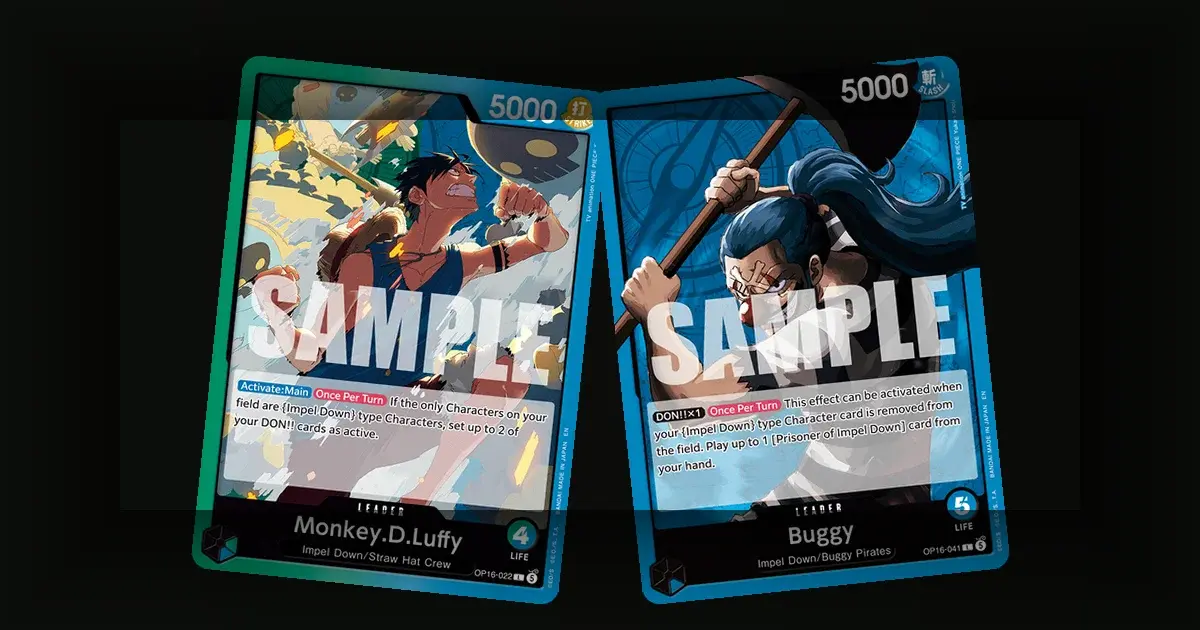
TL;DR: This One Piece TCG mulligan guide covers the rule: draw five, then optionally shuffle the whole hand back and draw five new, once. Keep hands that can act on turns 1-2 and contain your deck's enablers; mulligan hands with no early plays or all high-cost cards. The redraw does not reduce hand size, but it is random and final. Going first values early plays more (no turn-1 draw); going second can keep slightly slower.
One Piece TCG mulligan guide: quick answer
The mulligan is the first decision of every game, and getting it right wins more games than most players realize.
The rule: each player draws five cards to start. You may then mulligan once, shuffle your entire hand back into the deck and draw five new cards. It is all-or-nothing: you cannot keep some and replace others. There is no hand-size penalty, because the new hand still has five cards.
The principle: because the redraw keeps your hand at five cards, you can send back a hand that cannot execute your early game. The new hand is random and final, though, so do not throw away a functional hand chasing a perfect one. A keepable hand has early plays, your deck's enablers, and ideally a counter or two.
GODEEPER: New to the game? Learn the turn structure and DON!! system first. One Piece TCG How to Play: Rules & Mechanics
Step-by-Step: How the Mulligan Works
The sequence at game start, in order:
1. Set your Leader. Both players reveal and set their Leader card face up before anything else happens.
2. Draw your opening hand. Each player draws an opening hand of five cards from their deck.
3. Decide whether to mulligan. Starting with whichever player is going first, each player decides in turn whether to keep their hand or mulligan.
4. Shuffle and redraw if you mulligan. Shuffle all five cards back into your deck, then draw five new cards. You keep this new hand, there is no second mulligan.
5. Set your Life cards last. Only after both players have finished their mulligan decisions do you place your Life cards face down from the top of your deck.
You only get one mulligan, so the second hand is final. If your first five cannot do what your deck needs early, shuffle them away and try again. A fresh five is often better than a hand that strands you, but a functional hand is usually worth keeping because the redraw is random.
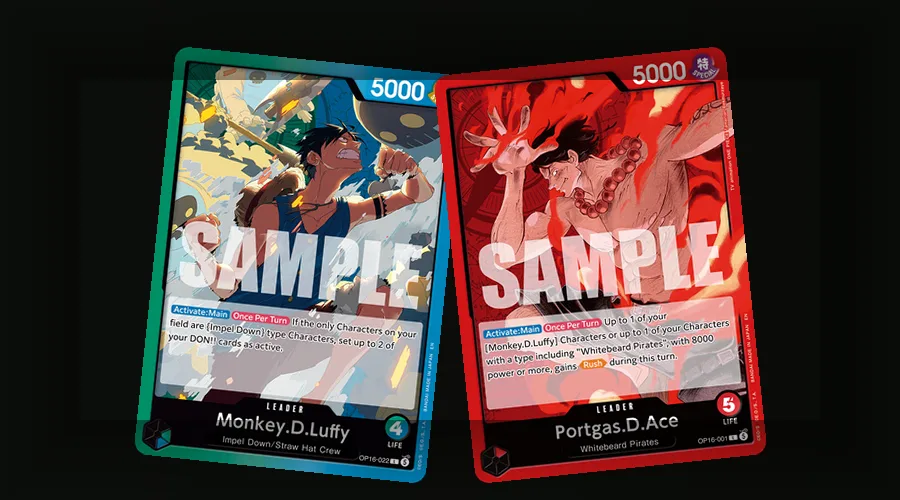 At game start you draw five, then may shuffle the whole hand back for five new cards once. The redraw does not reduce hand size, so judge the first hand by whether it can execute your early game.
What Makes a Keepable Hand
A good opening hand answers three questions yes:
1. Can I act on turns 1-2? You want low-cost Characters or plays so you are not passing your first turns. Dead early turns put you behind, especially against aggro.
2. Does it have my enablers? Every deck has key support: ramp pieces for a Purple deck, search or draw for a consistency deck, the engine card for a combo deck. A hand missing your enablers often cannot function.
3. Do I have any defense? A counter or two, or an early blocker, lets you survive the opponent's pressure while you set up. Not mandatory, but a strong plus.
A hand that hits all three is a clear keep. A hand that hits none is a clear mulligan. Most decisions are in between, and that is where deck knowledge matters.
When to Mulligan
Consider a mulligan when your hand has:
- No low-cost plays: all 4+ cost cards mean dead opening turns. Mulligan.
- No enablers: if your deck needs a specific support piece to function and the hand lacks it, mulligan.
- No early defense against aggro: if you expect a fast opponent and have no counters or blockers, lean toward mulligan.
- A clump of one thing: five Characters and no Events, or five Events and no bodies, is usually unbalanced. Mulligan.
Keep hands that curve out and contain your tools, even if they lack a flashy bomb. Curve-out potential beats raw power in the opening, because a hand that does something every turn out-tempos a hand of expensive cards that sit dead.
First vs Second Player
The turn order changes your standards slightly:
- Going first: you do not draw on turn one, so you are effectively a card behind in tempo. Value early plays more highly and mulligan marginal hands, since you cannot rely on a turn-1 draw to fix them.
- Going second: the extra early draw helps you catch up, so you can keep slightly slower hands. You also have more information by your first real turn.
This is a small adjustment, but at a competitive level it matters: the same five-card hand can be a keep on the draw and a mulligan on the play.
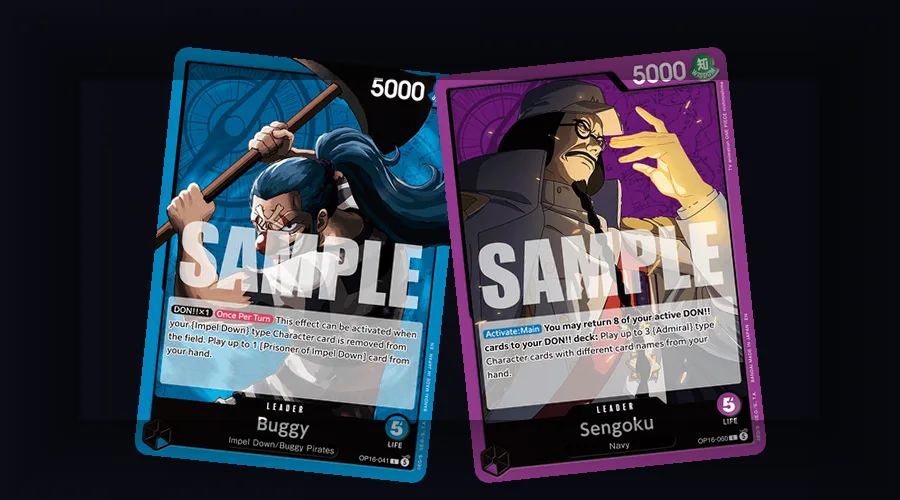 A keepable hand curves out with early plays and your deck's enablers. Curve-out potential beats raw card power in the opening.
Mulligan by Leader Type
Tune your mulligan to what your deck must do early:
- Aggro (e.g. Red burn): mulligan for low-cost attackers and a fast curve. You want to pressure from turn one.
- Swarm (e.g. Blue go-wide): keep hands that flood the board with cheap bodies; mulligan slow hands.
- Ramp (e.g. Purple): mulligan for ramp enablers plus an early play, so you accelerate on schedule.
- Control/grind (e.g. Black/Yellow): keep early defense and your key tools; you can afford a slightly slower hand if it survives.
- Combo/engine: mulligan hard for your key piece; without it the deck does not function.
The common thread: identify the one or two things your deck must do in its first three turns, and mulligan toward them. For a deeper look at how to build decks that mulligan consistently, the One Piece TCG deck building guide covers curve construction and how to set the right ratio of low-cost plays.
Common Mulligan Mistakes
- Keeping greedy hands: holding a hand of powerful expensive cards with no early plays. It looks strong and plays dead.
- Mulliganing keepable hands out of fear: a hand with curve and enablers is a keep even without a bomb; do not chase perfection.
- Ignoring turn order: keeping on the play a hand you would only keep on the draw.
- Not knowing your deck: the right mulligan depends on your deck's enablers, so learn what your build needs before you play. If you are still learning which leaders demand the fastest early curves, the One Piece TCG best leaders guide ranks the all-time leaders by archetype and explains what each one needs in its opening hand.
A Quick Mulligan Checklist
When you look at your opening five, run a fast mental checklist rather than agonizing. First, can I do something on turns 1-2? If no, lean mulligan. Second, do I have at least one of my deck's enablers (ramp, search, or the engine piece)? If no, lean mulligan. Third, do I have any defense or a reasonable curve, not five cards of one type? If the hand fails two of these three, shuffle it back. The redraw keeps five cards, but it is random, so keep a marginal hand when it already supports the deck's plan. If it passes two or three, keep it even without a flashy bomb. This three-question scan takes seconds and removes most of the guesswork. Over many games, disciplined mulligans, keeping functional hands and shipping dead ones, add up to a meaningful improvement in decision quality.
Key Takeaways
- Mulligan once: shuffle the whole hand back, draw five new, and keep the second hand
- Keep hands with early plays, your enablers, and ideally some defense
- Mulligan hands with no low-cost plays or all high-cost cards
- Curve-out potential beats raw card power in the opening
- Going first values early plays more (no turn-1 draw); going second can keep slower
- Tune your mulligan to what your specific leader must do early
GODEEPER: Counters are part of a good keepable hand. The counter guide covers how they win games. One Piece TCG Counter Mechanic Explained
Related Reading
-
OP-16 Japanese vs English Price Guide: Which to Buy: OP-16 Japanese vs English price guide.
-
One Piece TCG Attack and Battle Rules Explained: How the early plays you keep actually attack and defend.
-
One Piece TCG DON Card System Explained: The resource your kept hand spends every turn.
-
One Piece TCG Keywords Explained: Rush, Blocker, and other keywords worth mulliganing toward.
-
One Piece TCG Beginner Guide 2026: Start here if you are new.
-
OP-16 All 6 Leaders Explained: Leader-specific early-game needs.
Frequently Asked Questions
Q: How does the mulligan work? A: Draw five, then optionally shuffle all five back and draw five new, once. All-or-nothing, no penalty.
Q: Is there a penalty? A: There is no hand-size penalty, so you draw five fresh cards. The redraw is random and final, though, so use your deck's early-game plan instead of throwing back every marginal hand.
Q: What makes a keepable hand? A: Early plays (turns 1-2), your deck's enablers, and ideally a counter or two for defense.
Q: Always mulligan with no low-cost cards? A: Usually yes. No early plays puts you behind, especially vs aggro, unless you are a slow control deck with an exceptional payoff.
Q: Does going first change it? A: Yes. Going first you skip the turn-1 draw, so value early plays more and mulligan marginal hands. Going second can keep slower.
Q: How does it differ by leader? A: Mulligan toward what your deck must do early, attackers for aggro, enablers for ramp, the key piece for combo.
References
- One Piece Card Game Comprehensive Rules: current mulligan, setup, and first-turn draw rules (Sections 5-2 and 6-3)
- One Piece Card Game Official Site: game flow reference
- Limitless TCG OPTCG: deck lists for leader-specific mulligan targets
- r/OnePieceCardGame: community mulligan discussion
- One Piece Card Game Deck Builder: test opening hands
Was this guide helpful?
About the author
Pen name for the Shonen TCG desk's tournament coverage, format analysis and cross-game comparisons.
- Results taken from event pages and standings
- Other games checked against their own official rules
- Opinions marked as ours, with the reason
Keep reading
OP-16 Japanese vs English Price Guide: Which to Buy
Guides · 10 min
OP-16 Where to Buy: Post-Launch Buying Guide for 2026
Guides · 10 min
One Piece TCG DON Cards: 10 Per Deck, Rest or Attach
Guides · 6 min
One Piece TCG Counter Rules: Counter Step and Values
Guides · 11 min
OP-16 Full Card List & Spoilers: What's in the Set
Guides · 10 min
OP-16 Most Expensive Cards: Best & Top 6 Chase Picks
Guides · 7 min
One Piece TCG Keywords Explained: Rush, Blocker & More
Guides · 9 min
One Piece TCG Life Cards: Face-Down, Damage and Triggers
Guides · 6 min
Disclaimer
This article is published for informational and entertainment purposes. It does not constitute professional financial, legal, or technical advice. Game performance, online services, patch schedules, and store listings change. Verify critical details (pricing, system requirements, regional availability) with publishers and storefronts before you buy. Affiliate links, where present, help support our editorial work and are labelled in our affiliate disclosure.