Loading…
Shonen TCG · General
OP-16 Marco Deck Guide: Phoenix in Whitebeard 2026
Reviewing
One Piece TCG
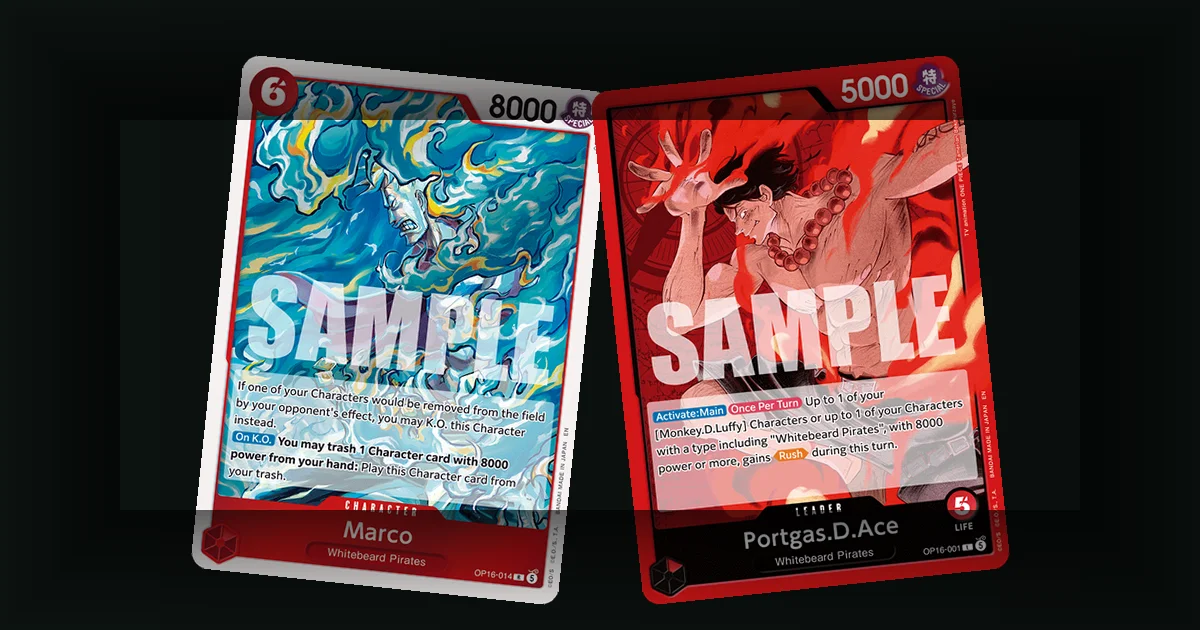
This OP-16 Marco deck guide focuses on the competitive depth that the basic build overview skips: the exact timing windows where Marco the Phoenix earns his place, why resilience as a mechanic beats raw blocking stats in the current meta, and how to sequence him for maximum return in the EN format.
TL;DR: The OP-16 Marco deck guide to competitive timing.
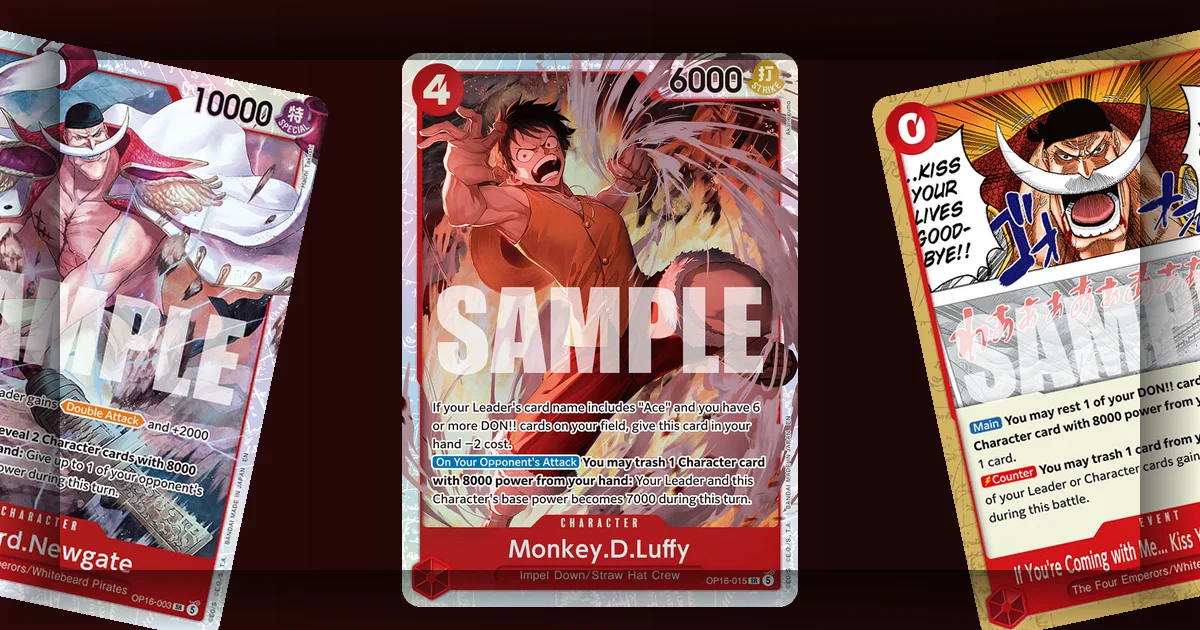
OP16-014
OP-16 Marco deck guide: what Phoenix resilience actually means
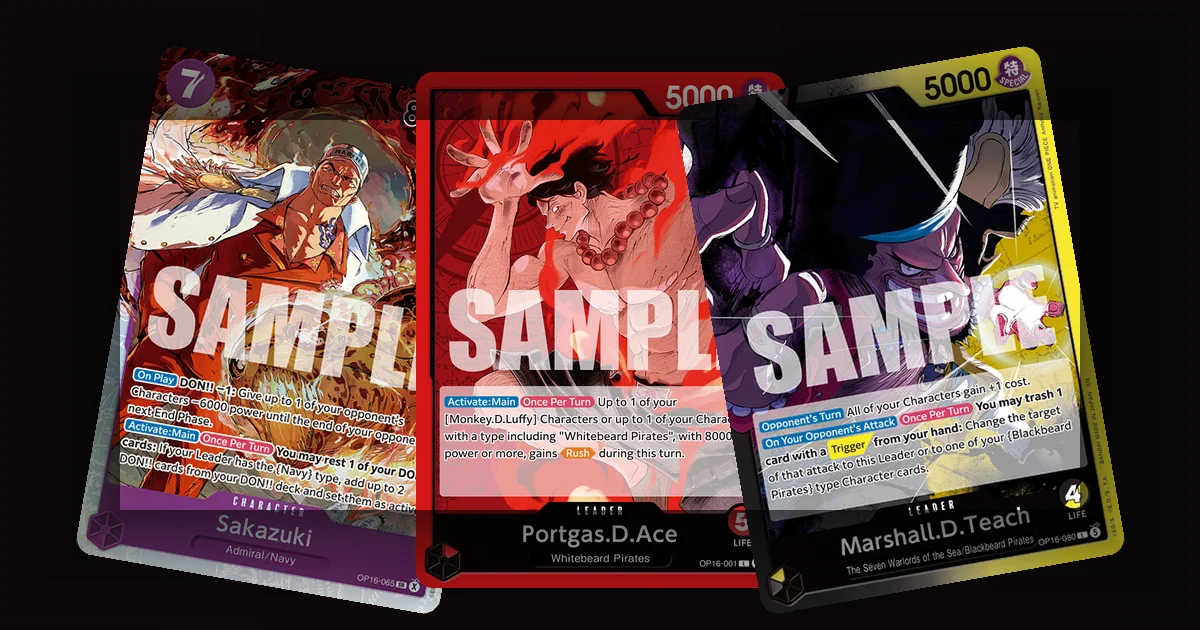
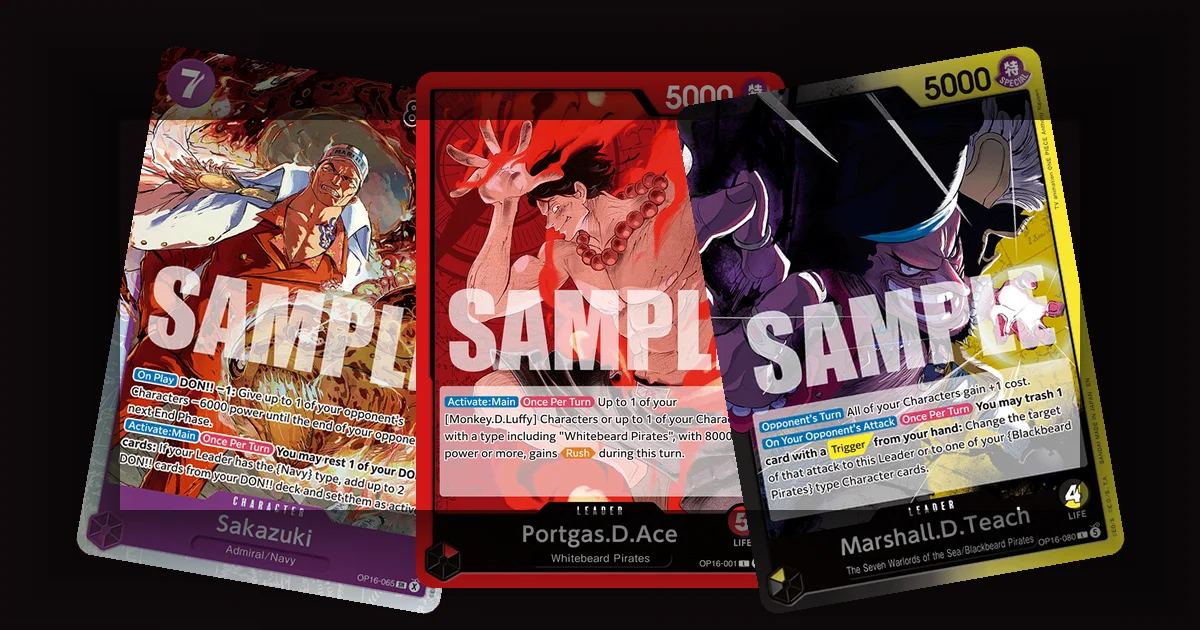
Before the strategic detail, the common misconceptions worth clearing up. Marco (OP16-014) is a CHARACTER card, not a Leader. His Phoenix identity refers to his in-universe title (Marco the Phoenix, whose Devil Fruit grants regeneration), not to a special card rarity. OP-16's three Manga Rares are the Three Admirals (Sakazuki, Kuzan, Borsalino), all Navy Characters for Sengoku's Purple deck. Marco is not one of them.
Marco belongs to the Whitebeard Pirates, which puts him in Ace's Red deck (OP16-001), not in Sengoku's Navy shell. That distinction matters for deckbuilding: you cannot legally mix the Purple Sengoku shell with Marco's Whitebeard crew affiliation and expect consistent synergy. If you want a guide on Sengoku's Three Admirals, the OP-16 Three Admirals guide covers Sakazuki, Kuzan, and Borsalino in the Navy ramp deck.
What Marco brings to Ace's deck is the theme his nickname promises: endurance. A blocker that blocks once and dies changes the math on one attack. A Character with genuine resilience changes how many resources the opponent must spend across multiple turns to clear the board. That difference is what this guide is about.
GODEEPER: Want the full structure of the deck Marco supports? OP-16 Ace Deck Guide covers the Whitebeard burn shell from leaders to counter Events.
Why resilience beats raw power in the current EN meta
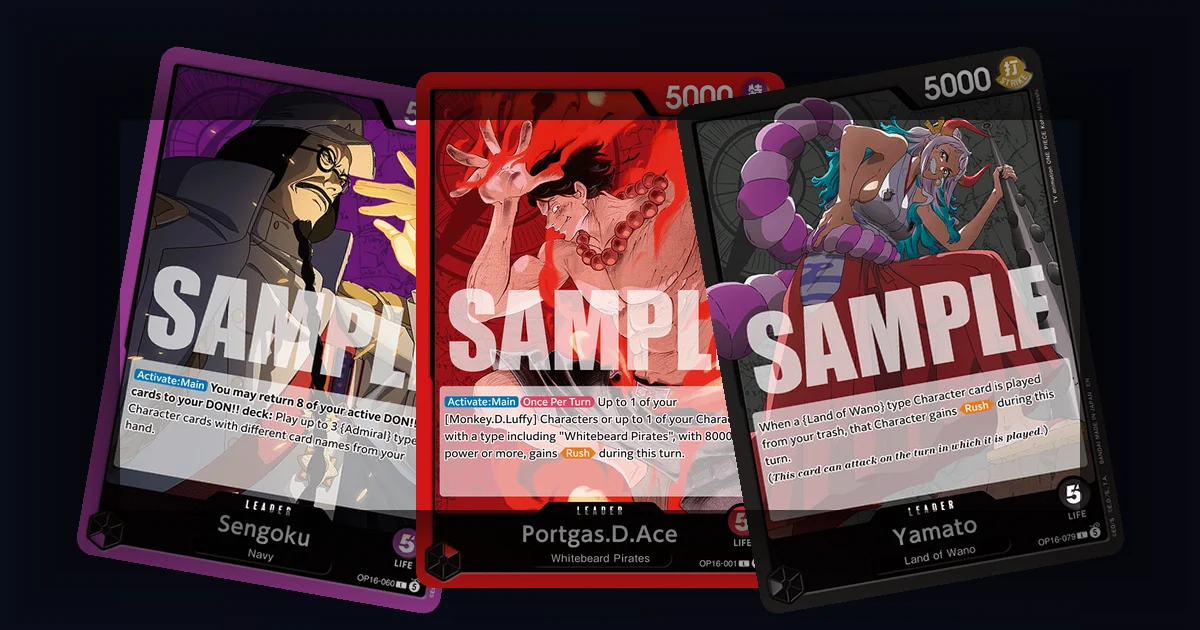
The EN week 1 meta data (Limitless TCG, first two weeks post-June 12 launch) confirms three S-tier decks: Blackbeard (Black/Yellow redirect), Luffy (Blue/Green tempo), and Yamato (Black trash recursion). Ace underperformed the S-tier trio in JP week 1, which is exactly the context where Marco's specific value becomes clear.
Against Yamato's trash recursion, the opponent replays Characters from the trash with Rush, generating surprise attacks that punish fragile boards. A single blocker that dies to the first Rush Character leaves your side exposed. Marco's resilience eats multiple Rush attacks before he goes, which buys the turns Ace's burn needs to close. Without him, Ace's board collapses under Yamato's recursion pressure before the burn resolves.
Against Luffy's Blue/Green tempo, the opponent pressures from multiple Character pools. A narrow blocker gets traded off efficiently. A resilient Character forces the opponent to invest more resources into the trade, slowing their tempo engine and creating the opening for Ace's burn to overtake them.
The pattern: the current meta rewards Characters that do not die to the first interaction. Marco is designed for exactly that. His Phoenix identity is not cosmetic; it is his competitive justification.
The deployment timing window
This is the detail most introductory guides skip. Marco is not a late-game payoff like Akainu (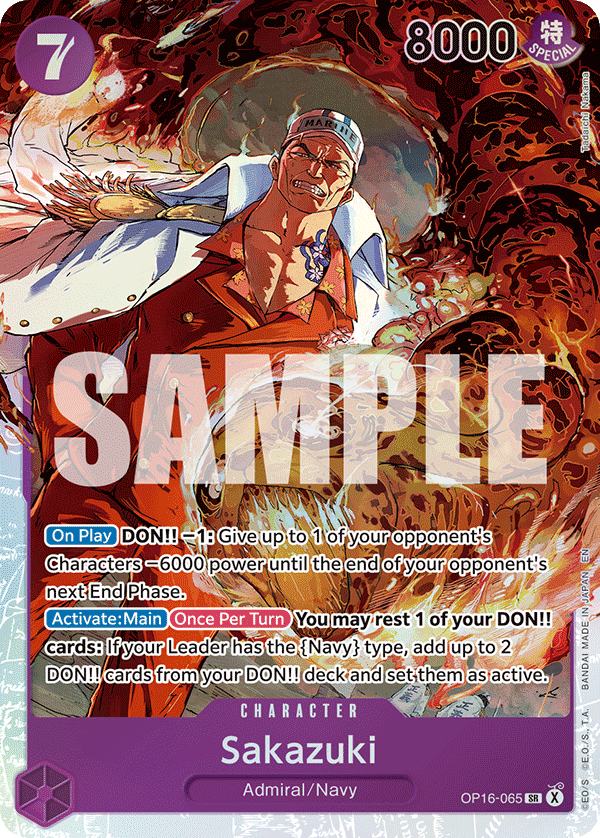 OP16-065OP16-065Shop on TCGplayer) or a ramp enabler like the Navy support package in Sengoku's deck. He is a turns 2-3 defensive anchor, and deploying him outside that window reduces his value significantly.
Here is why the timing matters:
Turn 2-3 deployment (optimal): Marco comes down early enough that his blocking resilience is relevant across multiple attack phases. The opponent must spend resources dealing with him while Ace's burn plan develops. He gets full value from his design.
Turn 4-5 deployment (suboptimal): By this point, aggressive decks have already pushed significant Life damage. A blocker arriving after your Life total has dropped several times is worth less because the opponent's damage clock is already advanced. Marco as a mid-game play is still useful but costs you the early stabilization he was designed to provide.
Holding Marco until turn 6 or later (actively harmful): In the matchups where you need his resilience most (Yamato, Luffy), holding Marco gives the opponent the free early turns to build a position he cannot stabilize against. A resilient blocker only helps if he is in play during the attacks he is supposed to eat.
The practical rule: lead with Marco in any matchup where you expect multiple attacks per turn in the early game. Against slower control decks, you can afford to wait a turn, but defaulting to turns 2-3 is always the safer line.
How to sequence the Whitebeard shell around Marco
The Ace Whitebeard deck works in two concurrent tracks: Ace's burn plan generating damage, and the defensive shell (led by Marco) keeping your board alive long enough for the damage to resolve.
The sequencing problem most players make is treating these tracks as sequential. They spend early turns purely on blocking (Marco, other cheap crew), then switch to burn plays. This is wrong. The two tracks need to run simultaneously.
Correct early game sequencing:
Turn 1: Deploy the cheapest Whitebeard crew you can afford for immediate board presence. Do not hold for Marco if the board is empty.
Turn 2-3: Marco comes down, establishing the resilient blocker. Simultaneously, Ace's burn triggers begin converting Life pressure. Marco blocks while the burn clock runs.
Turn 3-5: Layer additional Whitebeard crew behind Marco's cover. Each Character the opponent must spend resources on to clear through Marco is a Character they are not using to advance their own plan.
Turn 5+: Ace's accumulated burn, backed by an intact board, closes the game. Marco ideally still has value at this point, either blocking the opponent's last attempts to stabilize or forcing their removal onto him instead of Ace's burn pieces.
Marco the Phoenix (OP16-014) runs the two-track play: early defensive resilience while Ace's burn plan builds damage simultaneously, not sequentially.
Marco vs. Garp: not a comparison
A common question in OP-16 community threads is whether Marco or 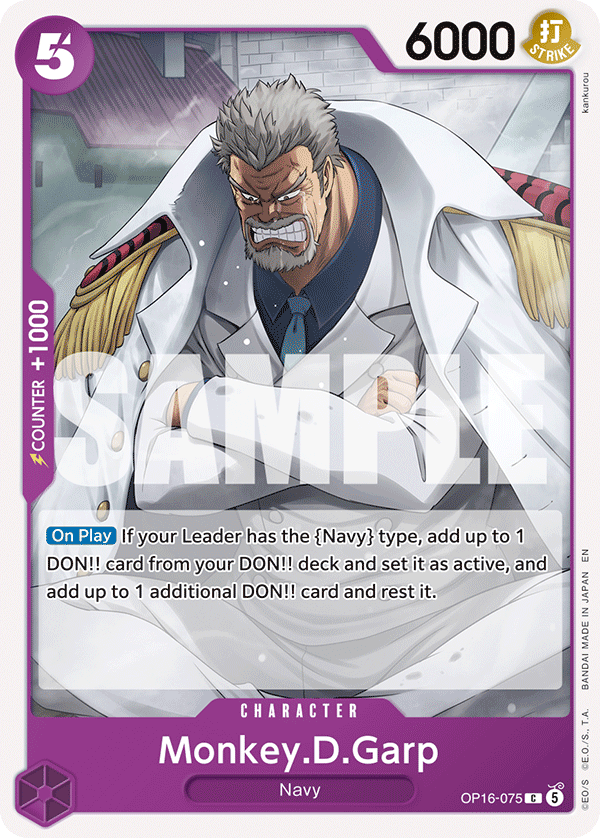 OP16-075OP16-075Shop on TCGplayer Garp is the better defensive Character. This comparison is a category error.
Garp belongs to the Navy affiliation and is a support piece in Sengoku's Purple deck, not Ace's. You cannot build a legal Ace Whitebeard deck that uses Garp as a defensive substitute for Marco, because Sengoku's Navy shell and Ace's Whitebeard shell are separate archetypes with different color requirements and Character affiliations.
Garp's value in the Sengoku context is that he extends the Admiral payoff package, giving Sengoku a secondary pressure piece behind Sakazuki, Kuzan, and Borsalino. His defensive characteristics make sense in the Purple ramp deck where he arrives mid-curve after the DON!! ramp has developed.
Marco's value in the Ace context is early resilience that keeps the aggressive burn plan alive. Same surface description (defensive Character), completely different functional roles in completely different decks.
If you want a detailed breakdown of Garp's positioning in Sengoku's Navy, the OP-16 Garp deck guide covers his Navy synergies in depth.
GODEEPER: Garp's role in the Navy ramp shell is covered in full. OP-16 Garp Deck Guide
Card count and the 3-copy argument
Most competitive EN week 1 Ace lists that posted positive results ran 3 copies of Marco. The logic is straightforward:
Running 2 copies makes the resilience package inconsistent. You draw him turn 2 in some games and never in others. The games where Marco does not appear in the early game feel like a different, worse deck: pure aggro with no defensive spine, which is exactly what folds to Yamato's recursion pressure and Luffy's tempo. The whole strategic identity of the "Ace with Marco" build over pure Ace aggro is the resilience consistency. Running 2 copies undercuts that.
Running 4 copies is occasionally seen in local builds optimizing for very heavy aggression metas, where the priority on drawing Marco early outweighs the cost of drawing him too late (a fifth-turn Marco in a control matchup is nearly dead weight). For most EN metas, 4 copies slightly over-indexes on the defensive package at the cost of consistency elsewhere.
3 copies is the number that appears at the top of community tier lists and in the EN week 1 event decklists. Stick to 3 unless your local meta is dramatically skewed.
Building the Phoenix package for EN 2026
The practical deck structure for EN week 1 and beyond:
Leader: Ace (OP16-001), Red, Whitebeard Pirates.
Marco package: 3 copies of OP16-014. Non-negotiable for the resilient version of the deck.
Burn enablers: the Whitebeard family-bond triggers that convert Life into damage. These are the reason the deck closes games; Marco buys the time, the burn provides the clock.
Counter Events: protect Marco at key moments. When the opponent is targeting Marco specifically to remove your defensive spine, counter Events extend his turns on board significantly. The rule of thumb is to counter Events when protecting Marco means two or more additional attack phases are blocked.
Low-cost Whitebeard crew: fills out the curve below Marco and behind him. Ensure enough bodies that the board is not empty even when Marco is being contested.
For a detailed card-by-card breakdown with specific copies and alternatives, the OP-16 Ace deck guide covers the full list from leader to counter Events.
Matchup notes beyond Yamato and Luffy
The resilience-beats-raw-power section above covers Marco's role against Yamato's trash recursion and Luffy's tempo pressure in detail. Two more matchups round out the picture:
vs Sengoku (Purple Navy control): Favorable if Ace closes before Sakazuki and the ramp package stabilize. Marco protects the board from single-target removal, which is exactly the tool Sengoku's Navy shell leans on to pick off threats one at a time.
vs Blackbeard (Black/Yellow redirect control): The hardest matchup for the Ace shell. Blackbeard's attack redirection can absorb the very attacks Marco's resilience is designed to force through, blunting the two-track race. Lean on burn effects that bypass blockers entirely rather than relying on combat damage to close. For how the redirect mechanic works from Blackbeard's side, see the OP-16 Blackbeard Deck Guide.
Marco in sealed and limited play
Marco's resilience is worth even more outside constructed. Sealed and limited pools are slower and less consistent than a tuned 50-card list, so a Character that blocks repeatedly and survives buys enormous time regardless of what else you opened. If you pull Marco at a pre-release, build your pool toward holding the board: pair him with whatever Red or Whitebeard pieces you have and grind the game long rather than racing. His resilience turns close sealed games into wins through attrition in a format where nobody's deck is optimized yet. This cross-format value is part of why Marco holds up as a single beyond the tuned Ace constructed list.
Common mistakes in the Phoenix build
Holding Marco for a "better moment." His value is front-loaded. Playing him turns 2-3 extracts full defensive value; holding him for a theoretical perfect moment in a fast meta costs you real early attacks you cannot recover.
Confusing Marco with Sengoku's Navy payoffs. Garp and the Admirals go in the Purple deck. Marco is for Ace's Red deck. Building across the archetype boundary creates color and affiliation conflicts.
Treating Marco as the win condition. He is support. The win condition is Ace's burn. If you are devoting counter Events to protecting Marco while your burn plan is stalled, you have inverted the priority.
Not running enough counter Events. Marco's resilience window is extended significantly by one well-timed counter. Undersupplying counter Events forces Marco into trades he would otherwise survive, which collapses the defensive spine earlier than it should.
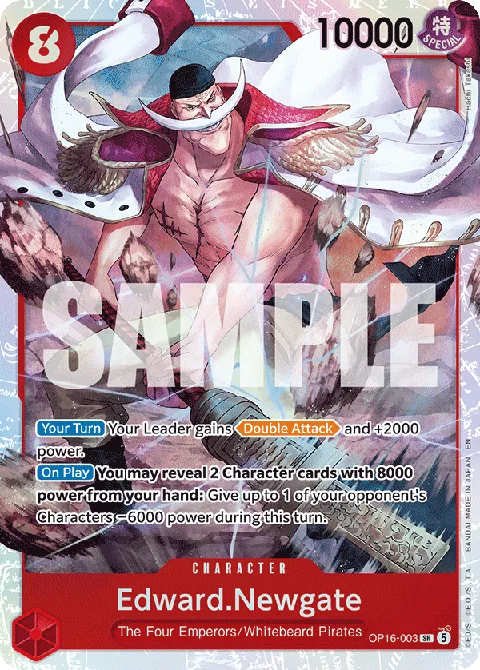 Edward Newgate (OP16-003) is the Whitebeard Pirates patriarch whose trait ties the entire Ace shell together, letting Marco's defensive role serve the burn clock.
Key Takeaways
- Marco the Phoenix (OP16-014) is a Whitebeard Pirates CHARACTER in Ace's Red deck, not Sengoku's Navy
- He is not one of OP-16's three Manga Rares (those are the Three Admirals: Sakazuki, Kuzan, Borsalino)
- Phoenix resilience is most impactful deployed turns 2-3, not held for the mid or late game
- Run 3 copies for consistent early defensive presence
- Garp (OP16-075) goes in Sengoku's Navy deck; Marco and Garp are not substitutes for each other
- EN meta context: S-tier is Blackbeard, Luffy, and Yamato; Ace's resilience via Marco is the answer to their early-game pressure
Related Reading
- OP-16 Ace Deck Guide: Whitebeard Pirates Burn Build: The complete deck Marco supports, from Leader to counter Events and matchup breakdown.
- OP-16 Three Admirals Guide: Sengoku Navy Deck Roles: The Manga Rare chase cards and their roles in the Purple Navy deck that Marco does not belong to.
- OP-16 All 6 Leaders Explained: Why Marco is a Character, not one of the six leaders, and how the six leaders map to play styles.
- OP-16 Garp Deck Guide: Garp's Navy synergies in Sengoku's deck for comparison.
- One Piece TCG OP-16 Complete Guide: Full set overview including leaders, Characters, and collector content.
- OP-16 Meta Tier List Week 1: Where Marco ranks against every other OP-16 leader and returning deck.
- OP-17 Spoilers Complete Tracker: Every confirmed OP-17 leader, card, and release detail as spoilers drop.
Frequently Asked Questions
Q: Is Marco the Phoenix a Manga Rare in OP-16? A: No. OP-16's three Manga Rares are the Three Admirals (Sakazuki, Kuzan, Borsalino). Marco (OP16-014) is not a Manga Rare. He is a Whitebeard Pirates Character in Ace's Red deck.
Q: What deck does Marco the Phoenix go in? A: Ace's Red Whitebeard Pirates deck (OP16-001). Not Sengoku's Navy deck.
Q: When is the best time to play Marco? A: Turns 2-3. His Phoenix resilience is most impactful early, eating multiple attacks while Ace's burn plan builds. Holding him beyond turn 3 in aggressive matchups reduces his value.
Q: How many copies of Marco should I run? A: 3 copies. That number appears consistently in competitive EN week 1 lists. Fewer than 3 makes the resilience package inconsistent.
Q: Is Marco better than Garp in Ace's deck? A: Garp (OP16-075) is a Navy Character for Sengoku's Purple deck. He is not a legal substitute for Marco in Ace's deck. Different affiliations, different builds.
Q: Does Marco work in decks other than Ace? A: His Whitebeard Pirates affiliation ties him to Ace's Red deck in OP-16. Cross-deck use depends on his cost and color; check the EN card list on Limitless TCG.
Q: How does Marco compare to the Three Admirals in terms of value? A: The Admirals are the Manga Rares and carry much higher price tags. Marco is a standard print Character. His value is competitive, not collector-driven.
References
- OP-16 The Time of Battle Official Page: Official card list and Whitebeard Pirates character data
- Limitless TCG OPTCG: EN week 1 tournament data and card database
- One Piece Card Game Official Rules: Character vs Leader rules and DON!! system explained
- r/OnePieceCardGame: Community EN week 1 analysis and Phoenix deck discussion
Was this guide helpful?
Cards in this article
About the author

TCG Deck Analyst
Former card game tournament organiser turned analyst. Covers One Piece TCG meta, deck efficiency, and card valuation. Builds spreadsheets for decks most people just play.
- Regional TCG tournament organiser
- One Piece TCG meta specialist
- Competitive deck analysis
Disclaimer
This article is published for informational and entertainment purposes. It does not constitute professional financial, legal, or technical advice. Game performance, online services, patch schedules, and store listings change. Verify critical details (pricing, system requirements, regional availability) with publishers and storefronts before you buy. Affiliate links, where present, help support our editorial work and are labelled in our affiliate disclosure.