Loading…
Loading…
Shonen TCG · Guides
OP-17 leader preview: all 6 confirmed leaders, card effects, and early post-release deck potential for The World's Strongest Warriors in 2026.
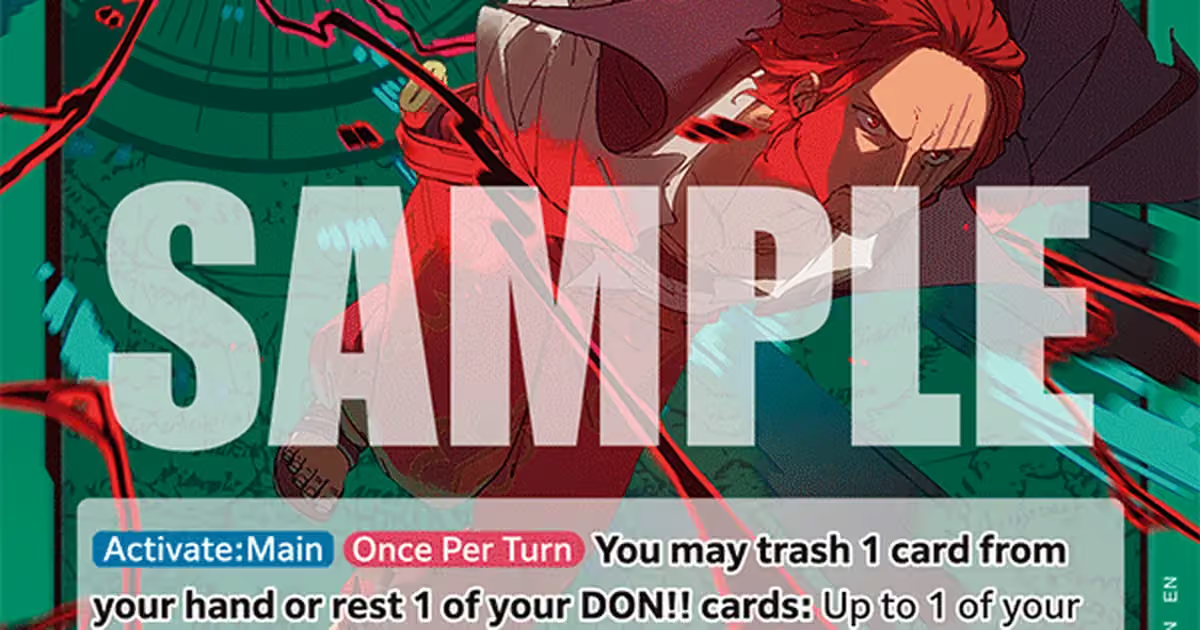
Reviewing
One Piece Card Game
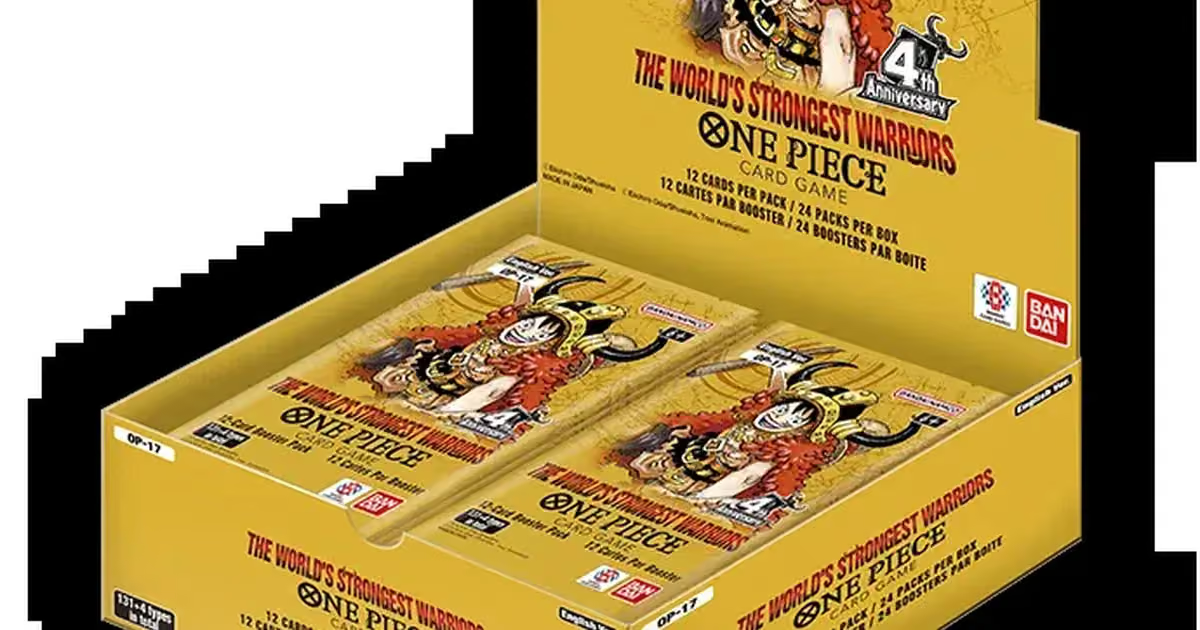
This OP-17 leader preview is now a post-release reference for all six leaders in The World's Strongest Warriors. Bandai's official card lists identify Edward Newgate 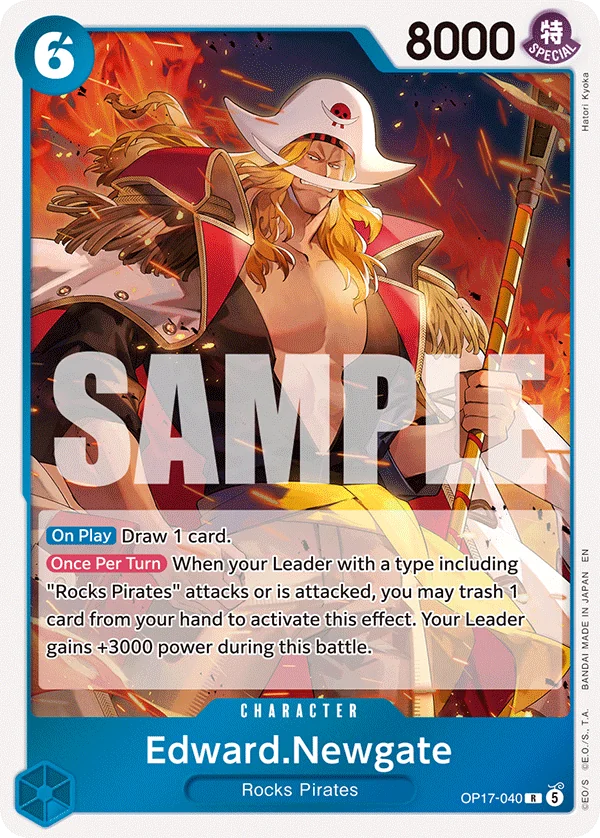 OP17-040OP17-040Shop on TCGplayer/Whitebeard (Red), Monkey D. Luffy (Black), Shanks (Green), Kaido (Purple), Charlotte Linlin/Big Mom (Yellow), and Rocks D. Xebec (Blue). The English card list also confirms the Treasure Rare print of Edward Newgate (OP17-040), a Blue 6-cost, 8000-power Character in the Rocks Pirates package, while Japan's card list presents Lucky Roux
 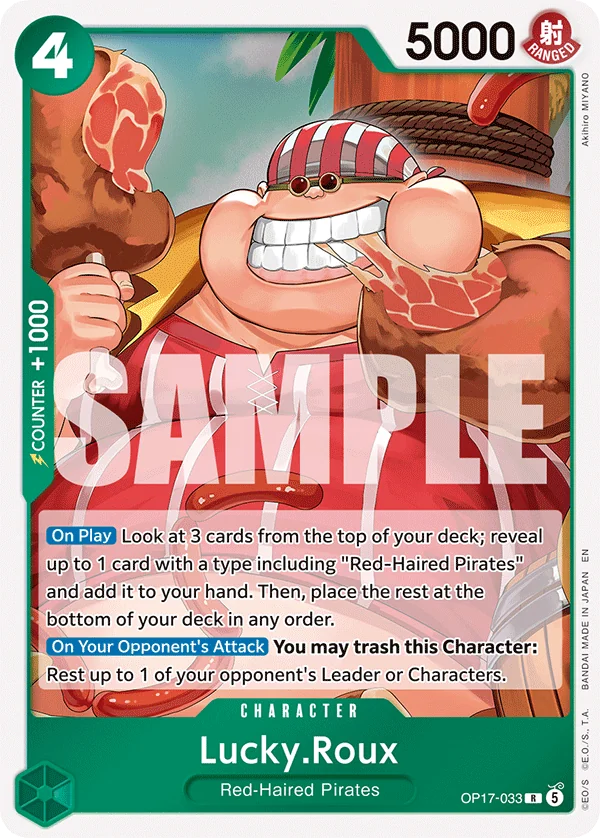 OP17-033OP17-033Shop on TCGplayer (OP17-033) as its Treasure Rare version. The release dates are past: Japanese retail August 22, English prerelease August 21, and English wide release August 28.
TL;DR: OP-17's lineup is complete: Whitebeard (Red), Luffy (Black), Shanks (Green), Kaido (Purple), Big Mom (Yellow), and Rocks D. Xebec (Blue). The English product's Treasure Rare is Edward Newgate, OP17-040, a Blue 6-cost, 8000-power Character with On Play draw 1 and a once-per-turn discard-for-+3000 leader effect in battle. Japan's Treasure Rare print is Lucky Roux, OP17-033. All relevant release dates have passed, so use current card lists and decklists rather than preview speculation.
Bandai's released card list confirms six leaders and their IDs: Edward Newgate 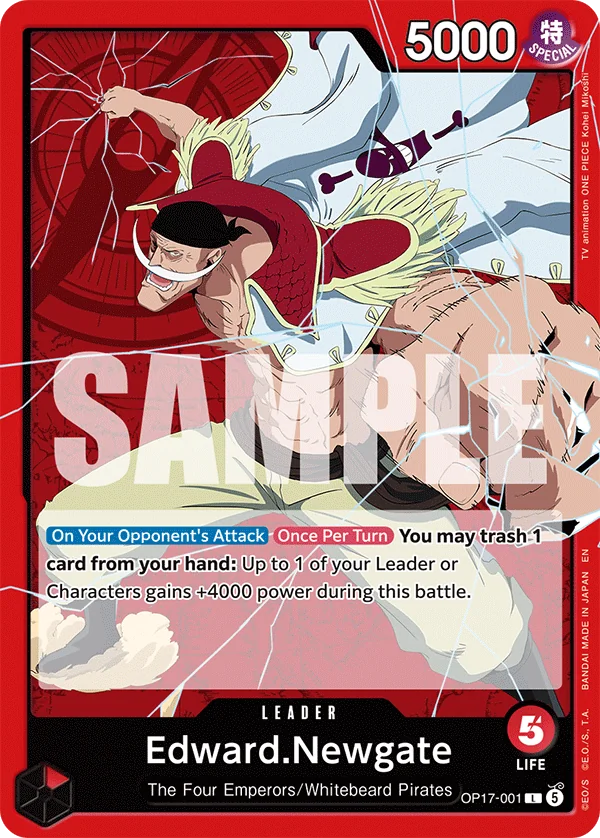 OP17-001OP17-001Shop on TCGplayer OP17-001 in Red, Shanks
 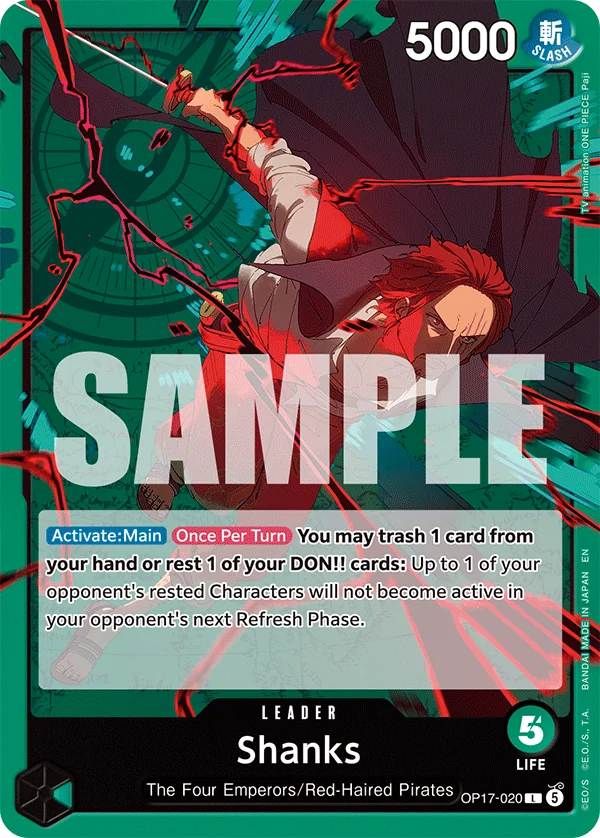 OP17-020OP17-020Shop on TCGplayer OP17-020 in Green, Rocks D. Xebec
 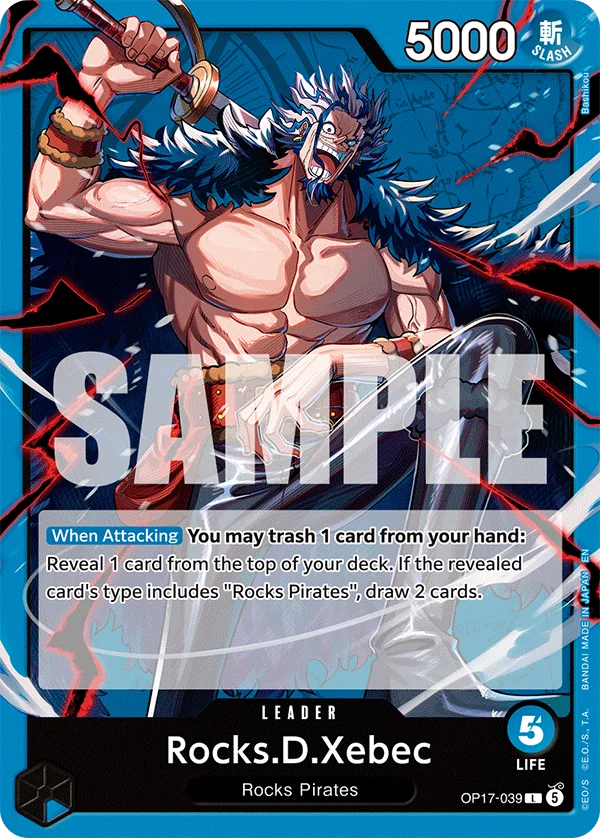 OP17-039OP17-039Shop on TCGplayer OP17-039 in Blue, Kaido
 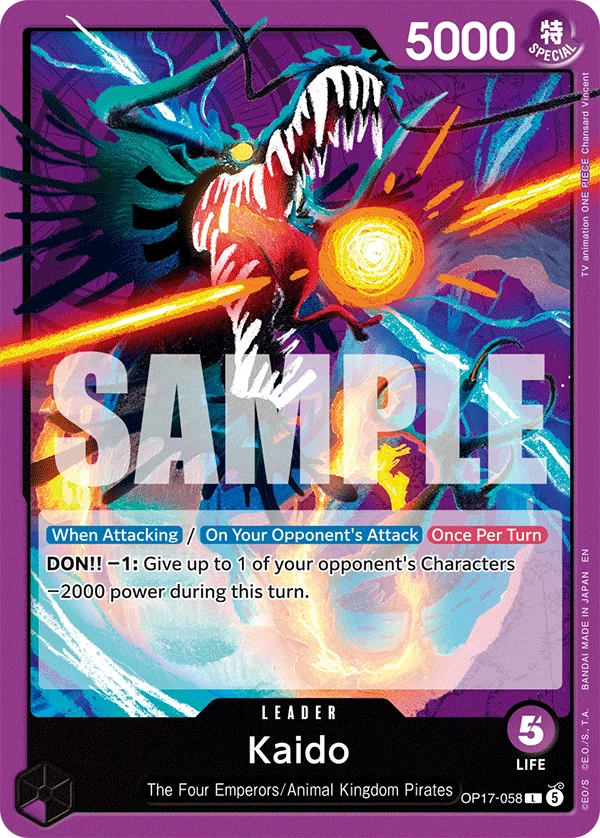 OP17-058OP17-058Shop on TCGplayer OP17-058 in Purple, Monkey D. Luffy
 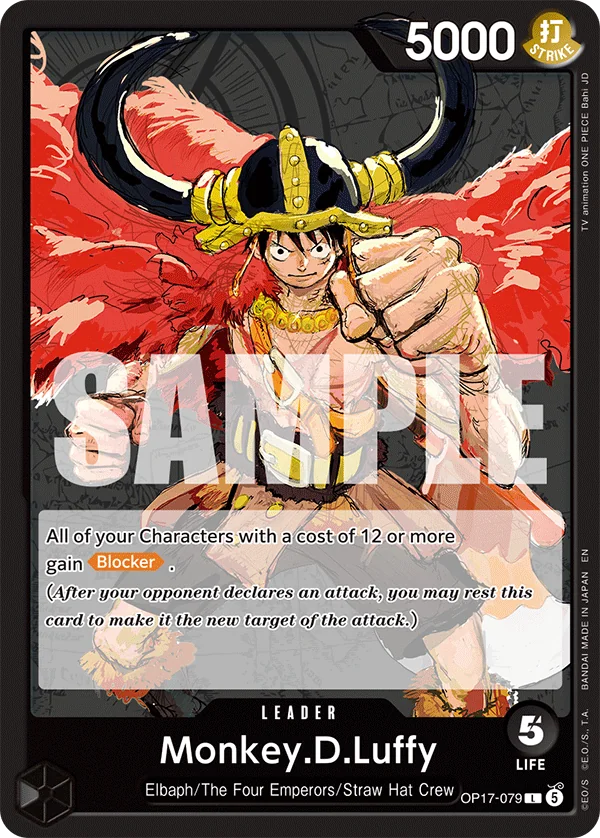 OP17-079OP17-079Shop on TCGplayer OP17-079 in Black, and Charlotte Linlin
 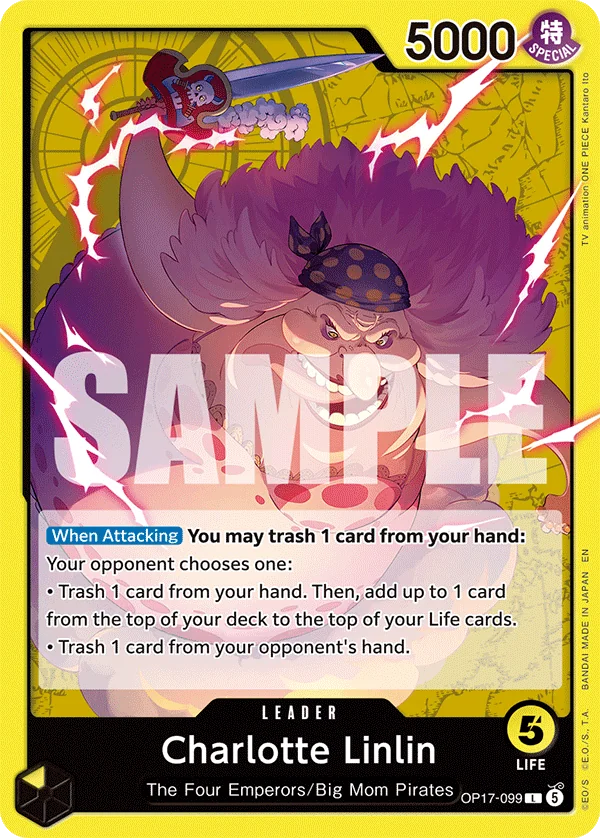 OP17-099OP17-099Shop on TCGplayer OP17-099 in Yellow. Xebec's printed leader effect is a When Attacking discard-and-reveal draw effect, not an On Play deployment effect.
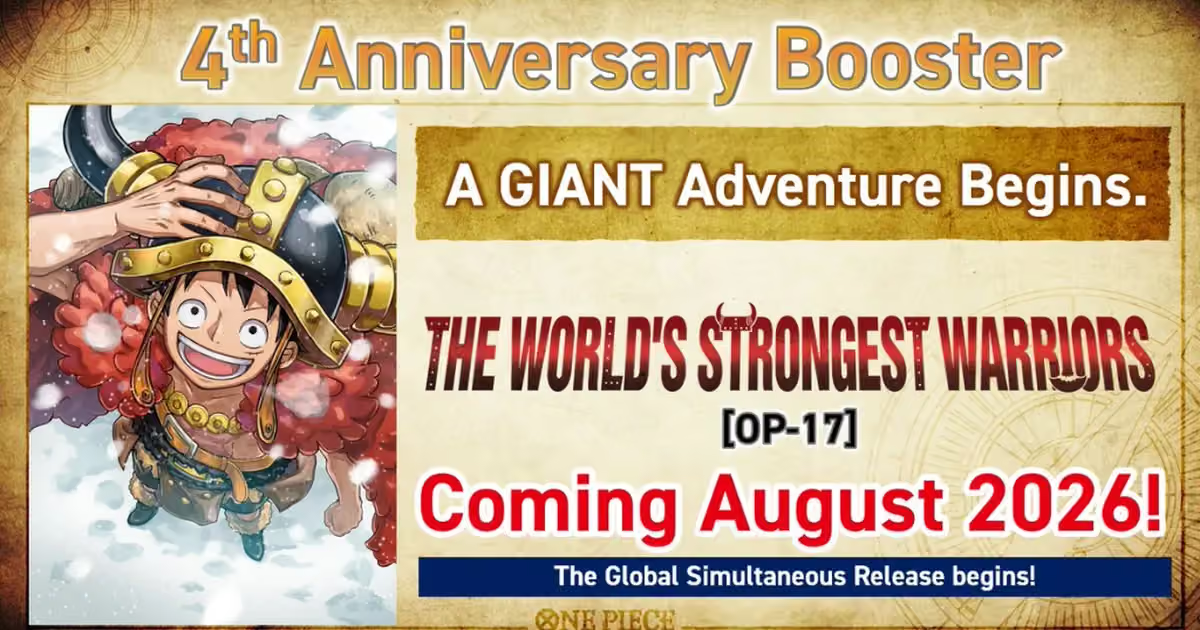
The set is the 4th Anniversary Booster Pack. Bandai framed the theme as "nostalgic returning leaders," which points toward characters who appeared in earlier sets but are getting new card versions with updated effects designed for the current card pool. That holds for five of the six: five of the most recognizable, longest-running names in the franchise. Xebec breaks the pattern deliberately, since he's never had a TCG card before, and his inclusion ties the set's Elbaf/Yonko theme together (Whitebeard, Kaido, and Big Mom all sailed under him in the Rocks Pirates).
The product details list one Treasure Rare and three Secret Rares. The English card list identifies OP17-040 as Edward Newgate, a Blue 6-cost, 8000-power Character in the Rocks Pirates type. Its On Play effect draws 1, and its once-per-turn effect can discard a card to give a qualifying Rocks Pirates leader +3000 during a battle. It is a non-leader Character, not a seventh leader.
Bandai's official OP-17 card list confirms all six leaders by name and color: Edward Newgate/Whitebeard (Red), Monkey D. Luffy (Black), Shanks (Green, card OP17-020), Kaido (Purple), Charlotte Linlin/Big Mom (Yellow), and Rocks D. Xebec (Blue, card OP17-039). The set is described as featuring "popular characters from earlier sets with updated abilities," and five of the six bear that out: five of the most recognizable names in the franchise, each already established across multiple prior sets. Note that card OP17-022 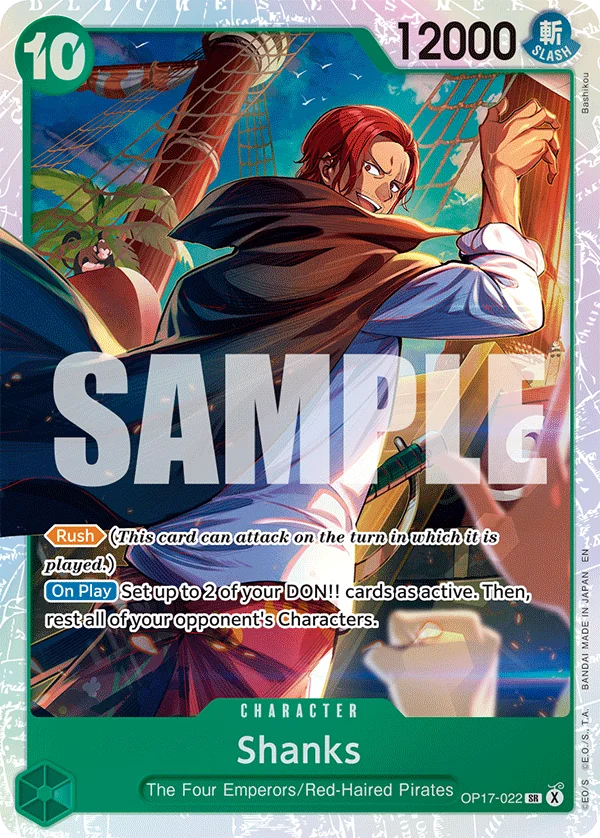 OP17-022OP17-022Shop on TCGplayer is not the Shanks leader; that number belongs to a separate Super Rare Shanks Character print, a 10-cost, 12000-power Rush card that sets up to 2 DON!! as active on play and rests all of the opponent's Characters.
The "updated abilities for the current card pool" framing rules out simple reprints for those five. These are redesigned versions of characters you recognize, built to interact with cards released since each character's original print. Think of how OP-16's Enel worked: a returning archetype with mechanics engineered for what's playable now, not what was strong in the original set. Expect the same treatment for Whitebeard, Luffy, Shanks, Kaido, and Big Mom.
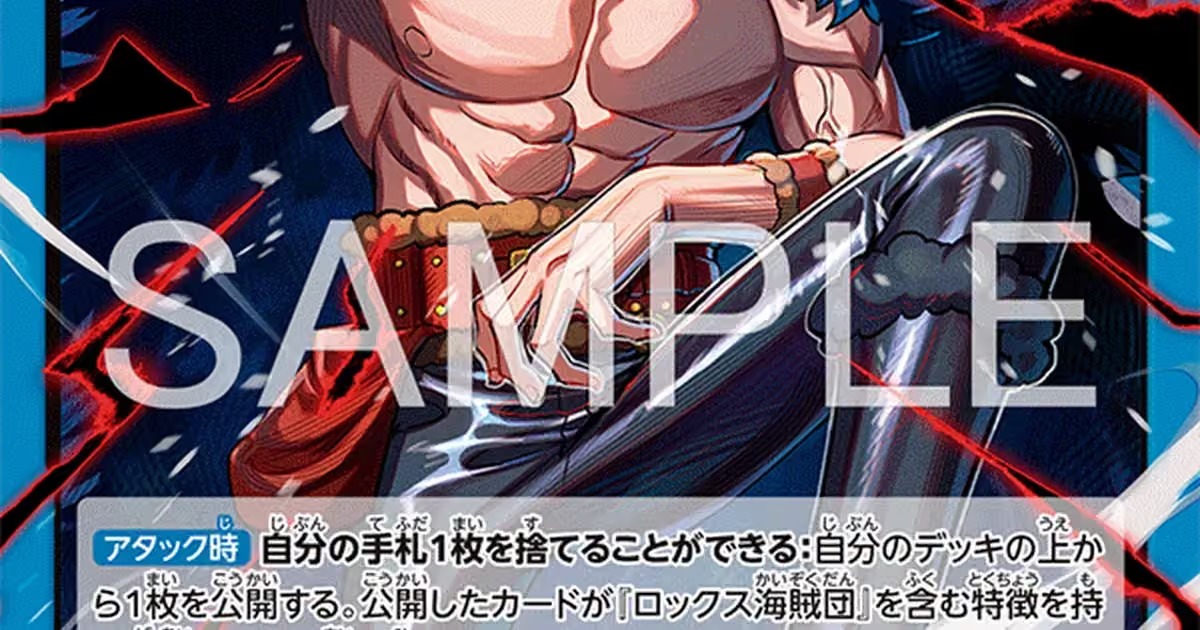
Xebec is the deliberate exception. He's the set's new Rocks Pirates leader rather than a returning leader, and his printed leader effect is built around finding that tribe: when he attacks, you may trash a card from hand to reveal the top card of your deck; if it has a Rocks Pirates type, you draw two cards. The set also contains a separate OP17-118 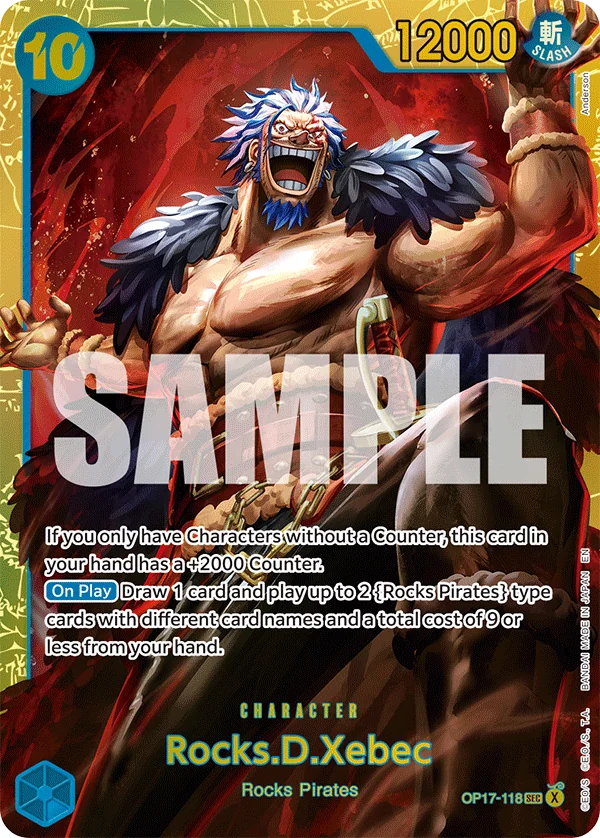 OP17-118OP17-118Shop on TCGplayer Xebec Character whose On Play effect draws 1 and plays up to two different Rocks Pirates cards from hand at total cost 9 or less. Do not confuse that Character effect with OP17-039's leader effect.
What this means practically for deck-building: with all six colors now spoken for by known characters, you can start reasoning about the full matchup spread. If a character's older card leaned into a specific mechanic, the OP-17 version is likely to modernize that identity rather than replace it outright, except for Xebec, who's an entirely new build-around.
GODEEPER: Full staggered release schedule, all 6 confirmed leaders, and the Treasure Rare breakdown. OP-17 Release Date Confirmed →
About the author
Competitive TCG Analyst
Competitive One Piece TCG player and deck builder with 3 years of tournament experience. Covers meta analysis, tier lists, and leader builds.
Keep reading

OP-17 OP-16 Format: What Changed After Launch in 2026
Guides · 10 min
OP-17 Pre-Order Guide: Buying Now That It Has Released
Guides · 13 min
OP-17 World's Strongest Warriors Set Guide for 2026
Guides · 9 min
OP-17 Preparation Guide: What Actually Mattered at Launch
Guides · 12 min
One Piece TCG Blue Deck Guide: Tempo and Draw 2026
Guides · 9 min
One Piece TCG Yellow Deck Guide: Trigger Power 2026
Guides · 9 min
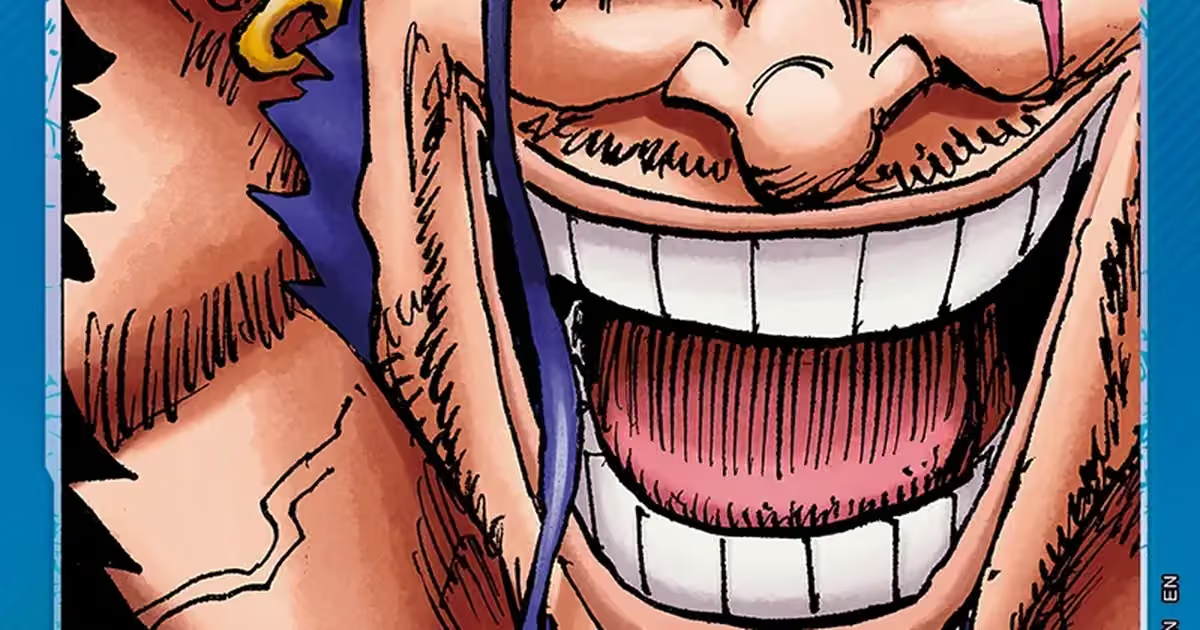
OP-17 Blue Leader Revealed: Rocks D. Xebec Confirmed
News · 7 min
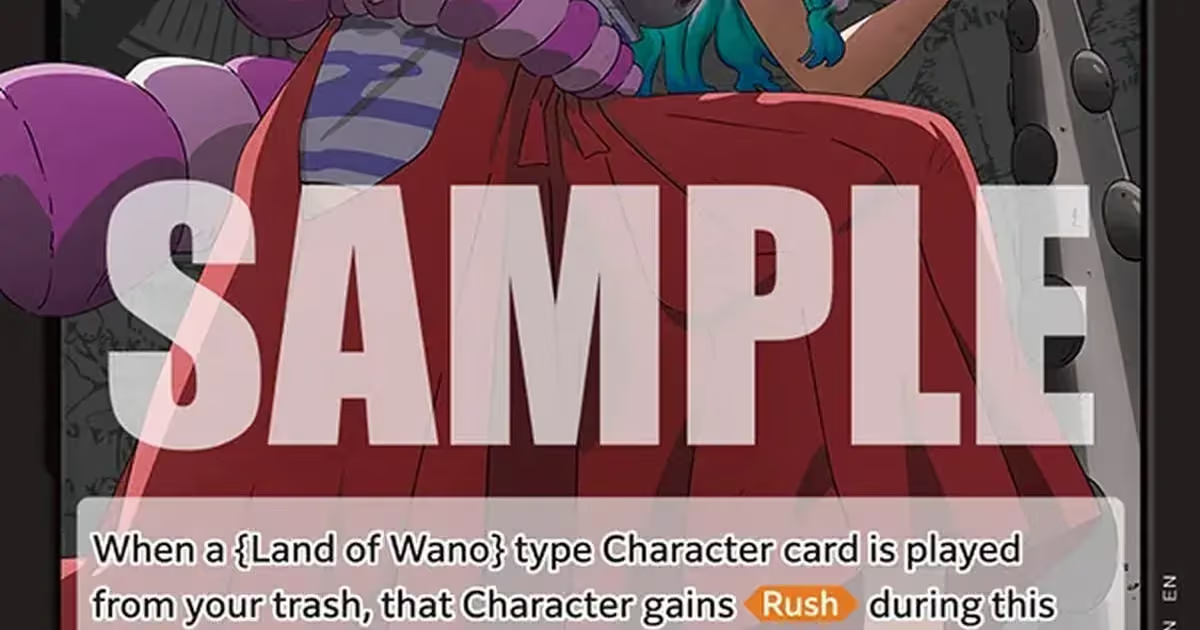
OP-16 One Month Meta Report: Complete 5-Week Breakdown
Guides · 10 min
Disclaimer
This article is published for informational and entertainment purposes. It does not constitute professional financial, legal, or technical advice. Game performance, online services, patch schedules, and store listings change. Verify critical details (pricing, system requirements, regional availability) with publishers and storefronts before you buy. Affiliate links, where present, help support our editorial work and are labelled in our affiliate disclosure.
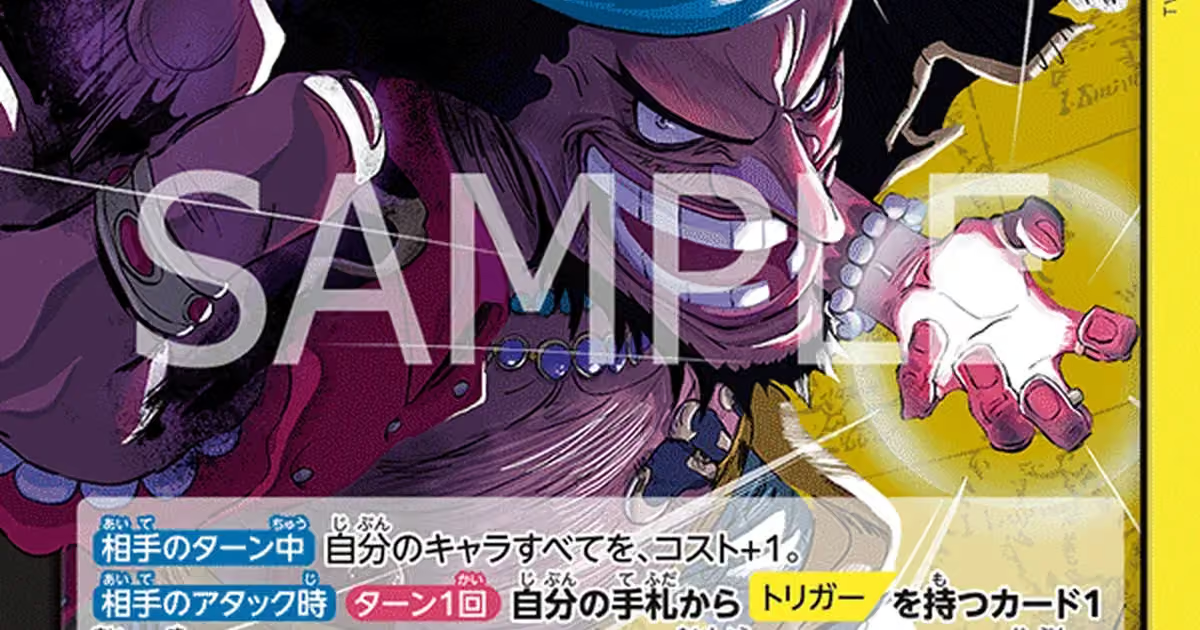
Charlotte Linlin/Big Mom leads Yellow, and her ability is confirmed now that the set has released: a When Attacking effect that trashes 1 card from hand to force a choice on the opponent, either they let her refill a Life card at the cost of a second hand card, or they lose a card straight from their own hand. The OP-17 Big Mom deck guide breaks down how that hand-disruption plan builds and why the opponent's choice always ends up costing them something.
The same level of detail now exists across the board: Whitebeard (Red) fits an aggressive Whitebeard Pirates shell, Luffy (Black) gives every Character you control with a cost of 12 or more the Blocker keyword, Shanks (Green) can keep an opponent's rested Character from becoming active, and Kaido (Purple) can spend a DON!! to give an opponent's Character -2000 power. The OP-17 Luffy deck guide works through the Blocker plan, and the OP-17 Xebec deck guide covers Blue's Rocks Pirates build in the same detail.
For a detailed breakdown of how the release timeline shaped competitive prep, the OP-17 and OP-16 crossover format analysis compares the transition and early post-release implications.
OP-17 is now legal in the current Standard pool after its English prerelease on August 21, Japanese release on August 22, and English wide release on August 28. The old OP-16 tier snapshot is historical, not a current OP-17 ranking. Limitless still labels its headline top-deck panel OP16, while post-release aggregators now contain OP17 lists, so do not mix those snapshots.
The practical question is now which of the six new leaders converts its printed effect into repeatable results. Early post-release decklists show dedicated Blue Rocks builds, among other OP17 shells, but local events, simulator events, and regional coverage do not yet provide one universal ranking. Treat any early tier placement as a dated snapshot.
What you can do now: compare each leader's printed requirements with current event decklists and the opponents you expect to face. The OP-16 complete guide remains useful as a historical baseline, but its July tier list should not be presented as the current OP17 meta.
The product structure is 10 Special Cards, 1 Treasure Rare, 6 Leaders, 3 Secret Rares, 10 Super Rares, 26 Rares, 30 Uncommons, 45 Commons, and 4 DON!! cards. If OP17 pieces support older archetypes, hybrid builds can still appear, but the printed card pool and live decklists are better evidence than preview expectations.
The Treasure Rare is the highest rarity listed in OP17's product structure, and the English print is confirmed as Edward Newgate (Whitebeard), card OP17-040, a Blue 6-cost, 8000-power Character with an On Play effect that draws 1 card, plus a Once Per Turn effect that boosts a Rocks Pirates-type Leader's power in battle. It's a non-leader Character, not a leader slot.
For deck-building purposes, OP17-040 is a six-cost Blue 8000-power Rocks Pirates Character. Its On Play draw is a modest hand refill, and its once-per-turn effect can give a qualifying Rocks Pirates leader +3000 in battle after you discard a card. That makes it most directly relevant to Blue Rocks shells, not generic Black shells.
SHOP: Evaluating OP-17 leaders for a deck? Compare current OP-17 listings for the leader shell you want to test. Shop TCGplayer →
OP-16 offers a reference point: the Admiral Manga Rares (Akainu, Kizaru, Aokiji) were among the most mechanically significant cards in the set, not just the most collectible. Whether Edward Newgate becomes genuinely impactful in play, rather than staying primarily a collector's card, should be judged from current Blue Rocks decklists and event results.
At the September 16 audit snapshot, live Limitless-linked references put the OP17-040 Treasure Rare around $45 and the OP17-079 manga or Super Leader Parallel around $1,800. The base OP17-118 and OP17-119 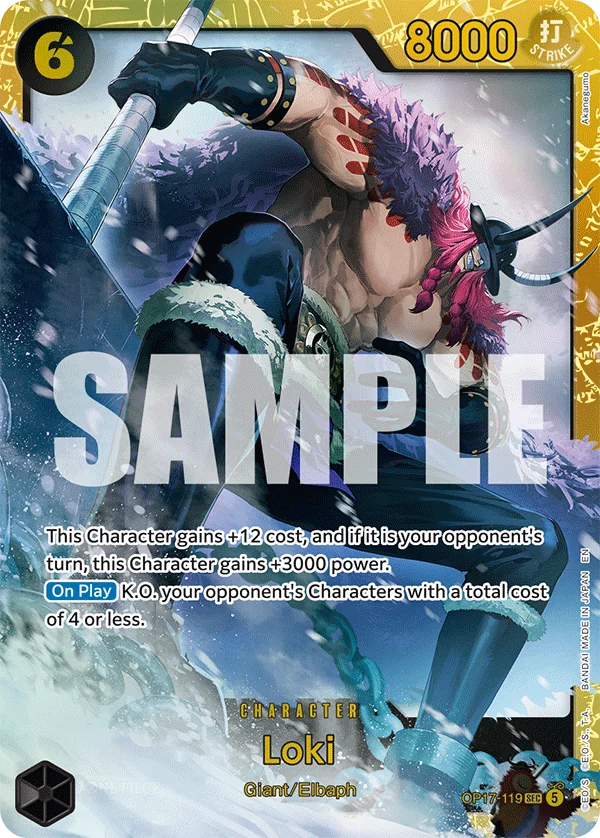 OP17-119OP17-119Shop on TCGplayer Secret Rare references were around $18 and $29. These are moving listing references, not guaranteed completed-sale prices, so use the linked pages before making a buying decision. The full chase-card ranking can provide the wider comparison.
GODEEPER: How the Treasure Rare tier works and what it's actually worth now that real market data exists. OP-17 Treasure Rare Revealed: Edward Newgate Is the Card →
Timing your OP-17 single purchases is a different decision for competitive players versus collectors, even now that the set has released.
Competitive players: OP-17 has now been available long enough for early post-release decklists to matter. Compare current listings with the leader and shell you actually plan to play instead of following a blanket two-to-four-week rule; tournament coverage and prices can still move.
Collectors: OP-17 is already available, so compare sealed product with singles for the exact parallel or character you want. The OP-17 spoilers tracker is useful for the full confirmed card list, while the OP-17 pre-order guide is a historical retail reference rather than a current pre-order recommendation.
The reveal and launch windows are past. Do not price OP17-040 from a forecast of an immediate spike or a later six-to-eight-week run; compare its live listing with current decklist demand. The OP-17 final predictions piece is useful only as a dated pre-release forecast.
Earlier launch-week distribution reports explain why early stock varied between retailers, but a reseller screenshot is not a reliable measure of the current market. For a specific leader or parallel, use current listings and local stock checks rather than assuming one store's allocation represents the whole supply.
How many leaders are in OP-17? OP-17 has 6 leaders total, and all 6 are now officially confirmed: Edward Newgate/Whitebeard (Red), Monkey D. Luffy (Black), Shanks (Green), Kaido (Purple), Charlotte Linlin/Big Mom (Yellow), and Rocks D. Xebec (Blue, confirmed August 3, 2026).
Which characters are confirmed as OP-17 leaders? All six OP-17 leaders are officially confirmed: Edward Newgate/Whitebeard leads Red, Monkey D. Luffy leads Black, Shanks leads Green (card OP17-020), Kaido leads Purple, Charlotte Linlin/Big Mom leads Yellow, and Rocks D. Xebec leads Blue (card OP17-039).
When should I buy OP-17 singles vs boxes? With OP-17 already released in English, compare current singles prices and post-release decklists instead of applying a fixed wait rule. Sealed product is for collectors or limited play, while singles are more direct when you need a specific card.
Will OP-17 leaders work in OP-16 format? Yes. OP-17 and OP-16 cards can appear together in the current Standard pool after the OP17 prerelease and release dates. No OP17 release-time rotation removed OP16 leaders, but event rules can differ, so check the specific legality list before registering.
What is the Treasure Rare and does it affect deck building? Treasure Rare is a rarity above Secret Rare in OP17's product structure. The English OP17 card list identifies OP17-040 Edward Newgate as a blue 6-cost, 8000-power Character with On Play draw 1 and a once-per-turn +3000 leader effect. The Japanese card list identifies OP17-033 Lucky Roux as its Treasure Rare version. Check live listings before treating either as the set's most expensive card.
What is Rocks D. Xebec's deck potential in OP-17? OP17-039's When Attacking effect lets you discard 1 card, reveal the top card, and draw 2 if it has a Rocks Pirates type. The separate OP17-118 Character is the card with the On Play draw-and-deploy effect. Current decklist aggregators show dedicated Blue Rocks builds, but early results remain a dated snapshot.
How does OP-17's staggered release affect deck-building preparation? The dates were not simultaneous: English prerelease August 21, Japan retail August 22, and English wide release August 28. With those dates past, current decklists can be compared across regions, but tournament coverage and format labels still vary by event.
Related
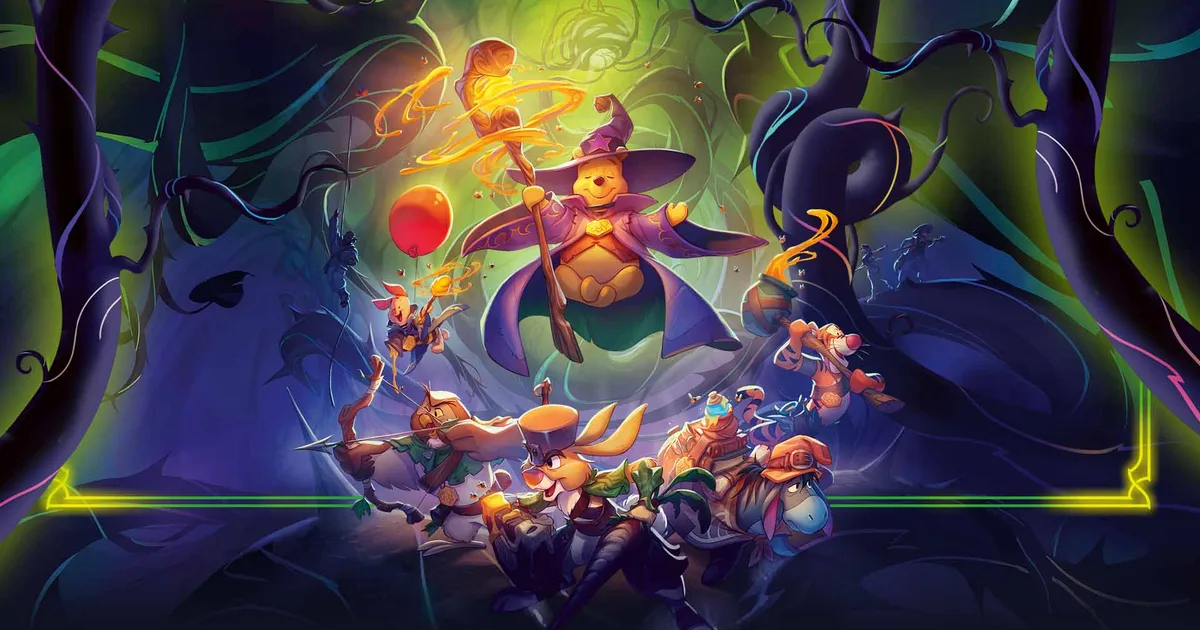
Lorcana Great Hunny Rescue: Contents and Release Date
6 min read
Union Arena Re:ZERO and Attack on Titan Vol.2 Tier List
12 min read
Union Arena Mikasa Deck Guide: Red AoT Vol.2 Build 2026
14 min read
Union Arena Re:ZERO Ram Deck Guide: Yellow Build 2026
12 min read
Union Arena Attack on Titan Eren Deck Guide: Red Vol.2
22 min read

